KINGREAL STEEL SLITTER is glad to share with you about the results of our work, company news, and give you timely developments and personnel appointment and removal conditions. The following is the progress of KINGREAL STEEL SLITTER's various projects in 2025.
In 2025, KINGREAL STEEL SLITTER continued its global expansion, with multiple projects progressing smoothly. Through continuous technological innovation and excellent customer service, KINGREAL STEEL SLITTER continued to achieve new breakthroughs in the international market.
2025 Metal Slitting Machine Project
2025 Metal Cut to Length Line Project
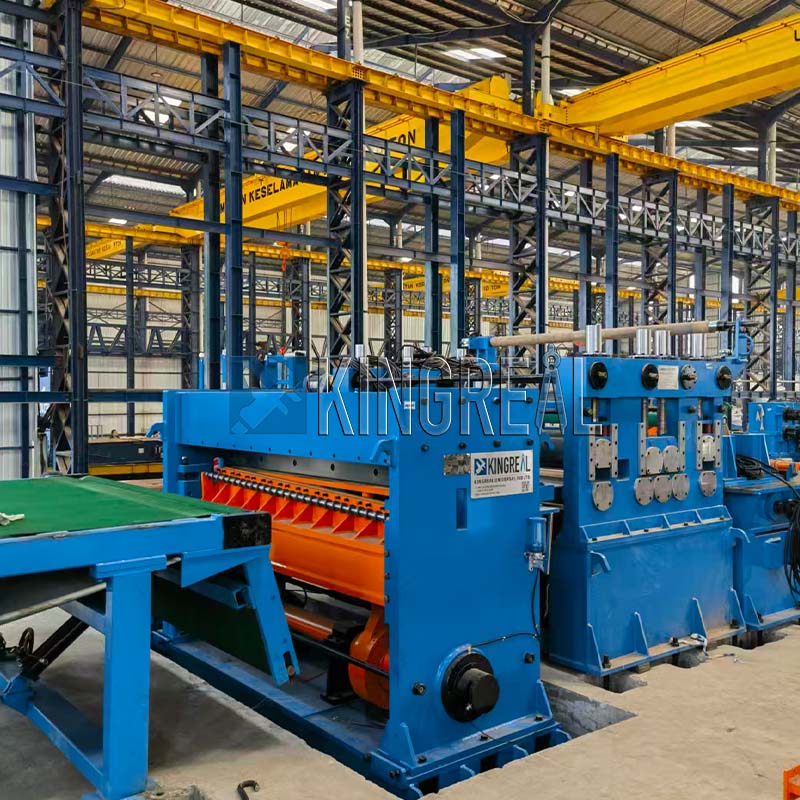
2025 Steel Perforated Machine Project
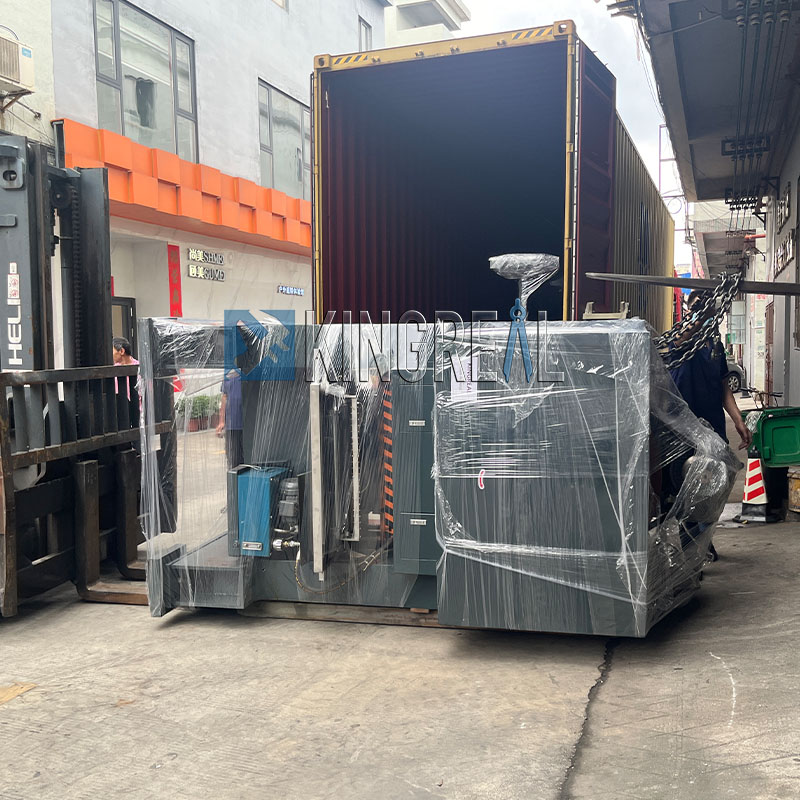
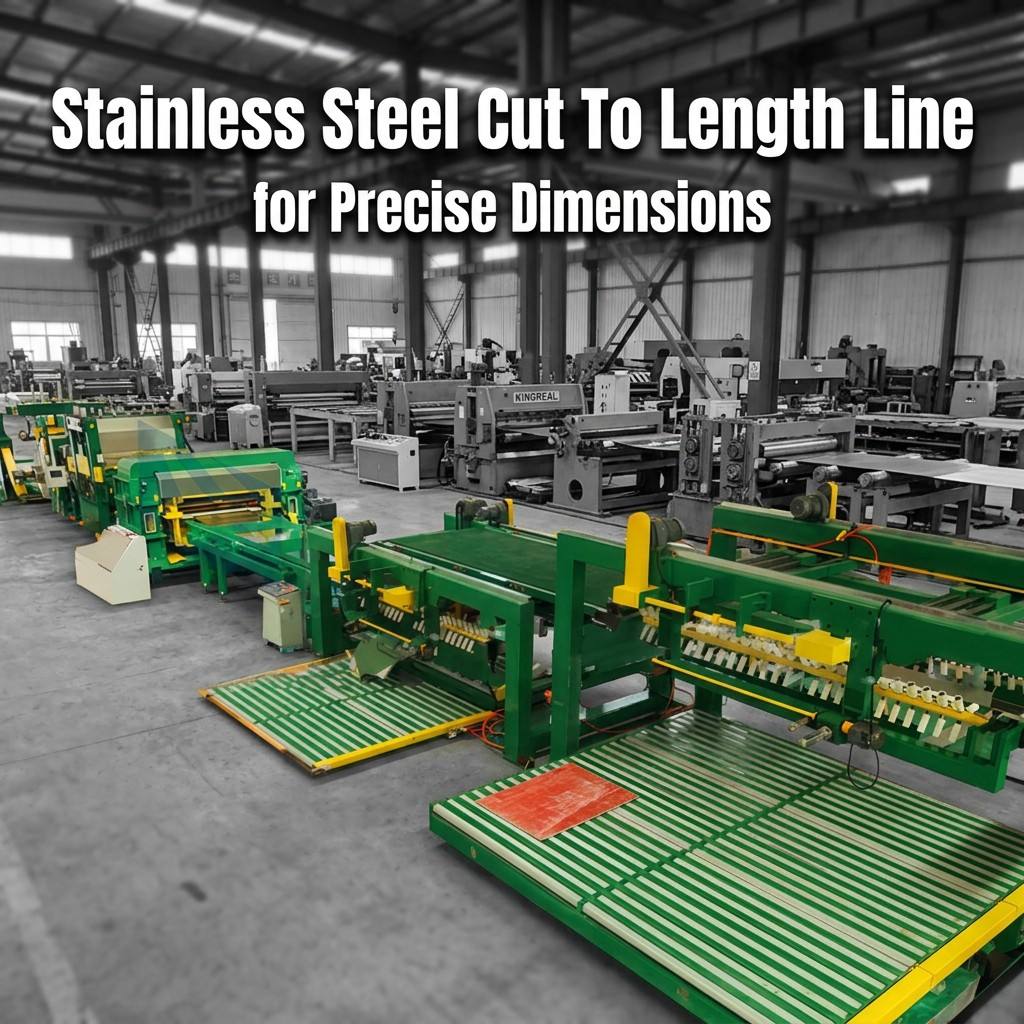
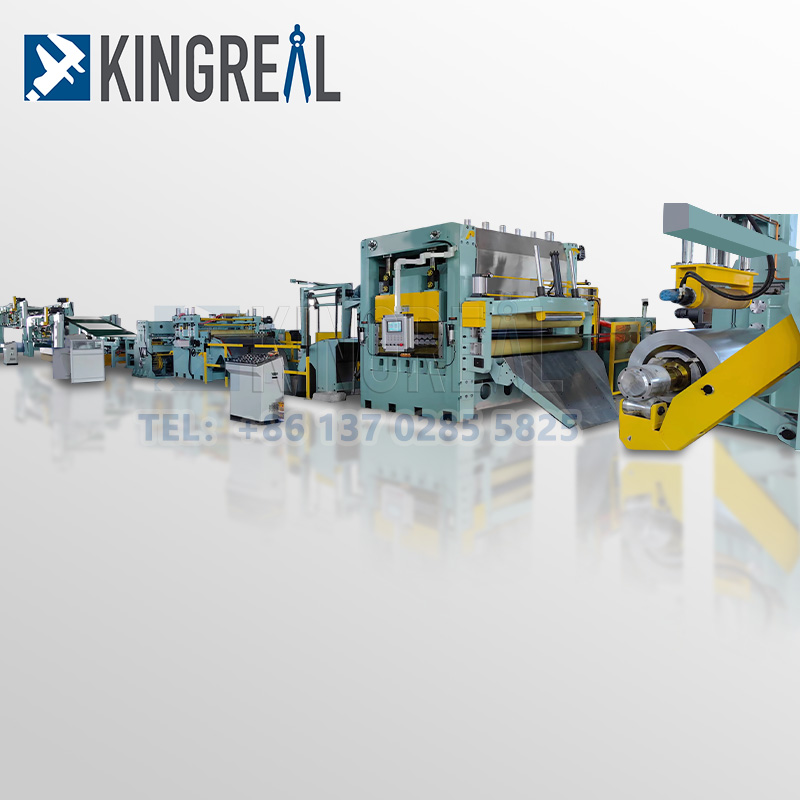
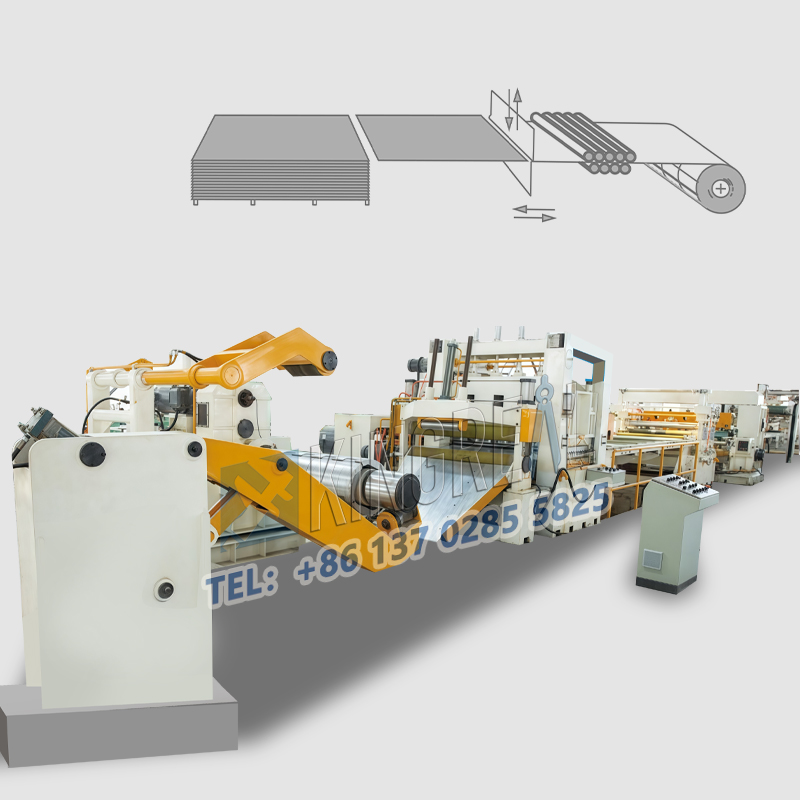
In the metal processing industry, stainless steel cut to length lines integrate uncoiling, leveling, shearing, conveying, and stacking processes for stainless steel coils of varying thicknesses and widths. They transform raw coils into high-precision sheets in shapes such as rectangles, parallelograms, and trapezoids.
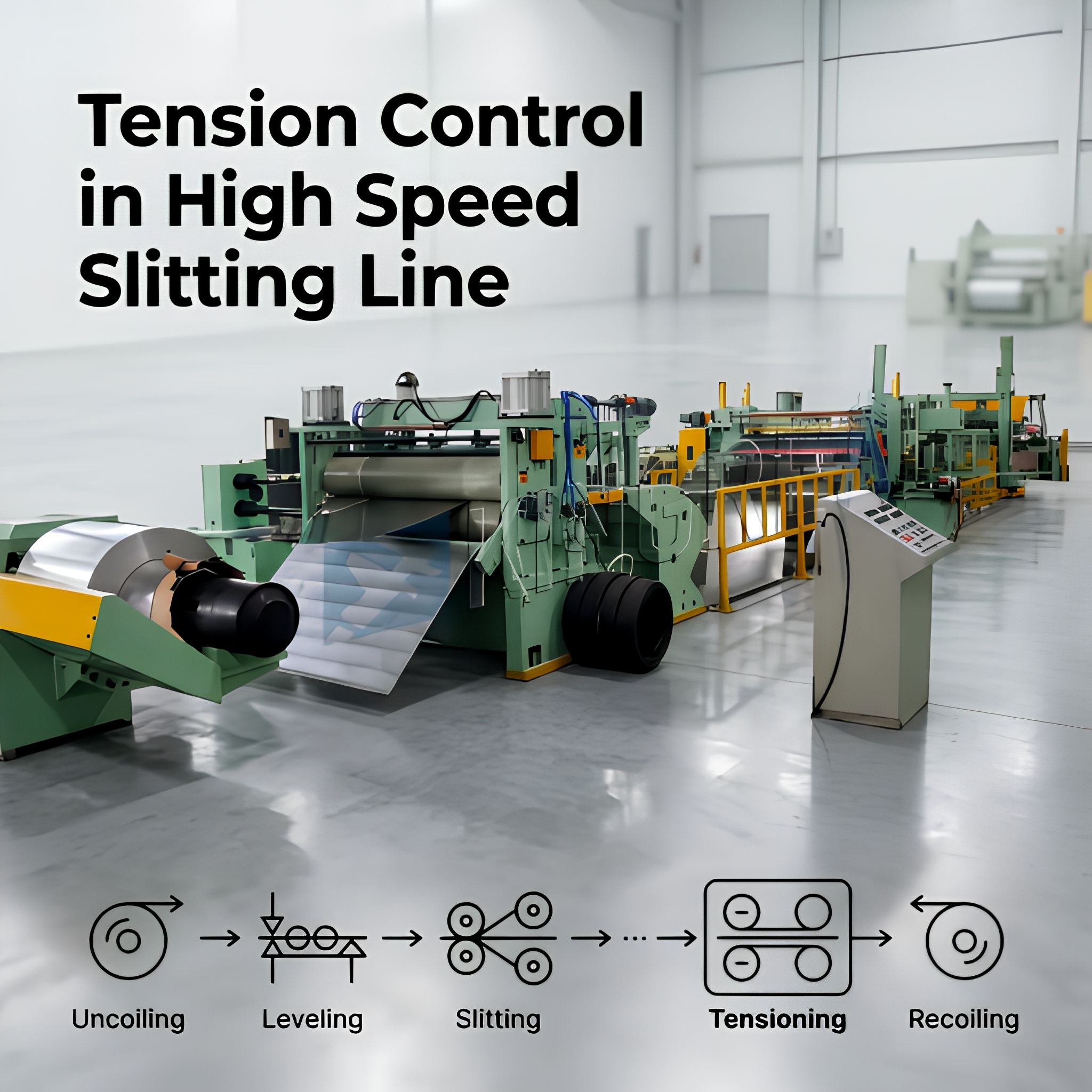
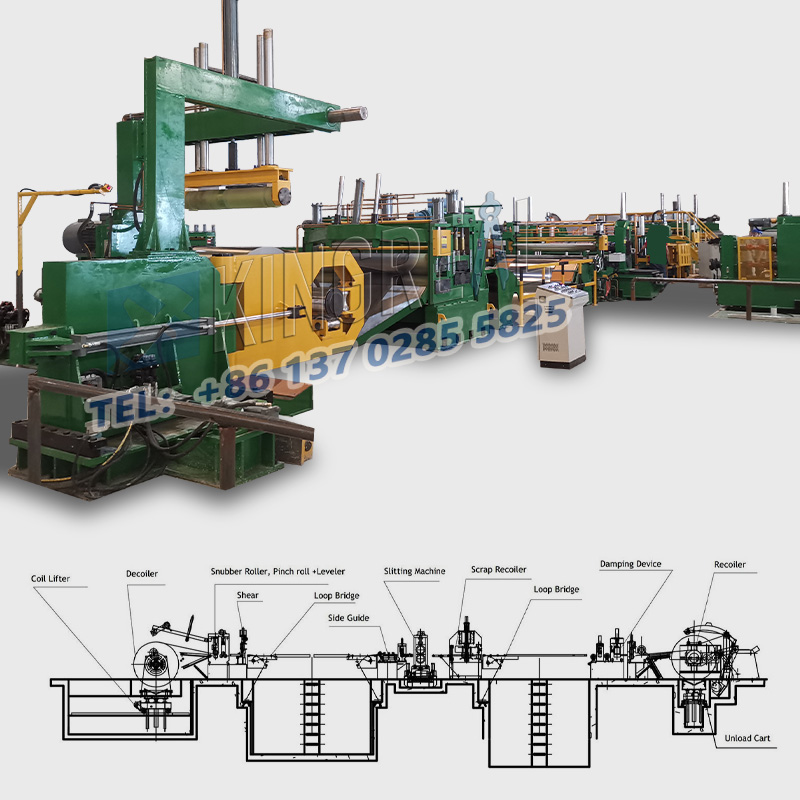
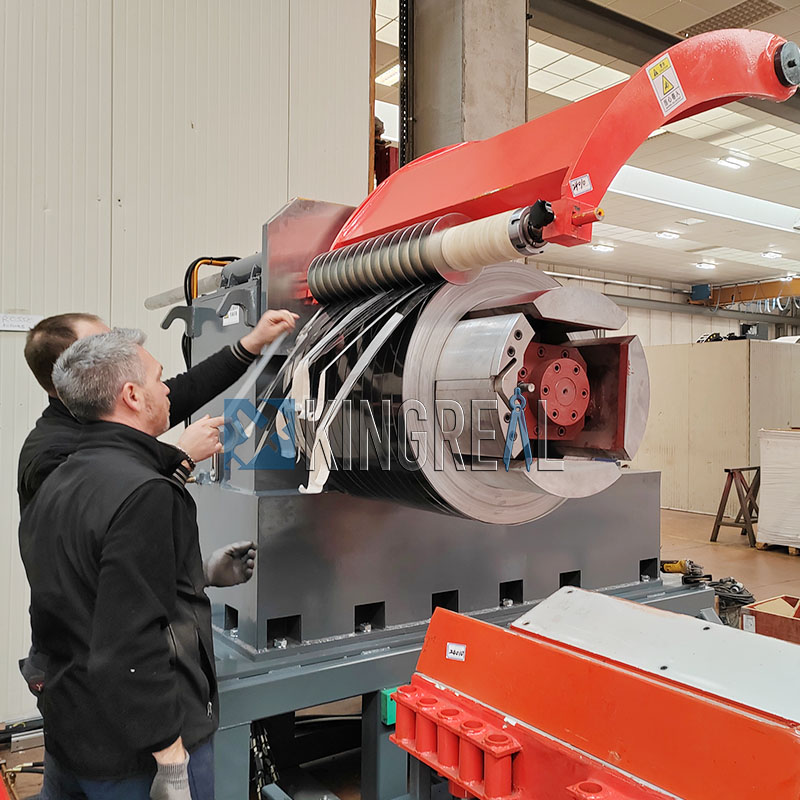
In the metal processing industry, high speed slitting lines enable the precise longitudinal cutting of strip materials and are widely used for the fine processing of various metal coils, such as steel sheets, aluminum sheets, and stainless steel strips. Compared to standard metal coil slitting machines, high speed coil slitting machines can reach operating speeds of up to 230 m/min.
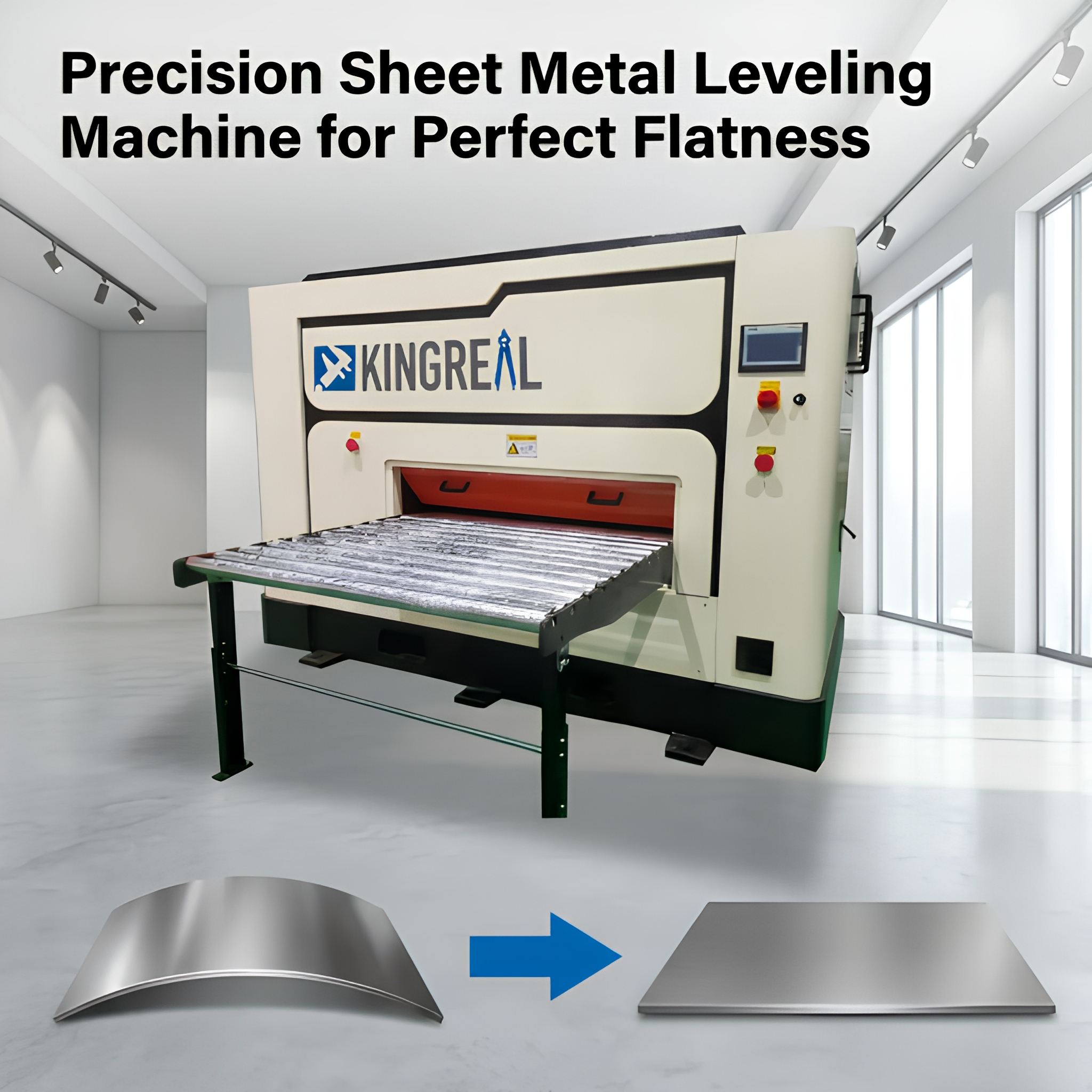
The leveling performance of a precision sheet metal leveling machine directly impacts downstream processing precision, assembly fit, and the final product's functional performance and service life. Current industrial manufacturing standards for sheet quality are increasingly stringent. Across sectors ranging from precision automotive components, high-end architectural decorative materials, and hardware products to consumer electronics casings and telecommunications equipment accessories, there is a unified, high-standard requirement for metal sheet flatness and dimensional stability. To meet industry demands for high-precision leveling, KINGREAL STEEL SLITTER has developed and designed a metal sheet leveling machine. This precision sheet metal leveling machine effectively resolves various leveling challenges, comprehensively satisfying customer requirements for achieving perfectly flat sheets.
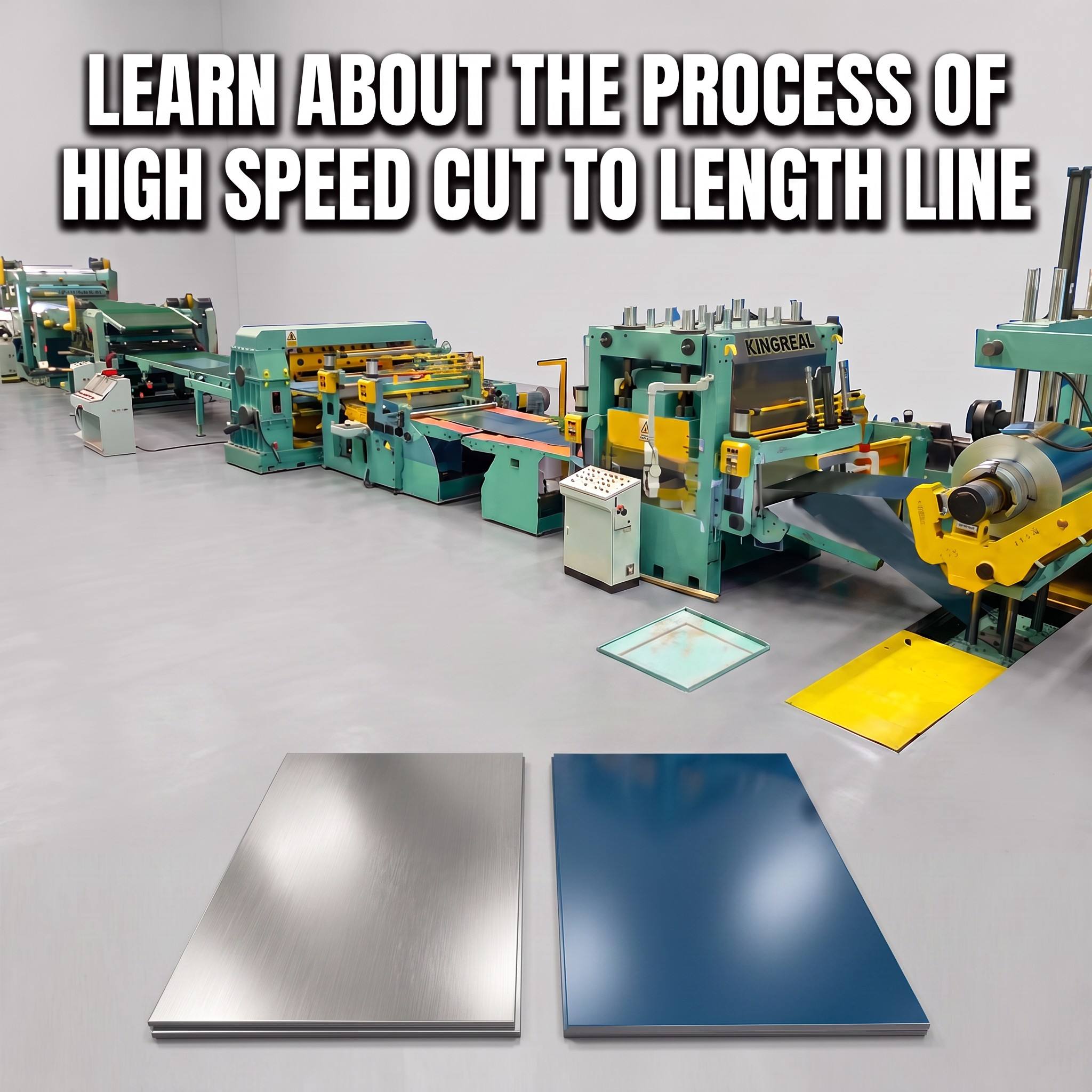
In the sheet metal processing industry, high speed cut to length lines enhance productivity and reduce costs through their efficiency, precision, and automation, making them suitable for sectors such as modern sheet metal fabrication, steel structure manufacturing, and hardware production. A high speed cut to length machine can achieve processing speeds of up to 80 m/min, handling the entire workflow—from uncoiling large metal rolls and leveling to precision shearing and automatic stacking—in a single, integrated process. Furthermore, these high speed cut to length lines offer exceptional versatility, accommodating a wide range of materials such as steel, stainless steel, aluminum, galvanized sheet, cold-rolled sheet, and copper, thereby covering the vast majority of small-to-medium-scale metal processing applications.
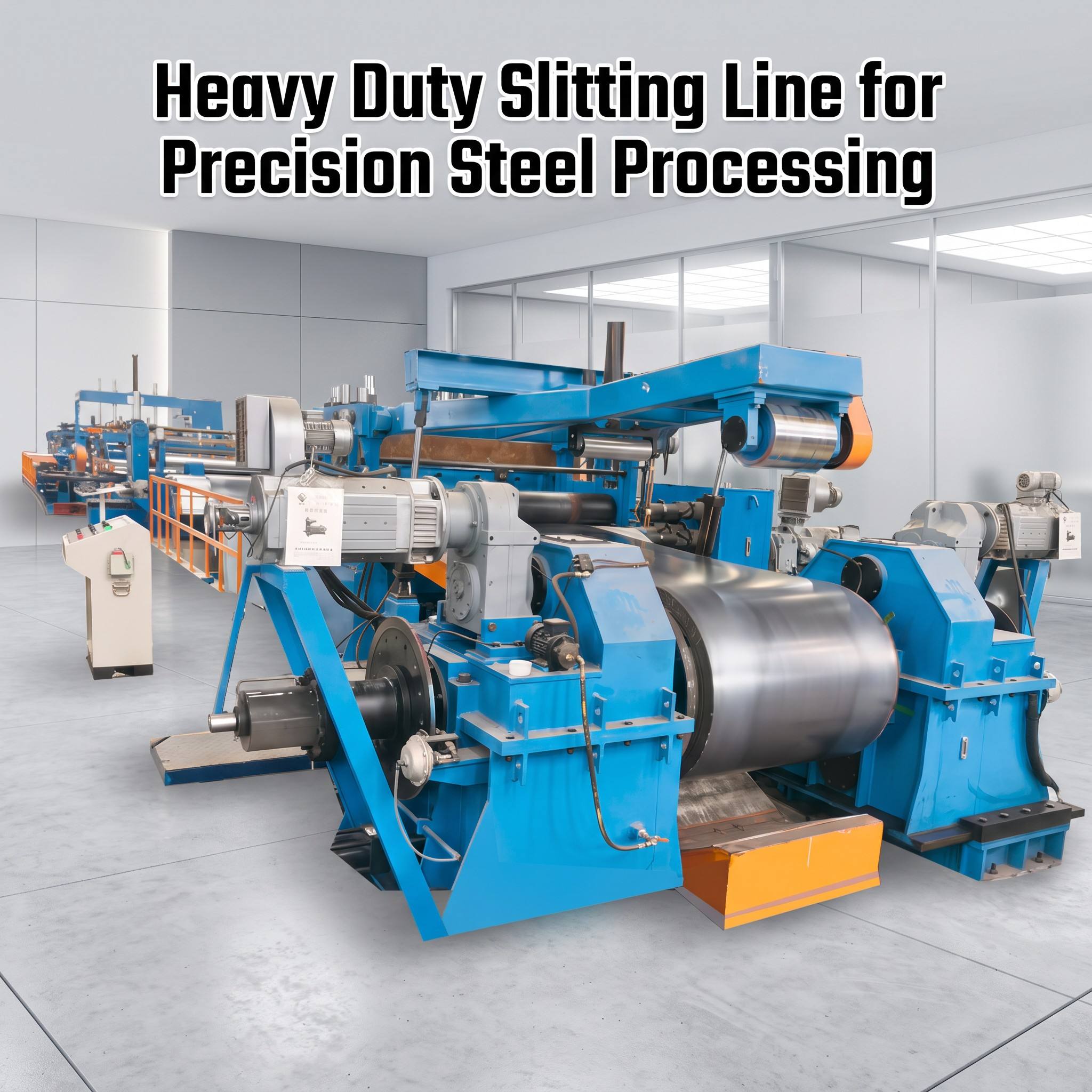
KINGREAL STEEL SLITTER has independently developed and designed a heavy duty slitting line capable of reliably performing precise slitting on steel materials ranging from 6mm to 16mm in thickness, enabling standardized, high-precision processing. The application of this high-performance heavy gauge slitting line ensures quality control at the source, directly determining the forming quality, processing costs, and market competitiveness of downstream heavy industrial products.
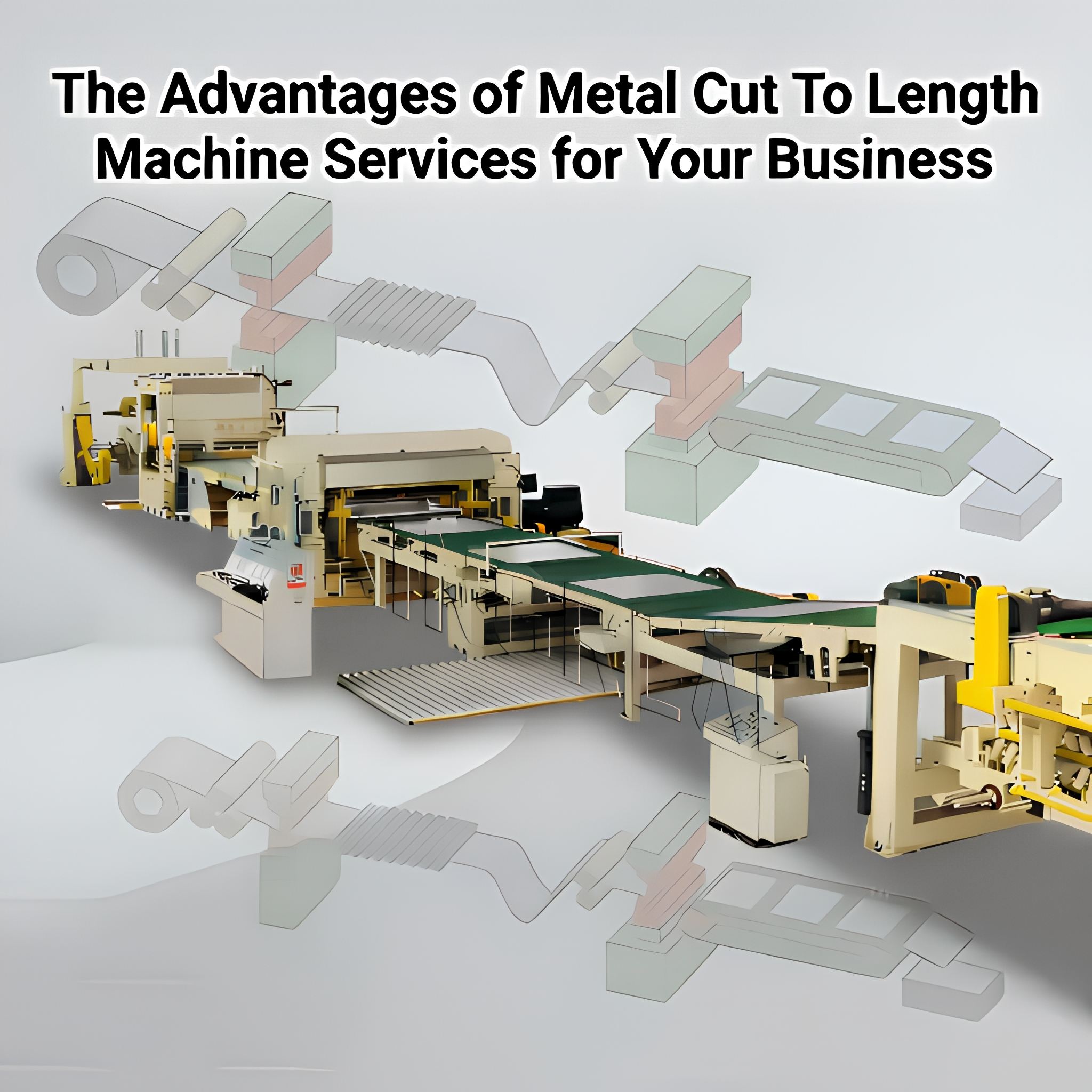
Automated metal cut to length machines have emerged as the optimal solution for metal processing plants seeking to reduce costs, increase efficiency, improve quality, and expand production capacity. Professional metal cut to length lines comprehensively optimize the sheet cutting workflow, effectively boosting overall plant capacity and enabling enterprises to precisely control production costs and maximize profits.