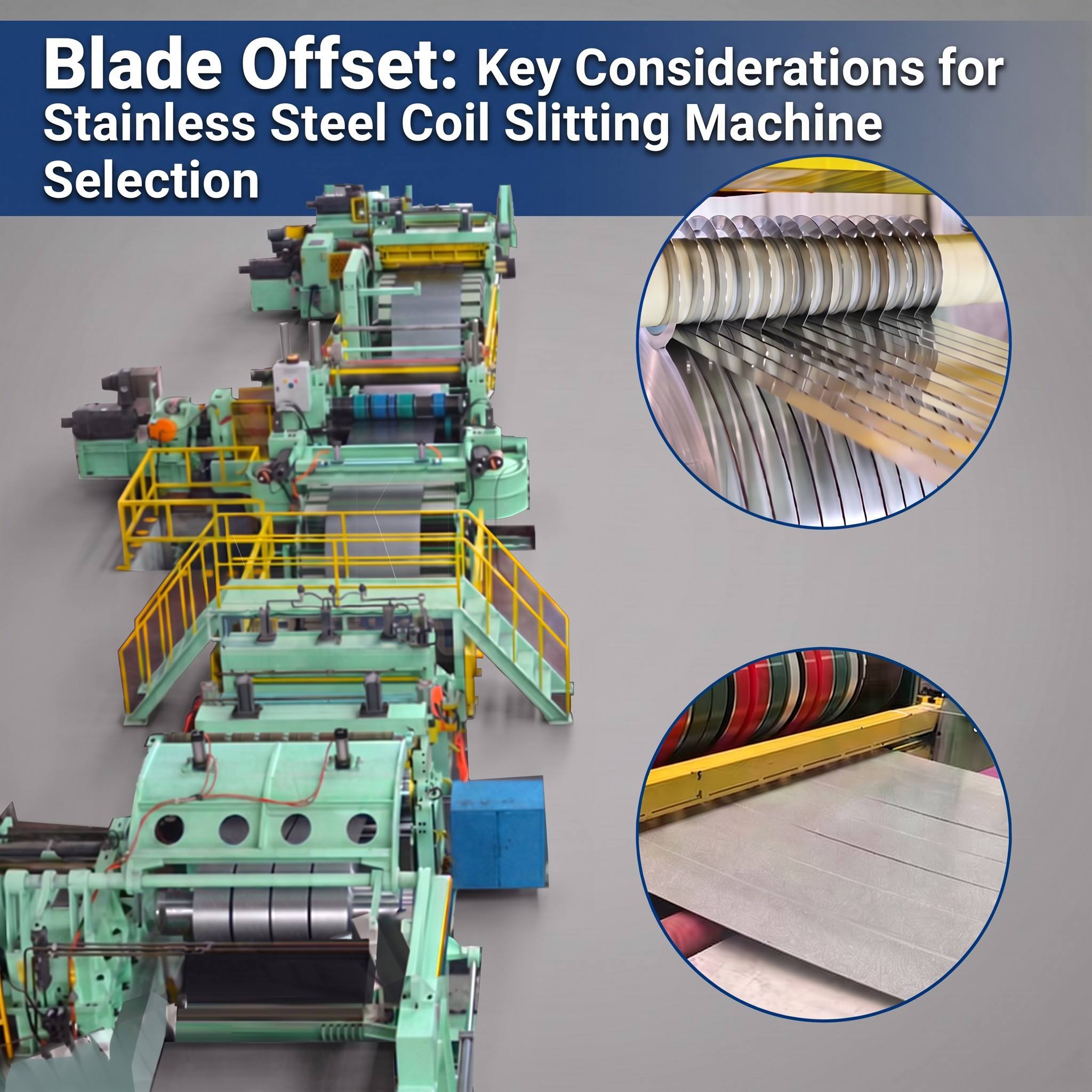
This essay examines how blade offset affects the operational performance of a stainless steel coil slitting machine and offers a selection guide based on technical logic to guarantee you pick a really robust and dependable stainless steel coil slitting line.
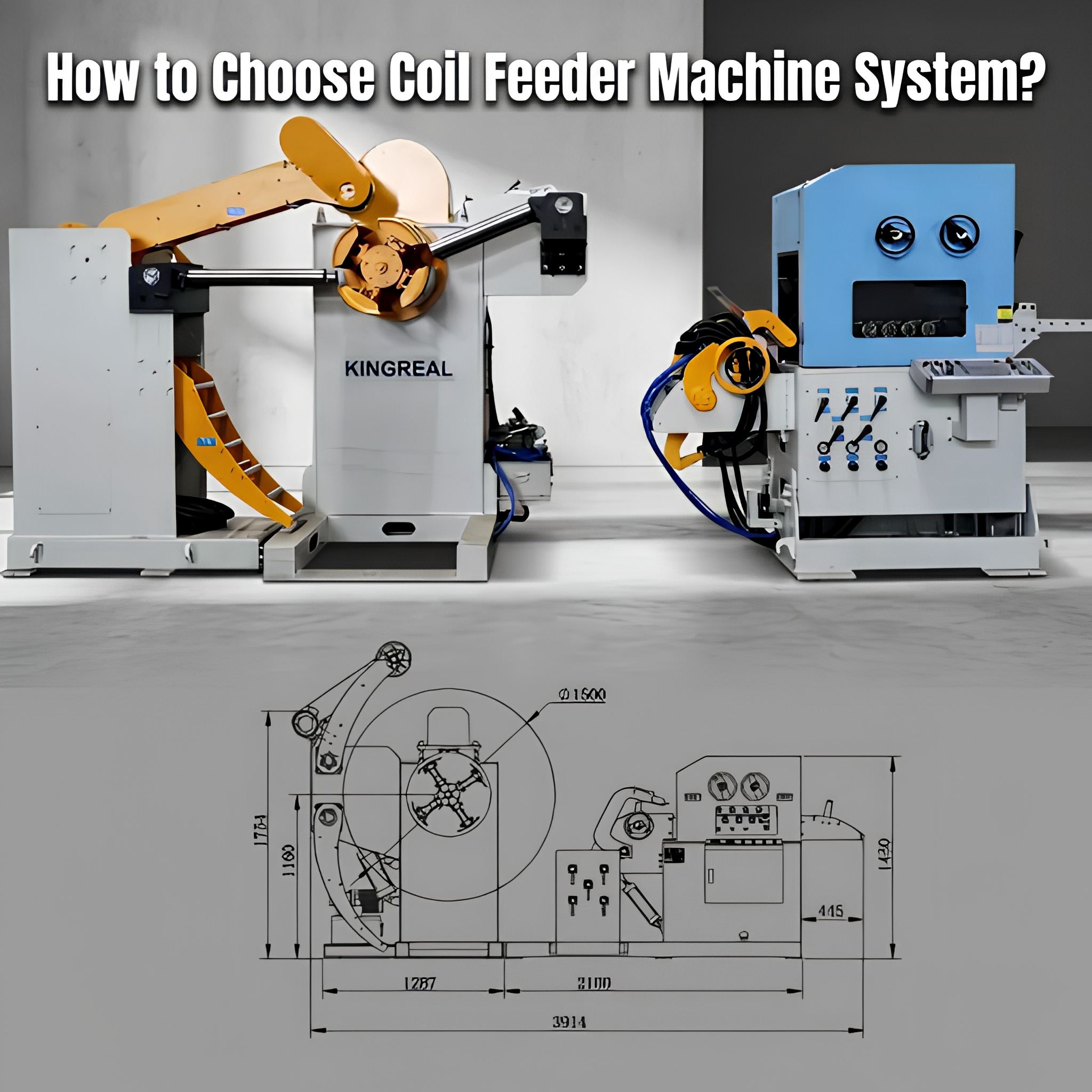
In the metalworking industry, a coil feeder machine system serves as the core infrastructure for achieving automated production. Such a coil feed system typically integrates three primary functional modules: a decoiler, a straightener, and a feeder. Its main purpose is to uncoil metal coils, flatten the material to relieve internal stress, and feed it into downstream production lines with precise, consistent, and pre-set step increments. When selecting an appropriate coil feeder machine system, companies must carefully evaluate key technical specifications, including coil weight, OD, ID, material width, thickness range, feed step length, required line speed, feeding precision, and the specific type of material being processed.
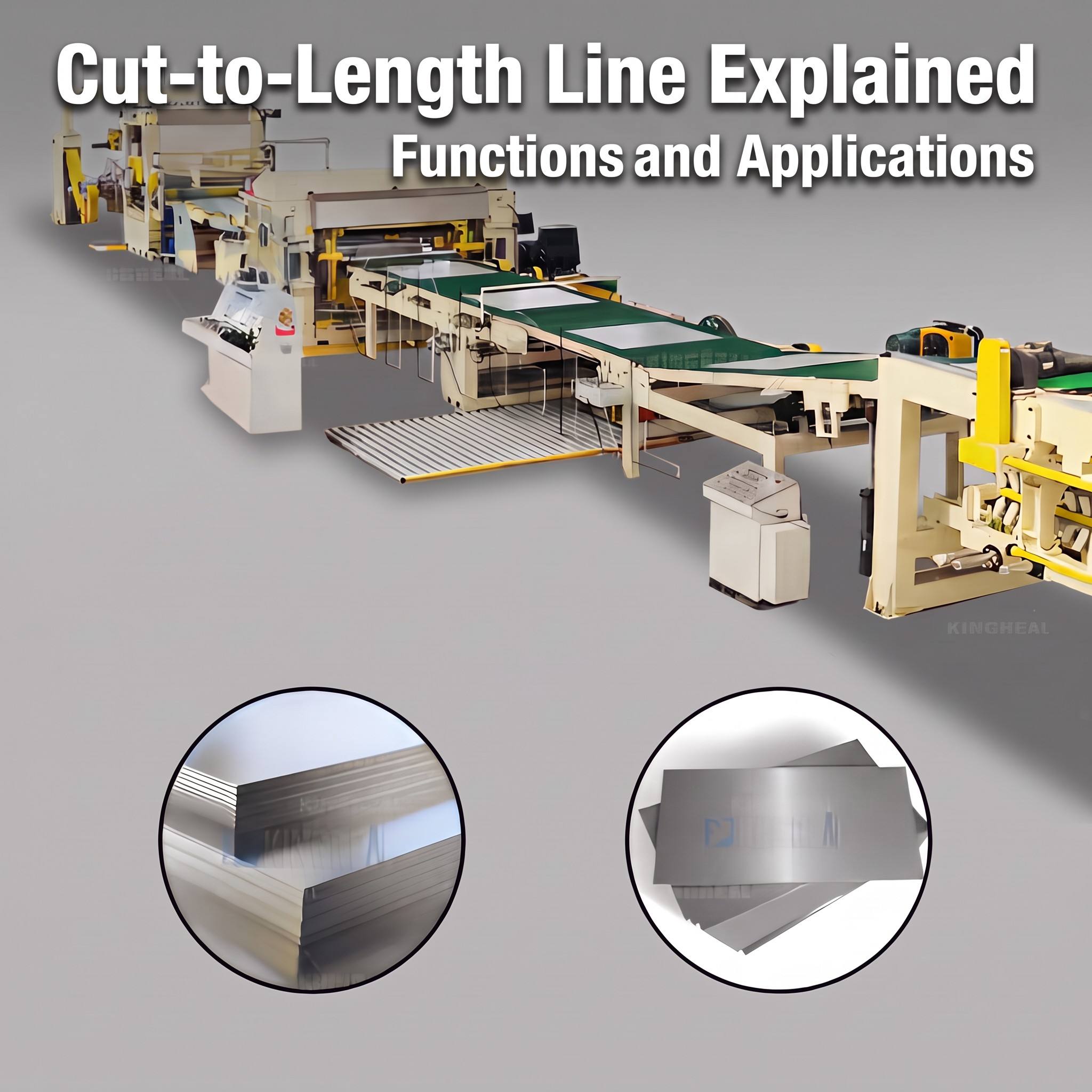
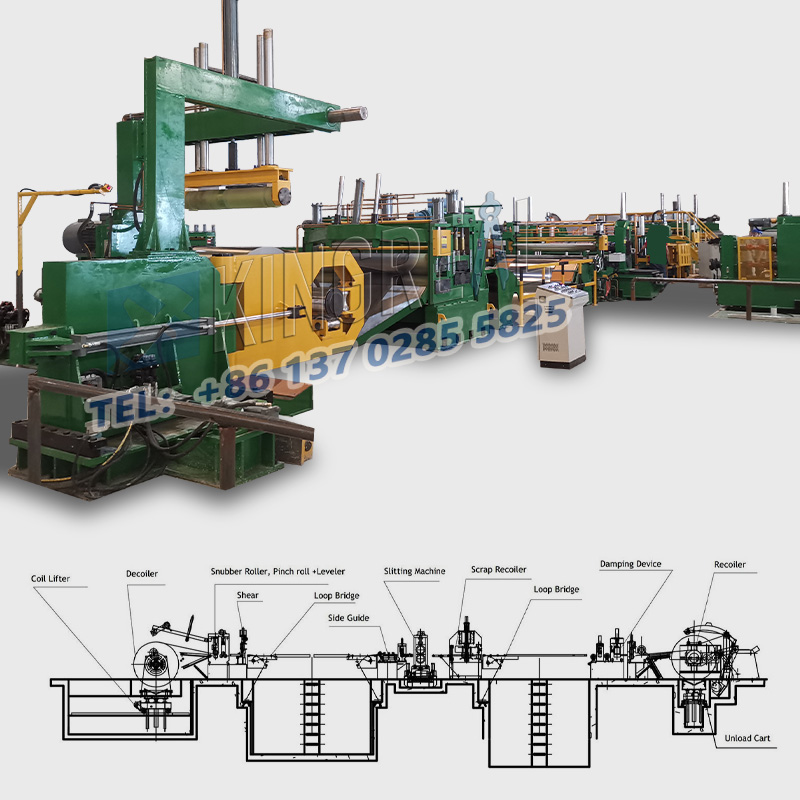
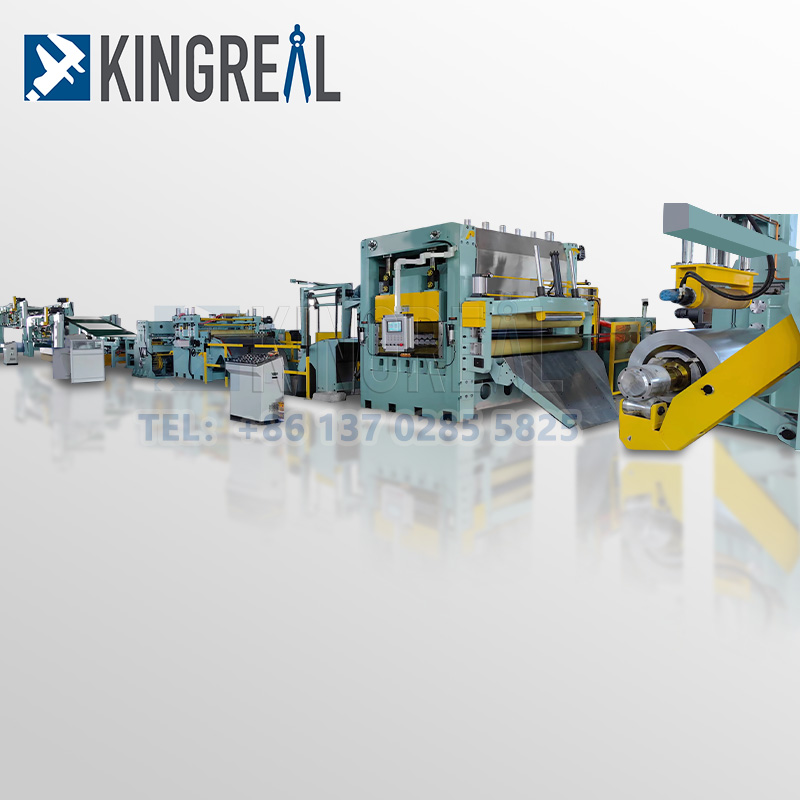
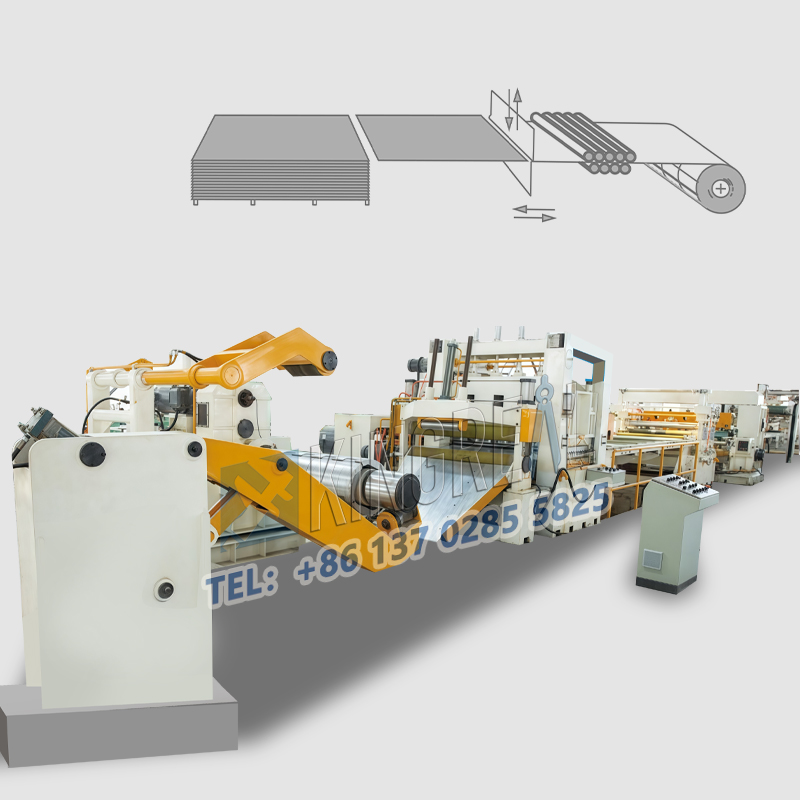
The primary function of a cut-to-length line is to process large metal coils—through uncoiling and leveling—into flat sheets of precise, preset lengths. Serving as raw materials for the metal processing industry, these sheets are subsequently routed to secondary processing stages such as stamping, bending, welding, or laser cutting to create finished products. The processing capabilities of the cut to length machine directly determine the precision and efficiency of downstream production. Currently, this cut-to-length line is widely used in key sectors including automotive manufacturing, home appliances, construction infrastructure, enclosure and cabinet manufacturing, heavy machinery, and shipbuilding.
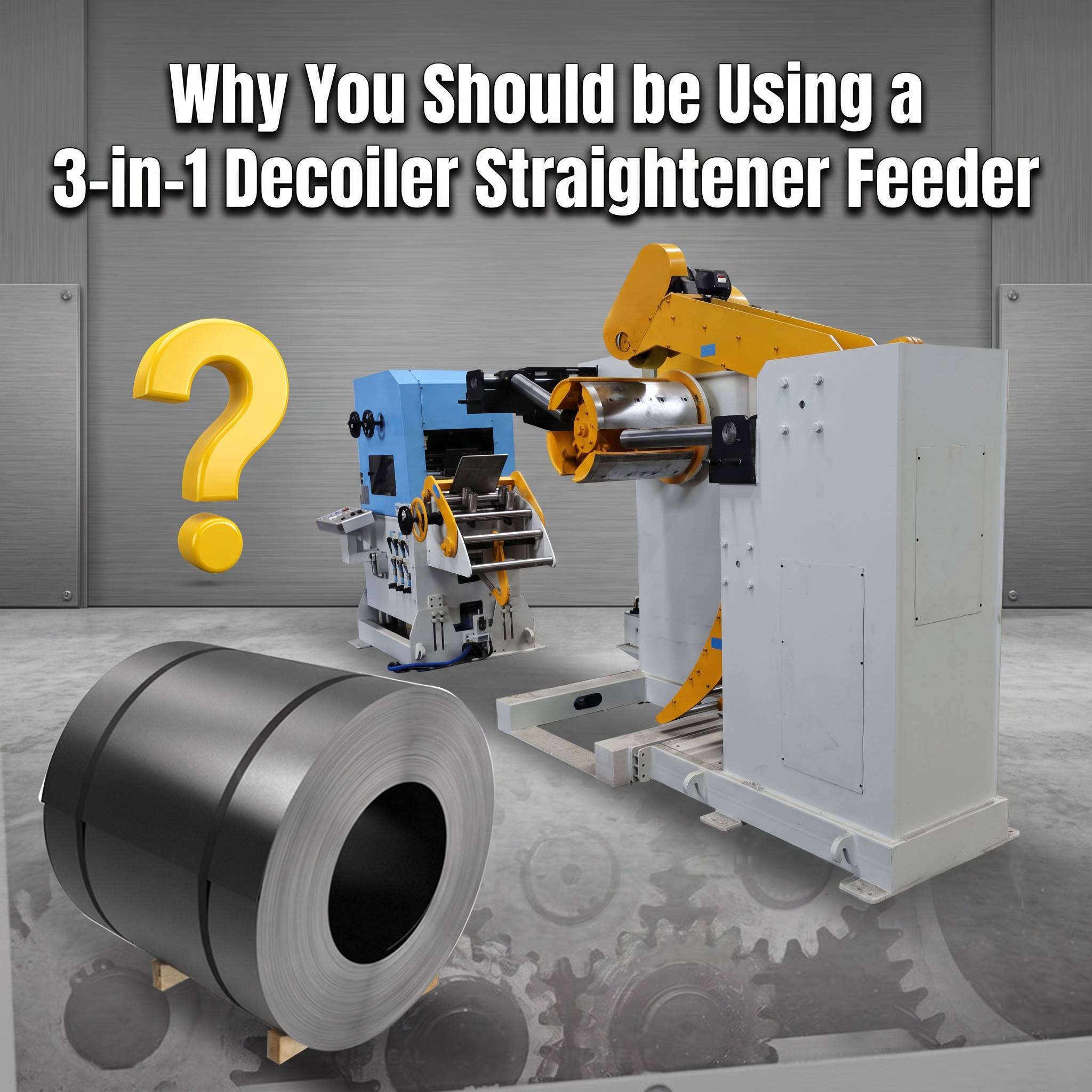
In the modern metal processing industry, the use of a 3-in-1 decoiler straightener feeder enables faster production cycles and reduced setup times. Research indicates that adopting this integrated equipment can reduce the production line's footprint by 30%–50%; simultaneously, the shorter material travel path significantly enhances stability and precision. A synchronized control system for the entire line further minimizes operational risks, ensuring the reliability of the coil-fed stamping equipment even under complex working conditions.
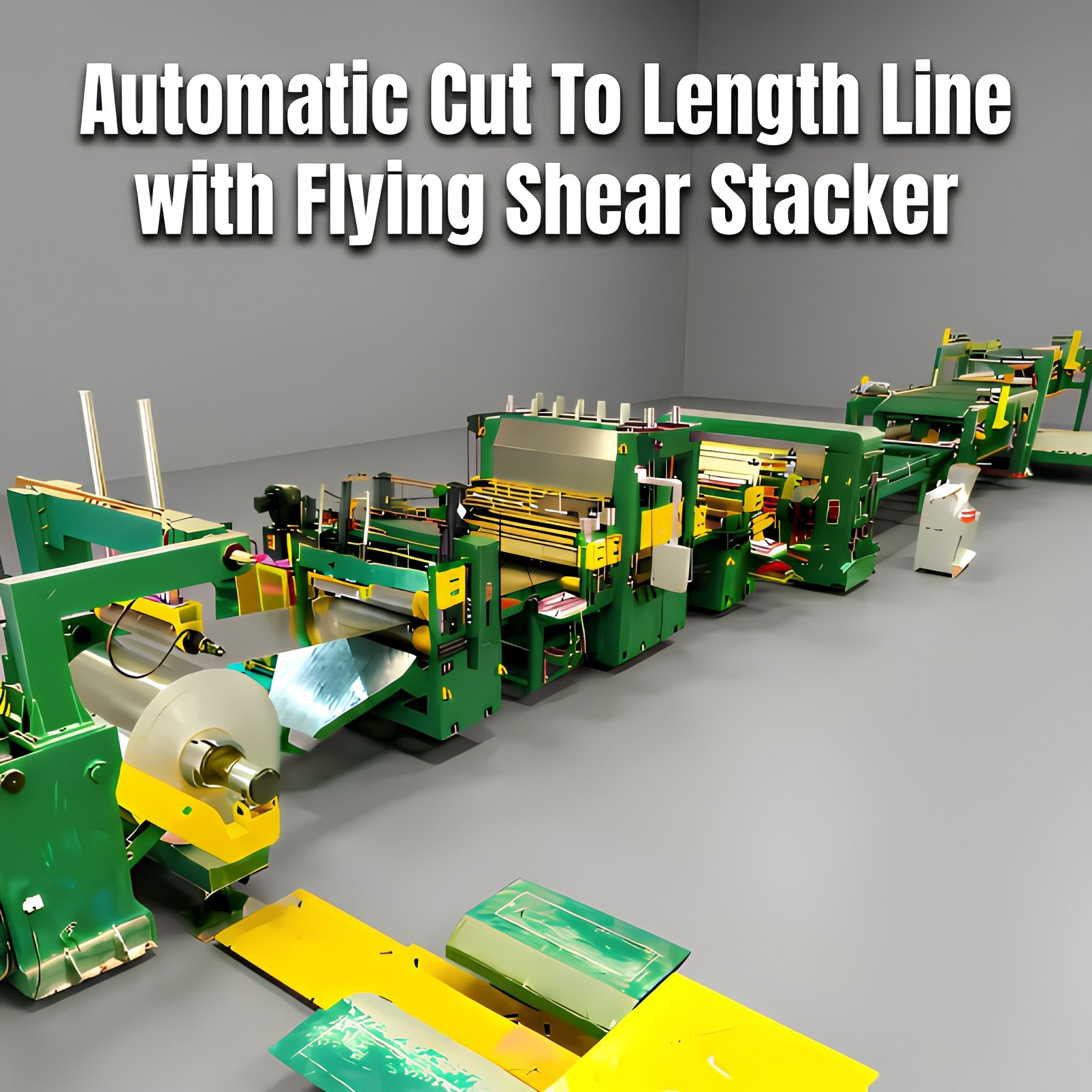
In the modern metal processing industry, cutting steel coils to specific lengths is a fundamental and critical process. To meet market demands for high productivity and precision, automatic cut to length lines have evolved into highly automated production systems integrating mechanical, electronic, hydraulic, and pneumatic technologies. The integration of a flying shear system and an automatic stacker is the core element enabling high-speed, continuous production without the need for manual intervention.
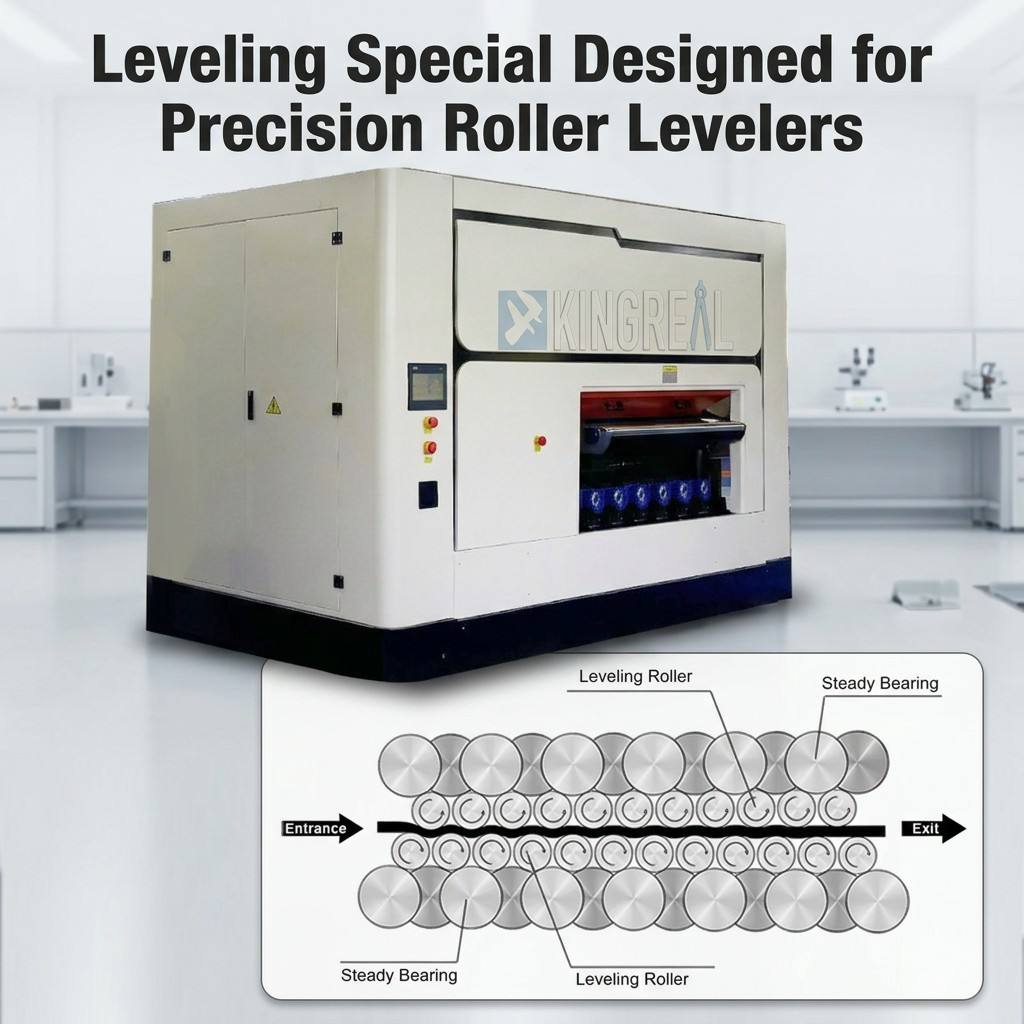
In the field of metal processing, the precision roller leveler has revolutionized the post-processing of metal workpieces. From stainless steel sheets to complex laser-cut parts, and from highly conductive copper strips to lightweight aluminum alloys, precision leveling serves not only to enhance aesthetics but—more importantly—to ensure that subsequent bending, stamping, and welding processes can be automated and defect-free. This article provides an in-depth analysis of the internal structure and core leveling logic of metal plate leveling machines, as well as the unique design features that allow them to excel in diverse industrial applications.