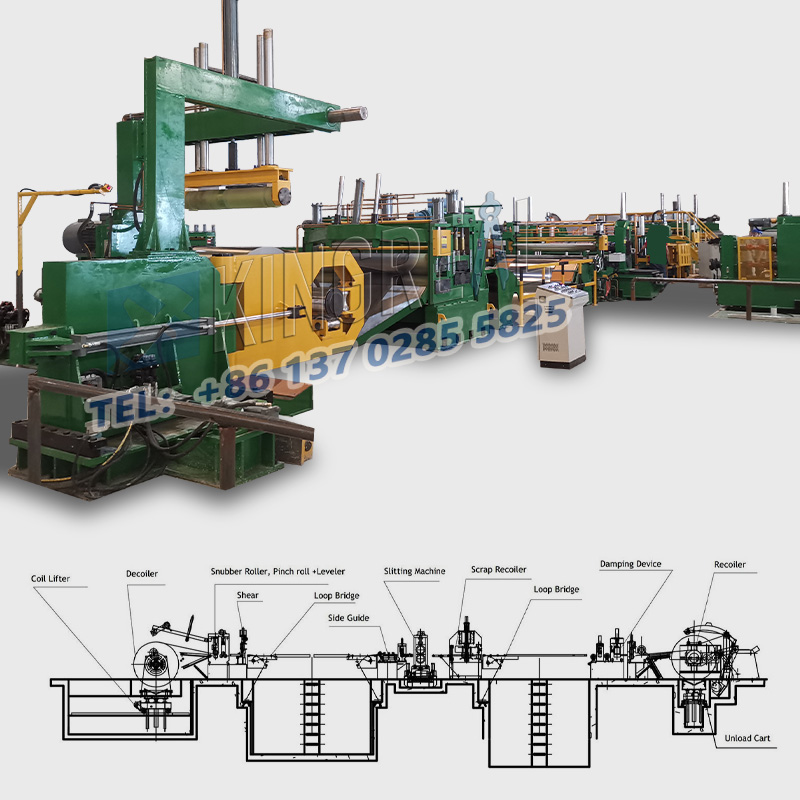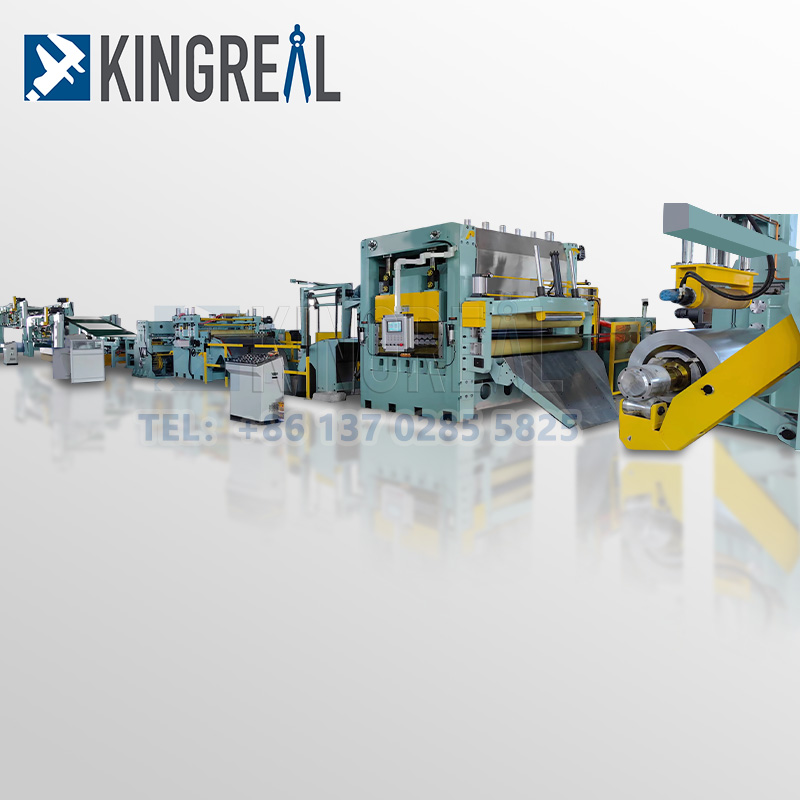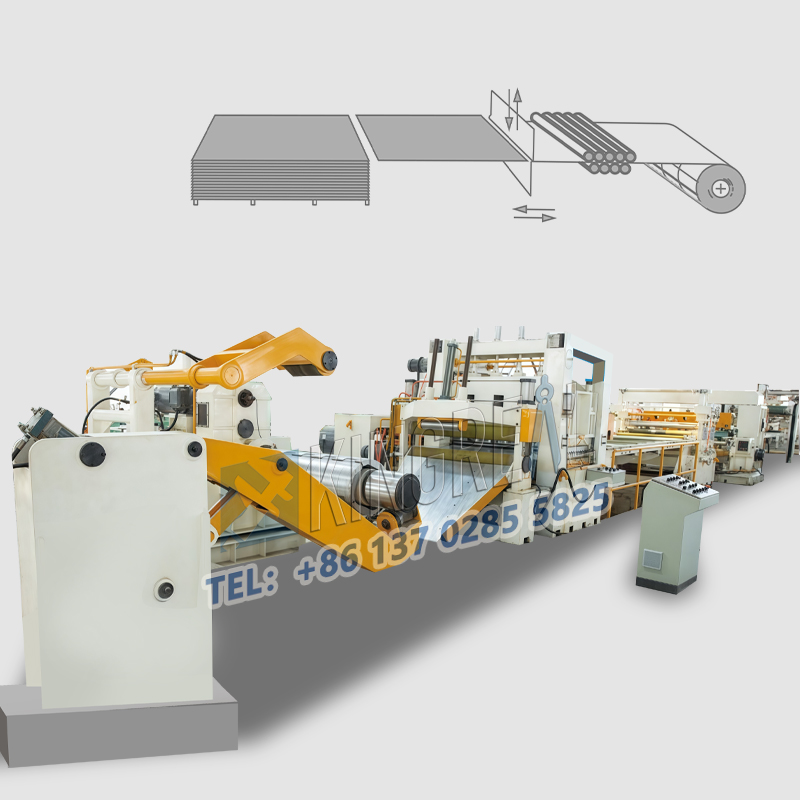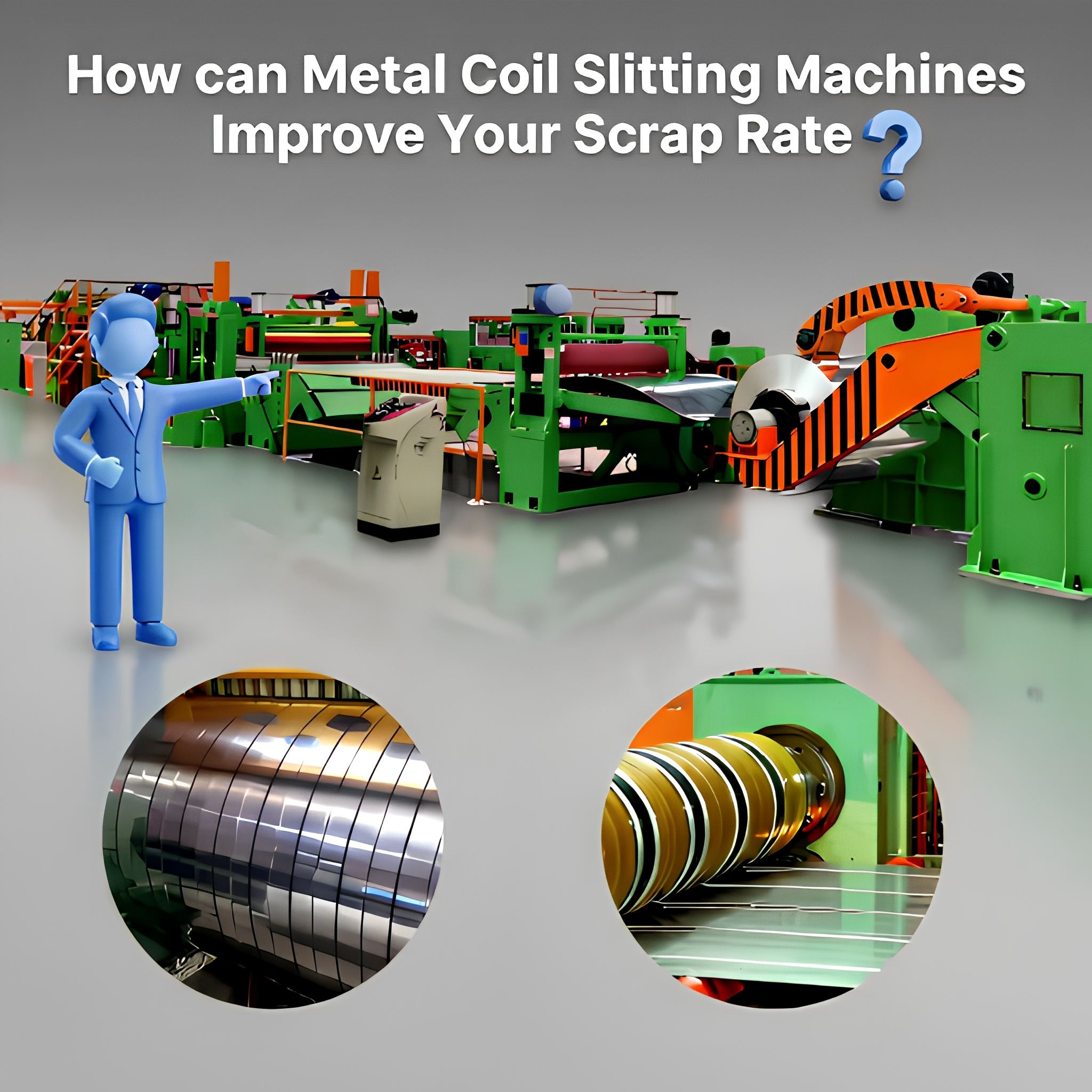
In heavy-duty metal processing, the scrap rate is a critical variable that dictates a facility's bottom line. A high-performance metal coil slitting machine should not be viewed merely as a cutting tool; rather, it functions as the primary control system for material yield. Reducing waste is not a task that can be deferred to post-installation maintenance. In reality, the technical ceiling for precision is established during the selection of the metal coil slitting line. This article analyzes the procurement criteria necessary to optimize hardware performance and maximize material utilization.
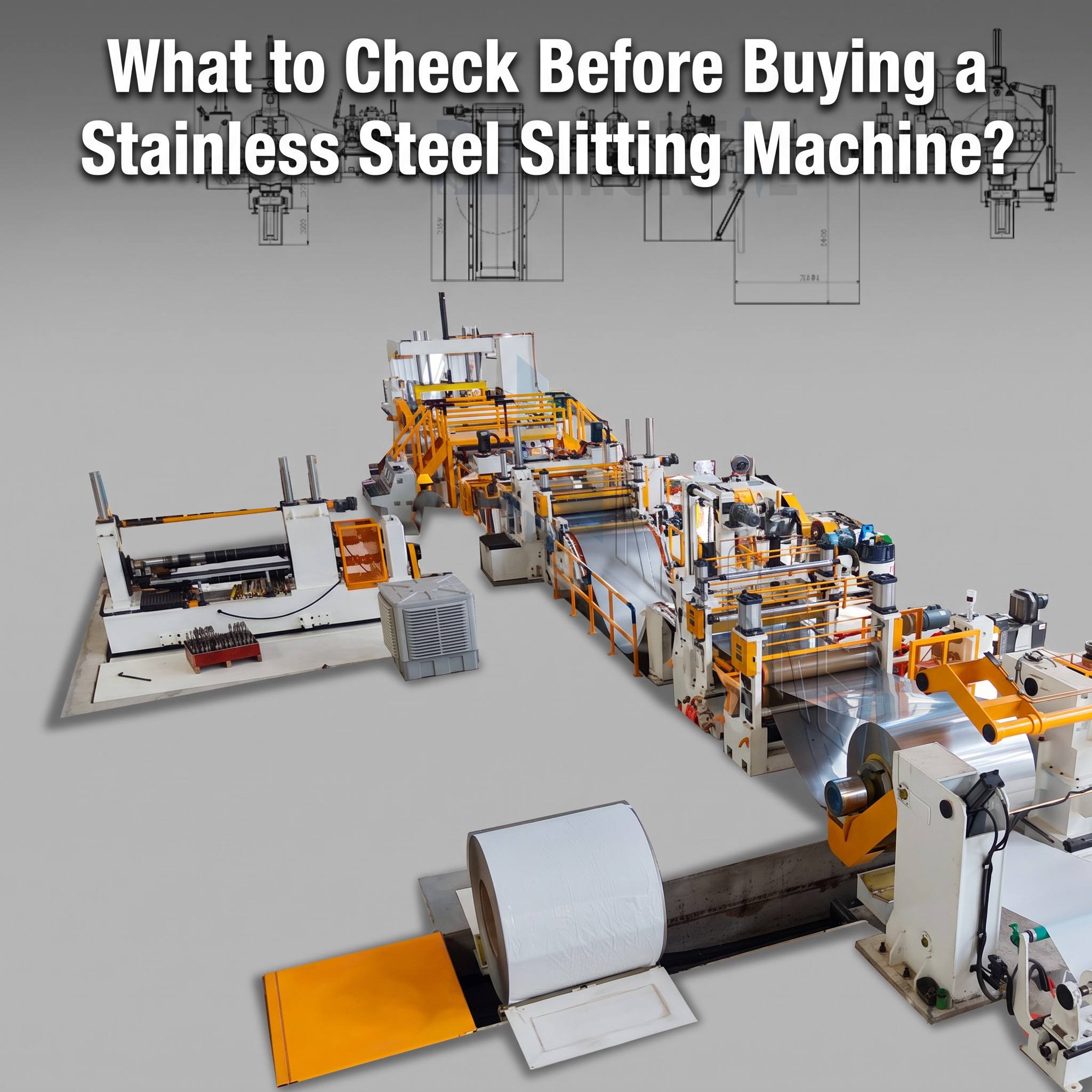
In modern metal processing workflows, the stainless steel slitting machine is a core piece of equipment for handling high-value coils. Due to the material's high hardness, stringent surface quality requirements, and diverse applications, stainless steel places demanding requirements on the precision and protective capabilities of slitting equipment. As a professional manufacturer with over 20 years of experience, KINGREAL STEEL SLITTER advises that before signing a purchase contract, clients must conduct a systematic review across three dimensions: material parameters, production capacity planning, and auxiliary systems. Selecting customized stainless steel coil slitting machine that perfectly aligns with production needs is the only way to maximize productivity and minimize resource waste.
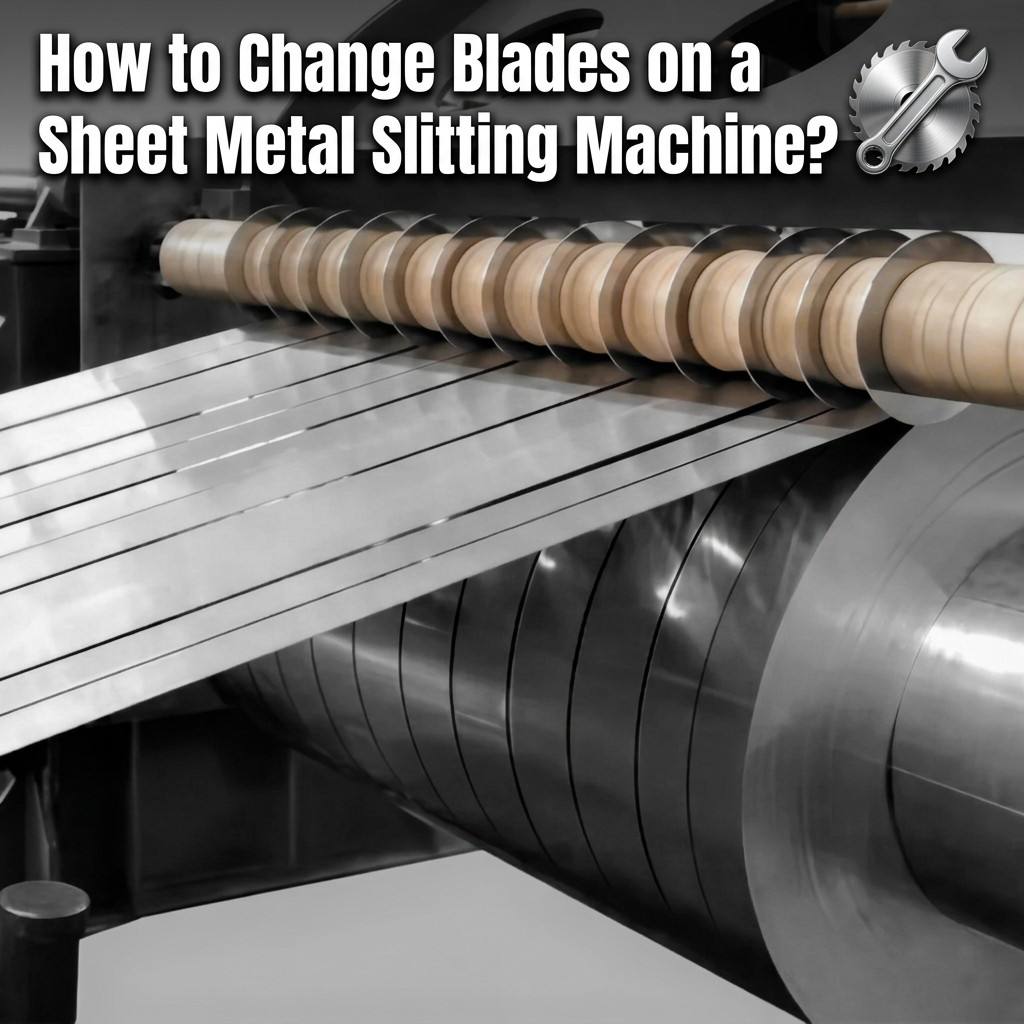
In this article, KINGREAL STEEL SLITTER provides a detailed guide on how to replace sheet metal slitting machine blades correctly, efficiently, and safely, along with professional maintenance recommendations.
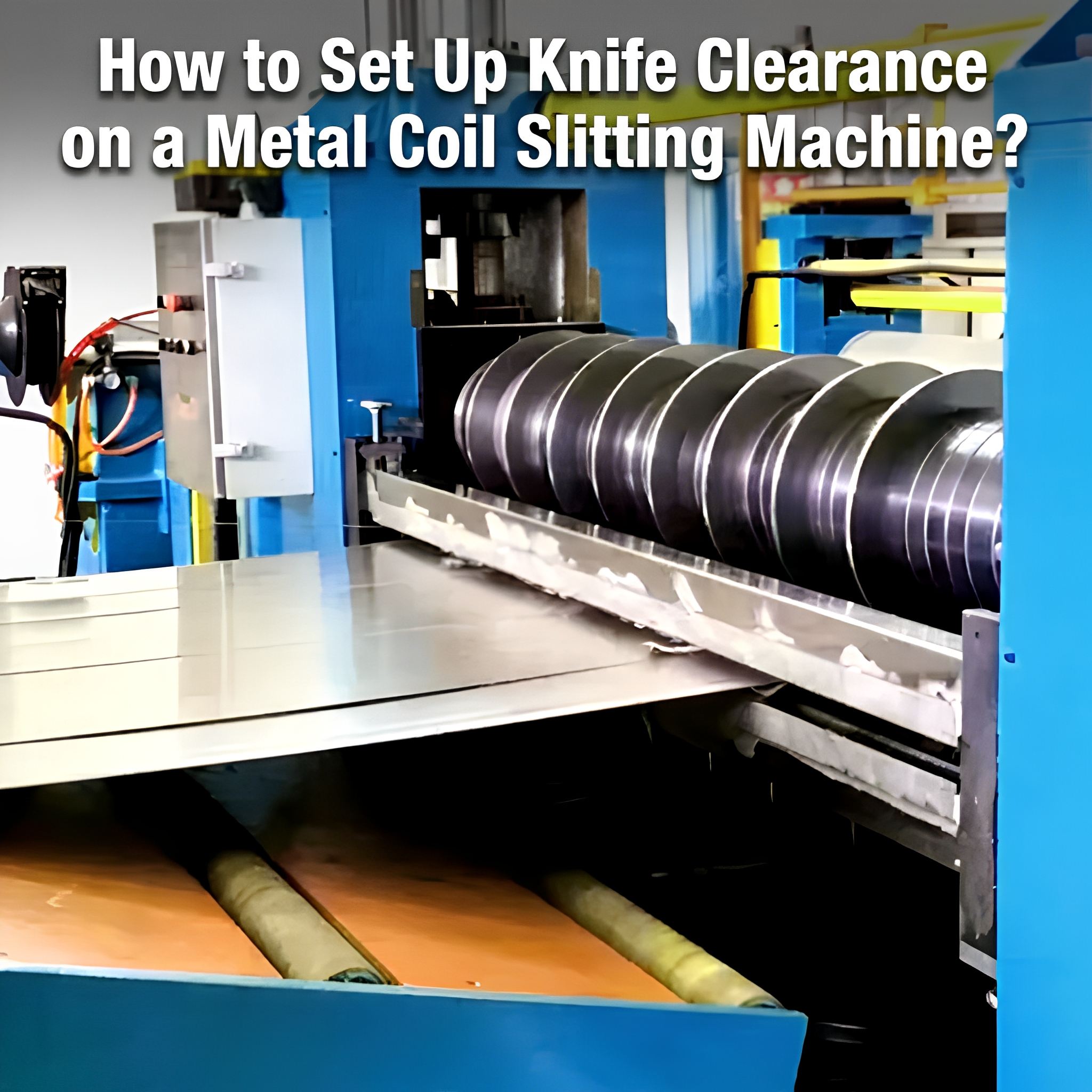
In the metal processing industry, the precision of a metal coil slitting machine often hinges on a minute detail: the blade clearance. Blade clearance is one of the most critical adjustment parameters in the slitting process, directly influencing slitting accuracy, tool longevity, and production efficiency. However, due to the stringent adjustment requirements and inherent operational risks, this task is both a routine maintenance procedure and a common source of malfunctions. This guide, prepared by KINGREAL STEEL SLITTER technical experts, outlines the professional procedure for adjusting slitting blade clearance to ensure safe and efficient production.
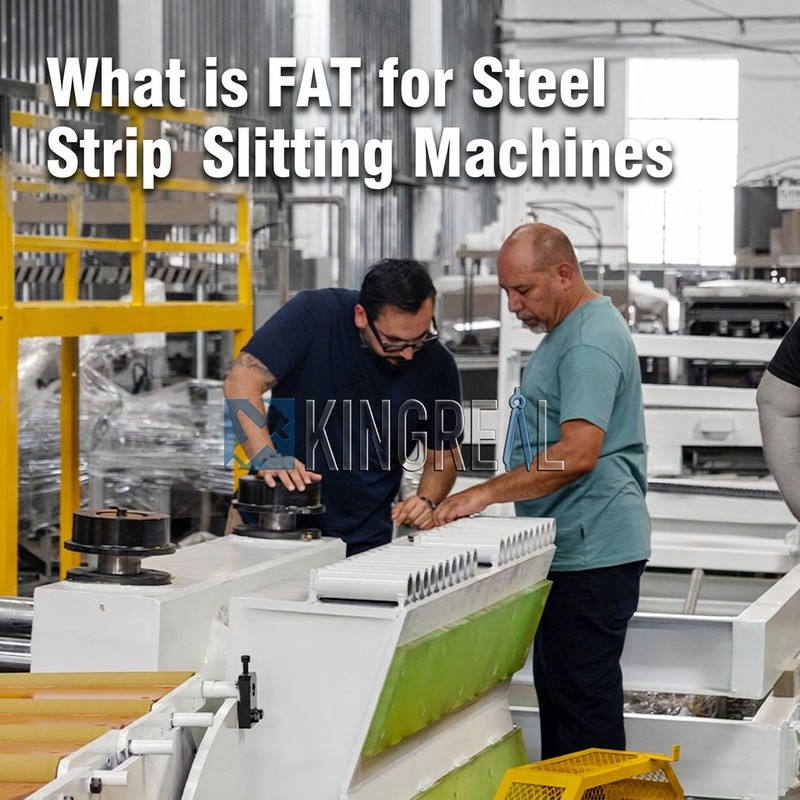
In the field of precision metal processing, purchasing a high-quality steel strip slitting machine represents a significant capital investment. To ensure that the steel strip slitting line's actual production performance matches the specifications outlined in the blueprints, the Factory Acceptance Test (FAT) serves as a critical, indispensable step prior to delivery. This article provides a detailed overview of the FAT for steel strip slitting machines, explains why it is vital for your production line, and outlines the professional procedures to be carried out during the acceptance process.
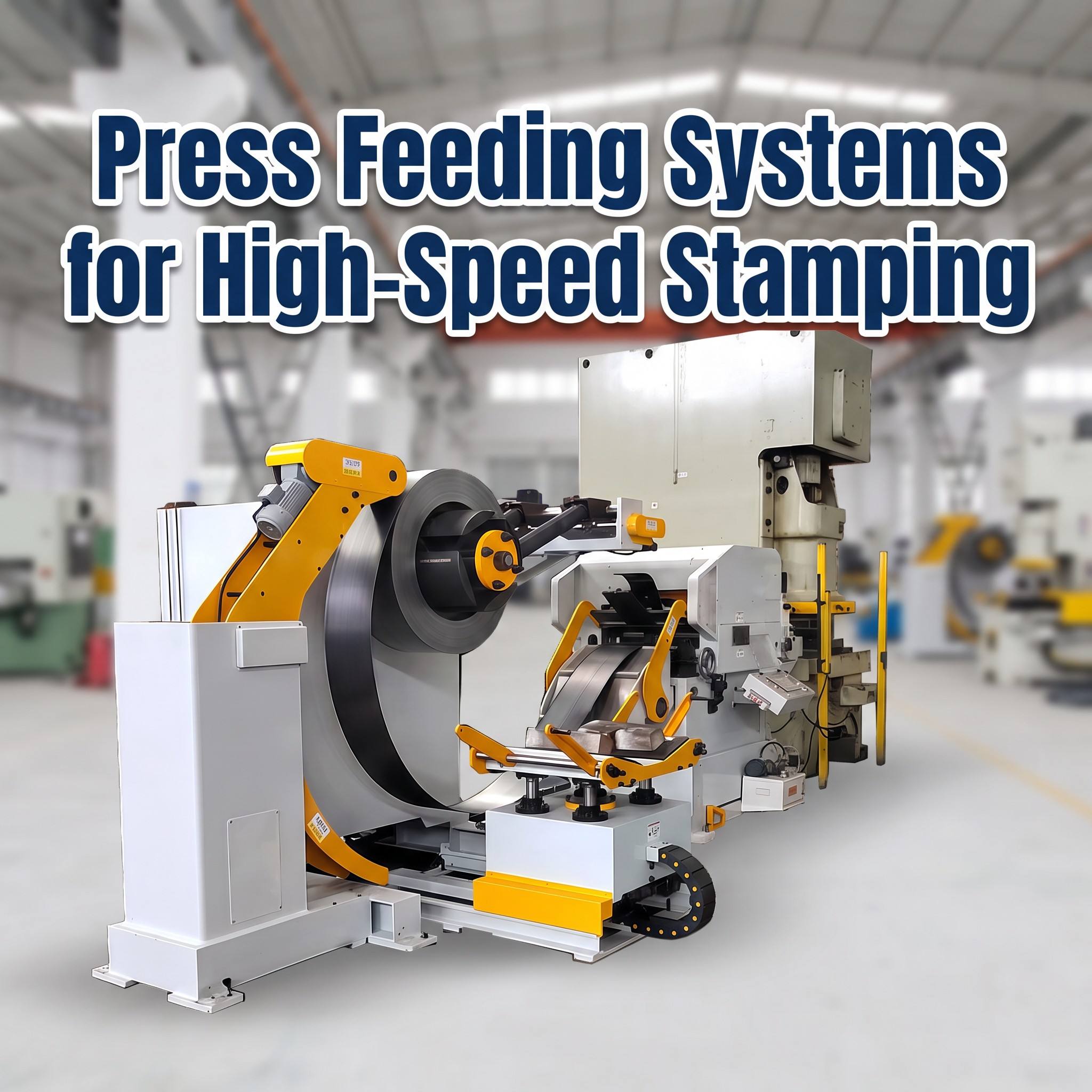
In the modern metalworking industry, the press feeding system plays a vital role in high-speed, precision stamping, enabling the stamping, leveling, and forming of metal materials. Through fully automated process control, the press feed line feeds metal coils into stamping machine stably, continuously, and precisely. This ensures the press operates continuously at high speeds, significantly reducing the need for manual intervention and labor costs while vastly improving production efficiency and product yield rates.