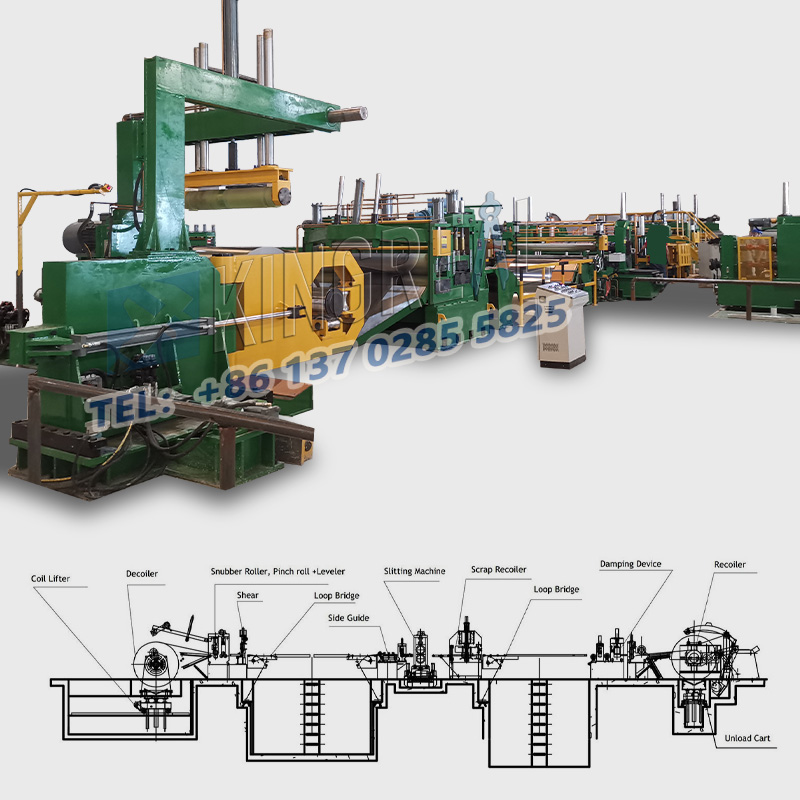
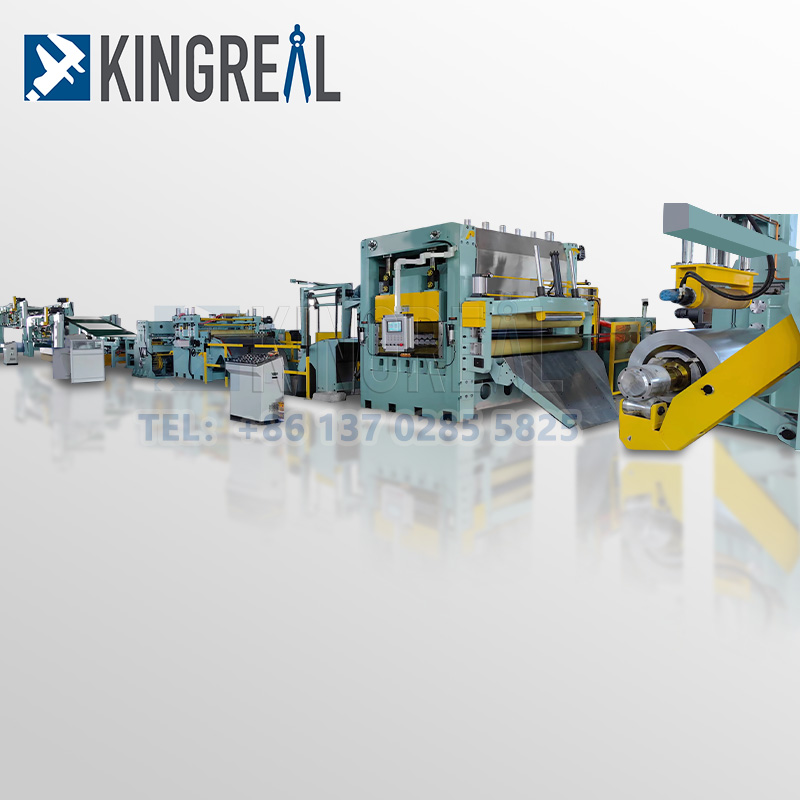
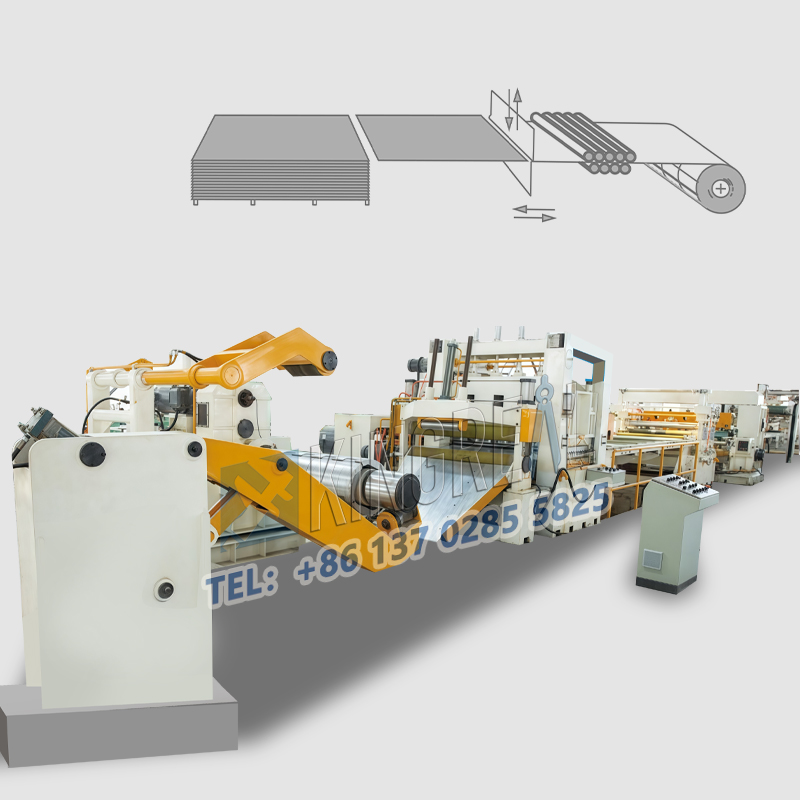
In modern metal processing workflows, the stainless steel slitting machine is a core piece of equipment for handling high-value coils. Due to the material's high hardness, stringent surface quality requirements, and diverse applications, stainless steel places demanding requirements on the precision and protective capabilities of slitting equipment.
As a professional manufacturer with over 20 years of experience, KINGREAL STEEL SLITTER advises that before signing a purchase contract, clients must conduct a systematic review across three dimensions: material parameters, production capacity planning, and auxiliary systems.
Selecting customized stainless steel coil slitting machine that perfectly aligns with production needs is the only way to maximize productivity and minimize resource waste.
Material parameters determine the stainless steel slitting machine's fundamental mechanical design and structural strength. Since stainless steel differs significantly from ordinary carbon steel in its physical properties, the following data must be clearly defined:
1. Material Grade and Yield Strength
The stainless steel series (e.g., 300 series, 400 series) directly affects shear resistance. Austenitic stainless steels (such as 304) exhibit significant work-hardening characteristics. Verification requires the material's maximum yield strength to ensure that the stainless steel coil slitting machine's main frame, arbor diameter, and shearing power can withstand the corresponding shear stresses.
2. Thickness Range
Stainless steel slitting machines are typically categorized by thickness ranges, such as thin sheet or medium-to-thick plate. Parameters such as arbor overlap adjustment precision, gearbox torque output, and tension station pressure control must be optimized based on the specific thickness range.
3. Width and Coil Weight
Maximum input width determines the stainless steel coil slitting machine's transverse dimensions, while coil weight directly influences the structural design of the decoiler and recoiler. For extra-heavy coils, hydraulic support rods or load-bearing transfer cars are essential to ensure operational stability.
4. Surface Protection Requirements
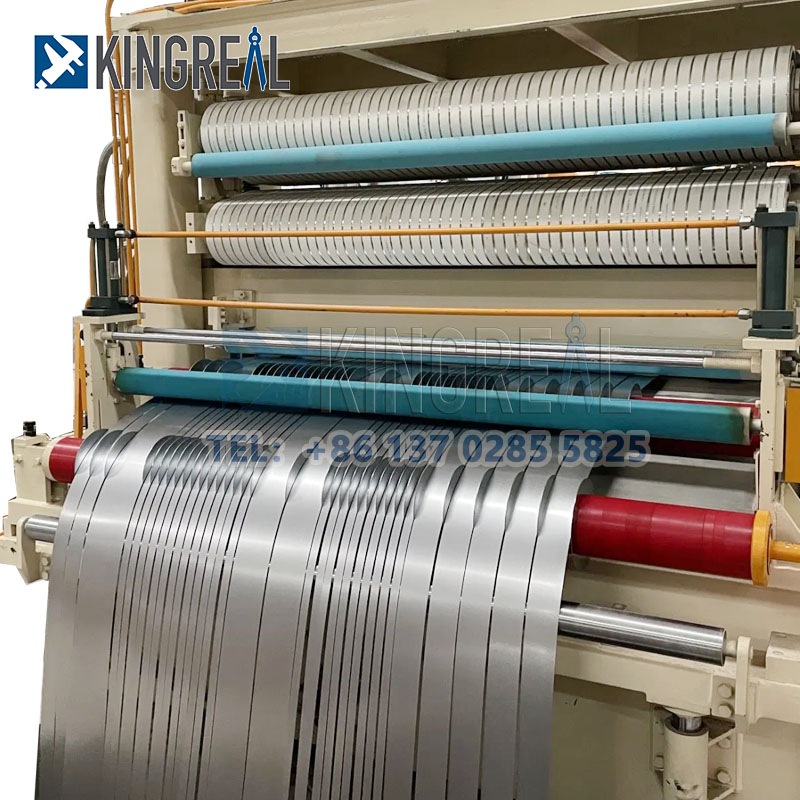
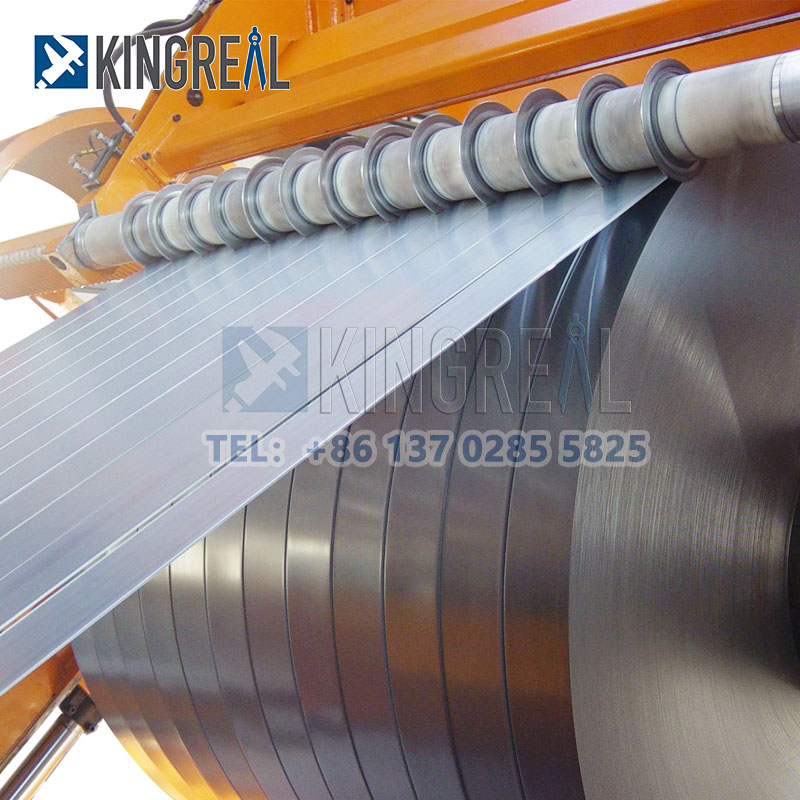
This is a critical inspection item for stainless steel slitting. Since stainless steel is often used for components where surface appearance is critical, any scratches can result in rejected parts. Verification should confirm:
Whether all material-handling rollers are coated with food-grade PU.
Whether the tensioning station utilizes a belt tension rather than traditional felt pads to prevent surface abrasion.
 |
 |
Verifying production capacity is crucial not only for output efficiency but also for the return on investment of the entire line.
1. Speed Selection
KINGREAL STEEL SLITTER offers models with varying speed ratings:
Standard speed (80–120 m/min): Suitable for small-to-medium-scale processing centers.
High operating speed (230 m/min): Suitable for large-scale steel service centers. At this speed, the cutter shafts must undergo G2.5-grade high-precision dynamic balancing tests to eliminate the impact of high-frequency vibration on slitting precision.
2. Automation Level and Auxiliary Time
Actual capacity equals operating speed multiplied by operating time. If tool-changing time is excessive, the advantages of high operating speeds will be negated. Therefore, it is necessary to verify the stainless steel coil slitting machine's rapid tooling change capabilities and the level of automation for loading and unloading.
Selecting the right auxiliary systems is vital for enhancing production continuity and minimizing manual intervention:
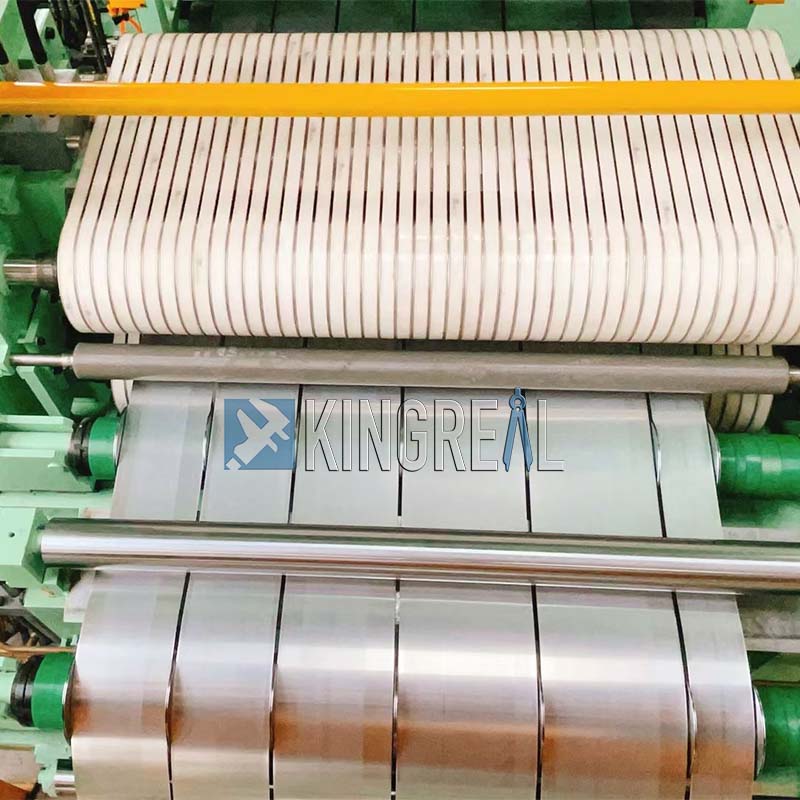
1. Double Slitter Head System
For stainless steel slitting machines requiring frequent changes in specifications, a double slitter head system is essential.
While one slitter head is in operation, operators can perform tooling setup on the other. By using sliding rails or a rotary switching mechanism, the tooling change time can be reduced from two hours to just 10–15 minutes.
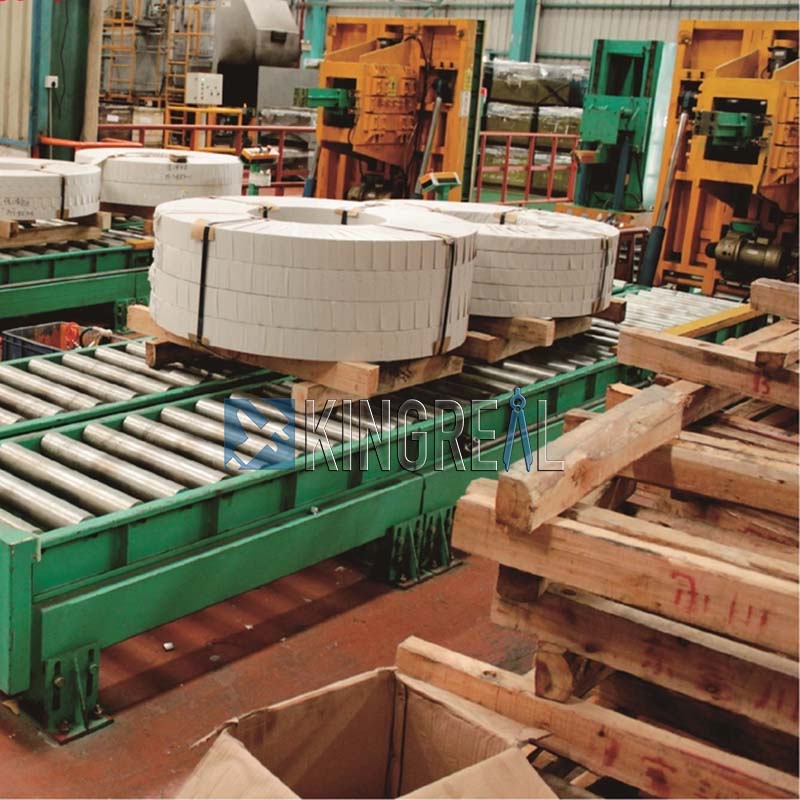
2. Cross-type Turnstile Coil-storage Arm and Coil Packing Line
After narrow strips are unloaded from the recoiler, a cross-type turnstile coil-storage arm can temporarily buffer multiple finished coils. Integrated with an automatic coil packing line, this enables a seamless transition from coiled material to palletized packaging.
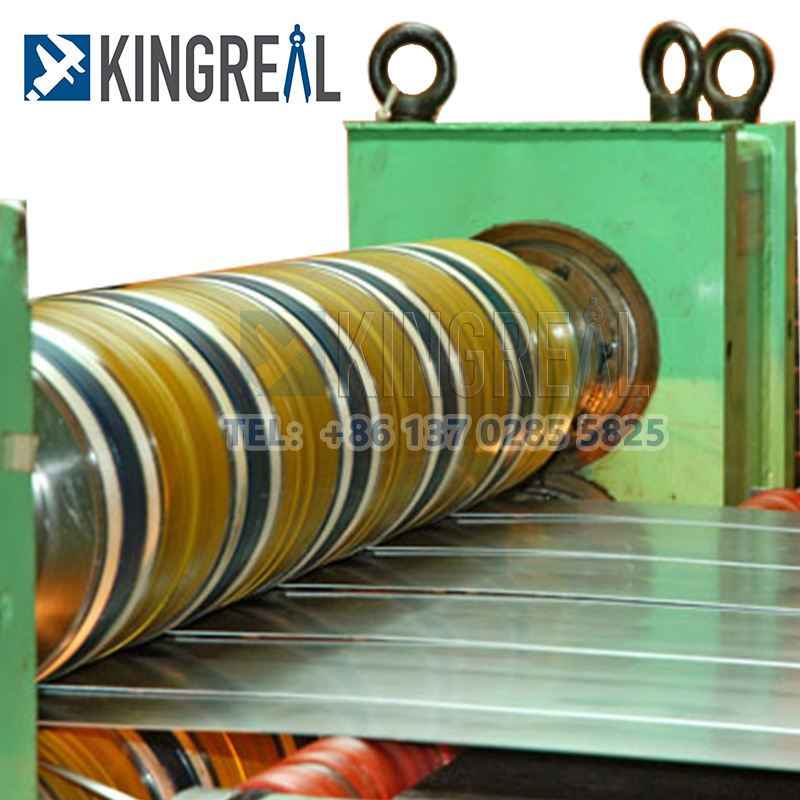
3. Precision Tension Station
For stainless steel, a belt tension station provides more uniform friction, ensuring neat coil end faces while preventing metal debris trapped in the felt pads from scratching the material surface.
 |
 |
 |
A detailed pre-purchase review is not merely a technical check but a vital part of risk management:
●Maximizing Resource Utilization: Only when specifications are perfectly matched can motor torque, pump station pressure, and structural strength operate within their optimal performance ranges, thereby avoiding energy waste or mechanical fatigue.
●Avoiding Physical Incompatibilities: Failure to clarify material limits beforehand can lead to excessive burrs on slit edges or loose coils caused by insufficient tension, resulting in costly raw material scrap.
●Shortening the Production Ramp-up: Clear requirement documentation minimizes changes during the manufacturing phase, ensuring that once the stainless steel coil slitting machine arrives and passes the Factory Acceptance Test, it can quickly transition to full-capacity production.
Purchasing a stainless steel slitting machine is a complex, systematic undertaking. Drawing on years of technical expertise and global project experience, KINGREAL STEEL SLITTER offers customers tailored recommendations ranging from material analysis to complete line planning.
Please contact KINGREAL STEEL SLITTER directly for a stainless steel coil slitting machine configuration tailored to your specific materials or for technical consultation. We will leverage data and empirical testing to create the ideal metal processing solution for you.