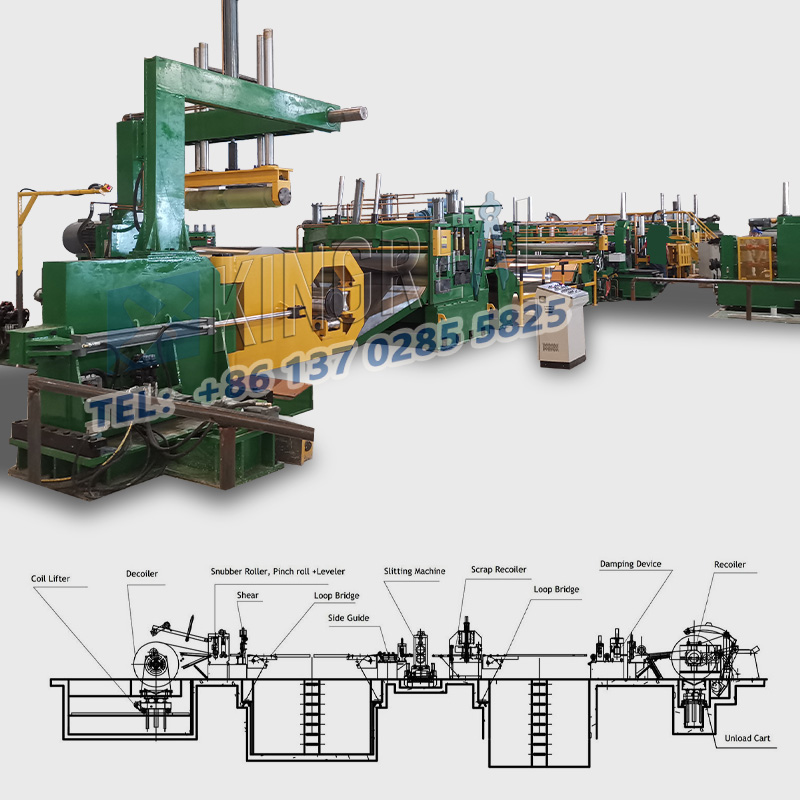
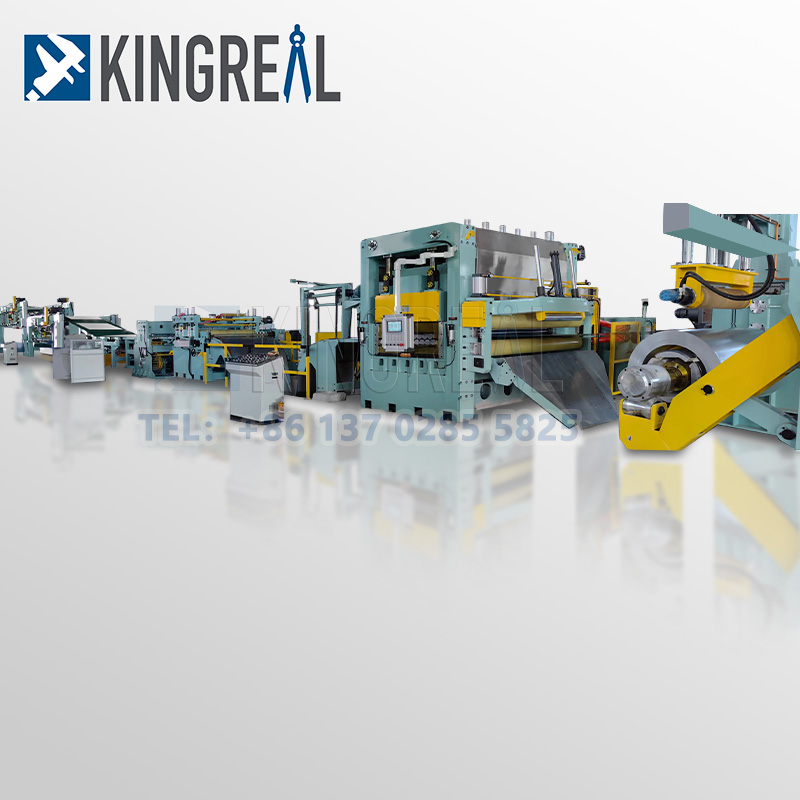
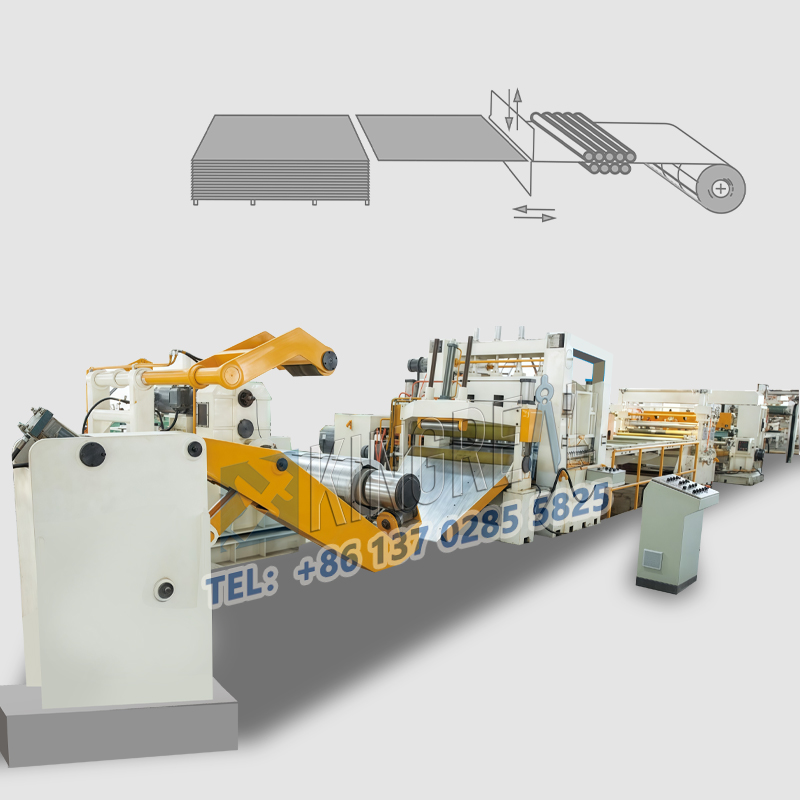
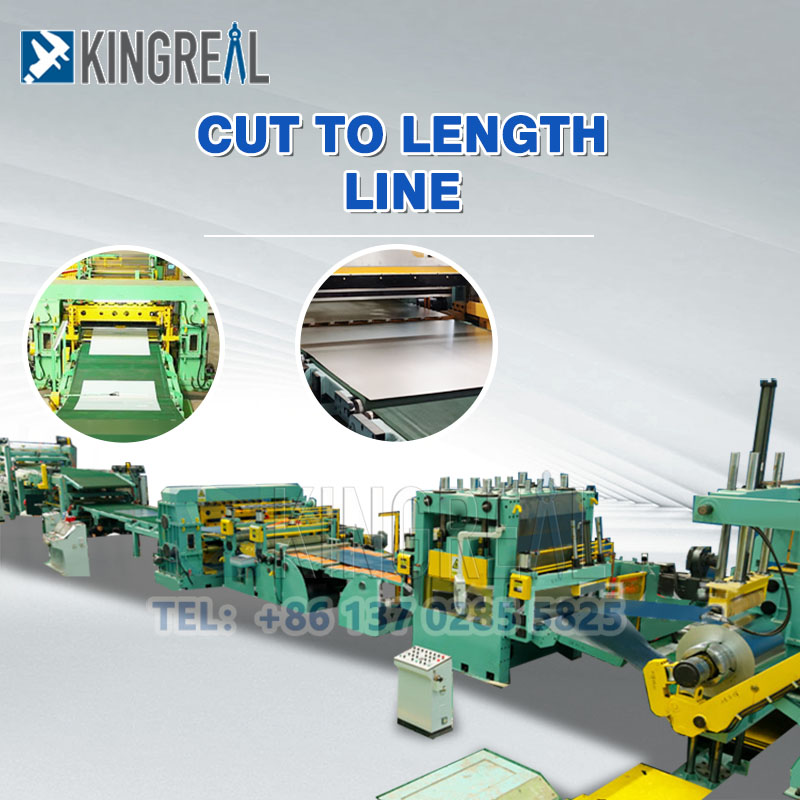
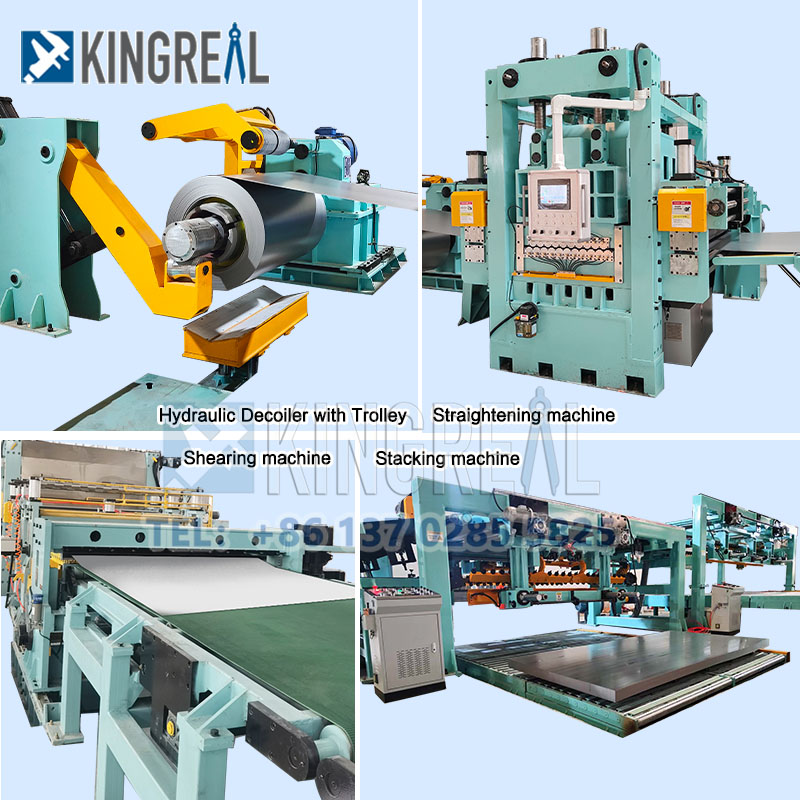
In sectors such as metal packaging, automotive manufacturing, home appliance production, and metal coil distribution centers, a cut to length line is an essential piece of core coil processing equipment. Its primary function is to take large metal coils, uncoil and level them, measure them to a specific length, and then shear them into flat sheets.
For any business considering a coil processing line investment, the first technological decision is usually: should you choose a cut to length machine with a start-stop shear system or one with a flying shear system?
In terms of operating mechanisms, manufacturing efficiency, tool expenses, and the kinds of materials they can manage, these two systems vary greatly. The secret is how closely the equipment matches your particular project needs, budget, and manufacturing capacity objectives; there is no one ideal answer.
KINGREAL STEEL SLITTER offers a thorough examination of the variances between these two systems to enable you to make a wise, data-driven choice as a manufacturer of cut to length lines with broad R&D and manufacturing experience.
The shearing system integrated into a cut to length machine directly determines the operational pace and maximum output of the entire production line. To understand how to choose the right one, you must first grasp their underlying operating principles.
|
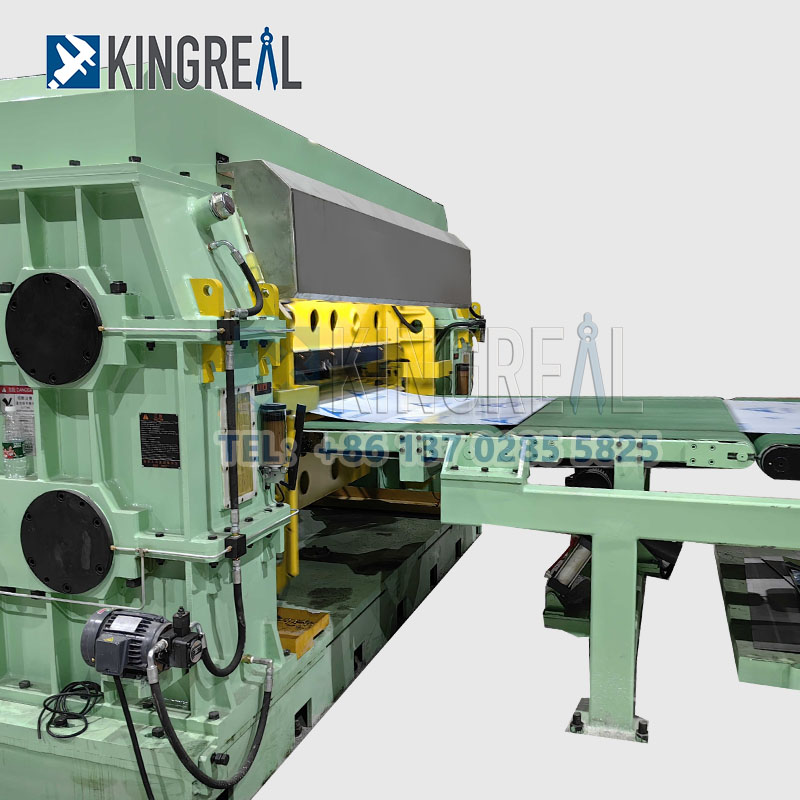
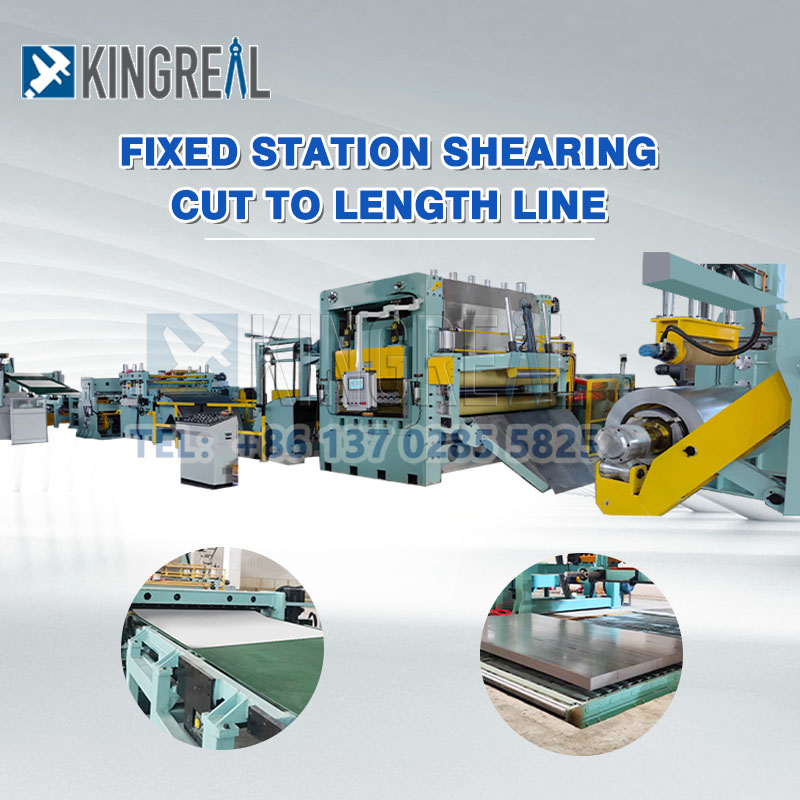
1. Start-Stop Shear The core operating principle of a start-stop shear system is an intermittent cycle of "stop—shear—feed."
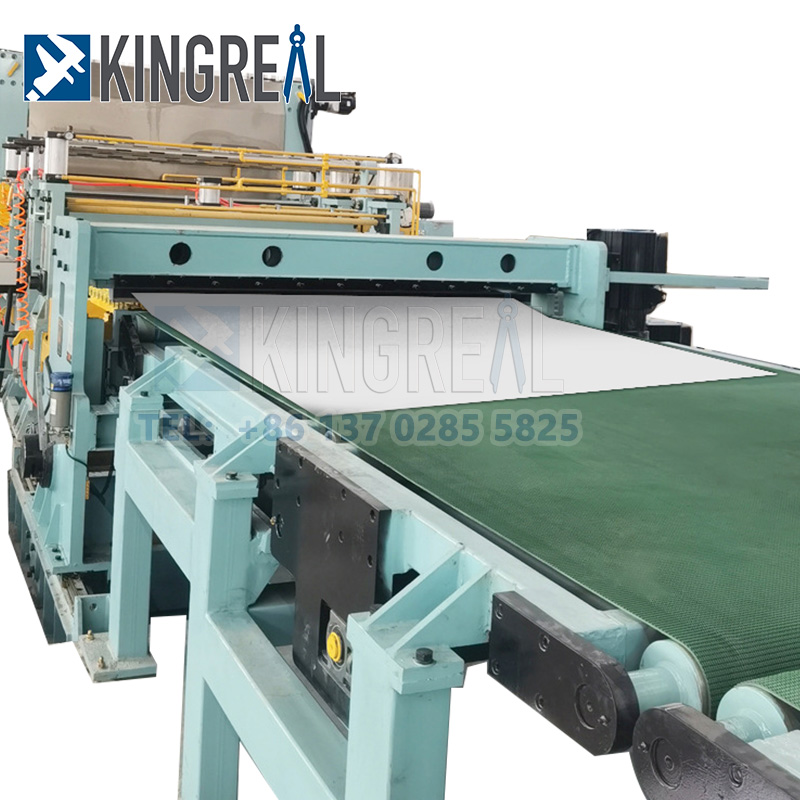
Operational Flow: After exiting the leveling machine, the metal strip is measured to a precise length by a servo-driven feeder. Once the target length is reached, the servo system triggers a command that brings the feeding mechanism to a complete halt. While the sheet is stationary, the shear blade descends to perform the cut. Once the cut is complete, the system restarts, advancing the sheet toward the stacking area while simultaneously beginning the next feeding cycle.
Technical Characteristics: This cyclic approach features a relatively simple structure and straightforward logic control; it places lower demands on the synchronization between the servo system and the mechanical components. |
 |
 |
2. Flying Shear The core operating principle of a flying shear system is continuous shearing, where the material remains in motion while the shear blade tracks it.
Operational Process: In a fly shearing cut to length line, the metal strip moves forward continuously—at either a constant or fluctuating speed—without ever coming to a halt. A high-precision servo-drive system enables the flying shear mechanism to track the material's speed in real time. The moment the shear’s travel speed perfectly synchronizes with the linear speed of the material, the cutting mechanism executes the cut.
Technical Characteristics: Flying shear technology achieves a seamless integration of speed synchronization and precise length control. This demands an exceptionally high processing speed from the PLC control system, as well as superior dynamic response capabilities from the servo motors. |
Fly shearing cut to length machines are the industry standard for high-end automated production, prized for their efficiency and precision.
1)High-Speed Continuous Production
The flying shear system is the critical component for high-speed, synchronized cutting. Traditional stop-start shearing systems are constrained by physical inertia; the frequent acceleration and deceleration cycles result in significant time loss.
In contrast, a flying shear system eliminates these delays. With the flying shear technology integrated into KINGREAL STEEL SLITTER cut to length lines, cutting speeds can reach up to 80m/min.
Consequently, the number of SPM for a fly shearing cut to length machine is typically 30% to 50% higher than that of a conventional stop-start shear cut to length line.
2)Superior Surface Protection
For manufacturers of stainless steel, aluminum, or high-grade pre-painted sheets, stop-start shearing systems pose a risk: the frequent starting and stopping can cause the material to slip against leveling or conveyor rollers, leading to roller marks or scratches.
A fly shearing cut to length machine keeps a steady, consistent speed, therefore almost no sudden friction occurs between the material and the rollers. This makes it the best option for handling delicate materials since it allows for a really scratch-free manufacturing process.
3)Automation and Stacking Advantages
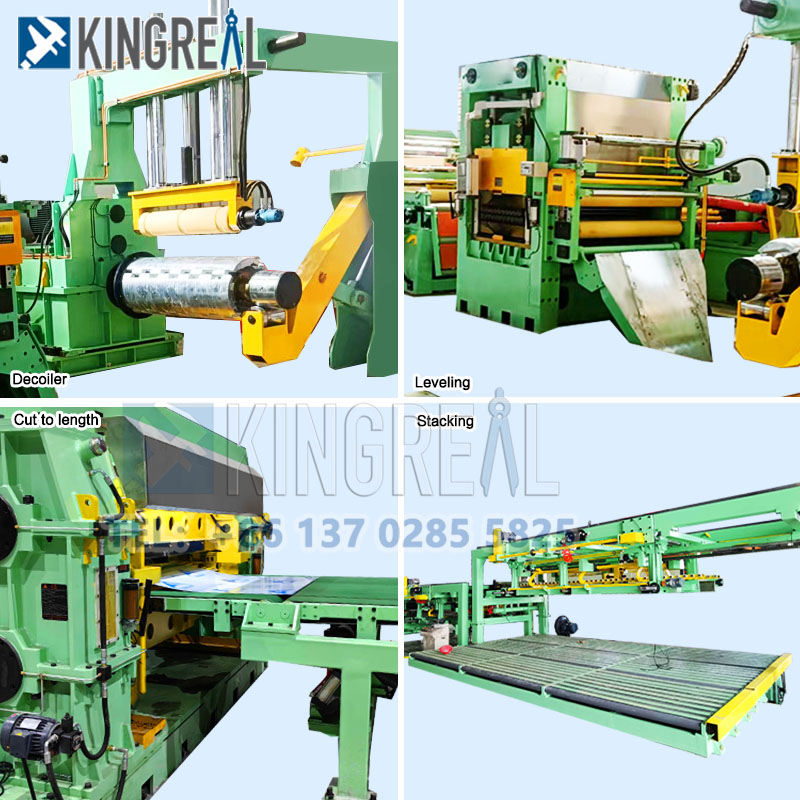
Because the material is made continuously, fly shearing cut to length lines usually have sophisticated belt conveyors and pneumatic stacking systems. These parts are meant to match the fast production speed so that the cut sheets are stacked precisely and evenly.
 |
 |
While flying shears offer a clear advantage in terms of speed, there are specific scenarios where a cut to length machine equipped with a start-stop shear system performs better.
1)Superior Rigidity and Heavy-Plate Processing Capability
Start-stop shear systems' mechanical structure is often meant to be very strong and stationary.
There is no need to consider the mass balancing of sophisticated, reciprocating synchronizing mechanisms because the material stays still during the cutting process.
This provides start-stop shear cut to length lines more stability and greater cutting force while working with high-strength materials (like high-strength steel) and thick plates—usually 6mm and above.
2)Exceptional Structural Stability and Lower Maintenance Costs
Start-stop shear systems' rather basic design avoids the complex servo-driven synchronisation mechanism needed for flying shears. Troubleshooting is easier and component replacement costs usually less for plant maintenance crews.
3)Economic Viability and Return on Investment
For businesses just starting manufacturing or those with order volumes not yet at full capacity, the quickest path to reach break-even is a cut to length machine with a start-stop shear.
The initial capital expenditure is significantly lower than that of a comparable fly shearing cut to length line, effectively easing the pressure on early-stage cash flow.
 |
 |
When selecting a cut to length machine, it is recommended to evaluate your requirements based on the following four core dimensions:
1) Target Output
If your annual processing volume is extremely high, or if you frequently handle large orders requiring tens of thousands of sheets with uniform specifications—demanding line speeds exceeding 60m/min—a flying shear is the only viable choice.
If your operations focus on customized, small-batch processing, or if your production cycle requirements are less demanding, a start-stop shear will be perfectly adequate.
2) Material Thickness & Strength
For thin sheets (0.3mm – 3.0mm): Flying shears offer a distinct advantage, providing both high speed and excellent flatness.
For thick plates (6mm and above): A start-stop shear is the preferred option. While flying shears capable of handling thick plates do exist, they are costly and prone to significant mechanical wear; a start-stop shear offers a much better price-to-performance ratio.
3) Surface Requirements
For high-standard surfaces (such as stainless steel, aluminum sheets, or mirror-finish panels), a flying shear system is essential to avoid the roller marks that can occur with stop-start shearing.
For standard industrial sheets (such as hot-rolled steel or common carbon steel), the minor marks resulting from a stop-start shearing process are generally considered acceptable.
4) Budget & Floor Space
Budget: Due to their complex control systems and synchronized cutting mechanisms, fly shearing cut to length lines typically cost 20%–40% more than stop-start shear lines.
Floor Space: While the flying shear mechanism itself occupies a similar amount of space to a stop-start system, the higher operating speeds often necessitate longer discharge buffer zones and larger automated stacking areas.
Still undecided on which cutting method to choose for your cut to length machine?
As an industry-leading manufacturer, KINGREAL STEEL SLITTER offers more than just standardized equipment; we specialize in providing customized processing solutions tailored to your specific material parameters, production volume requirements, and workshop layout.
Contact KINGREAL STEEL SLITTER today—let us help you make the right technical decisions for your 2027 production planning and return on investment!