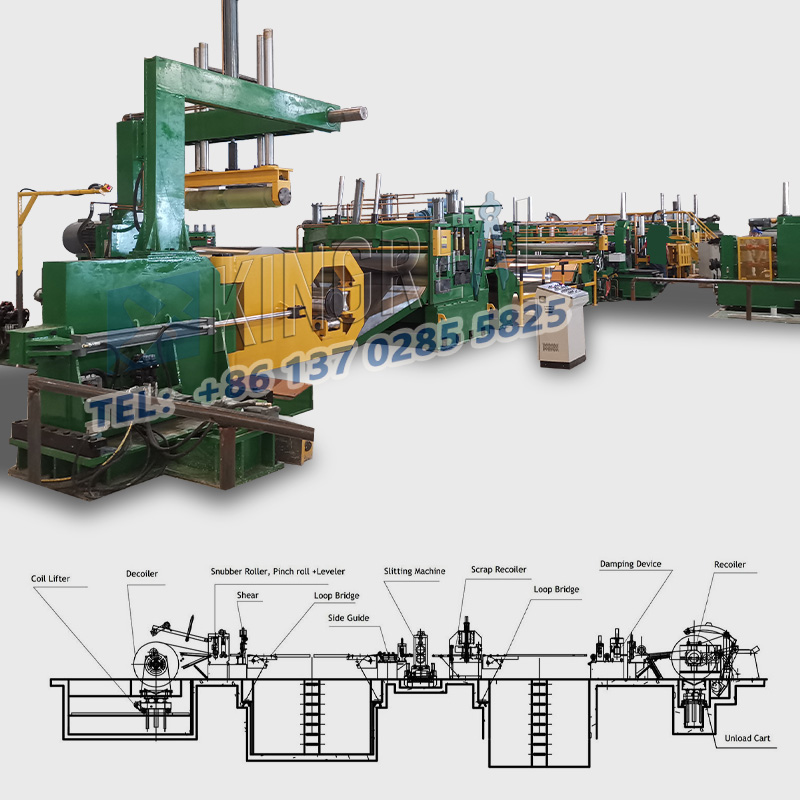
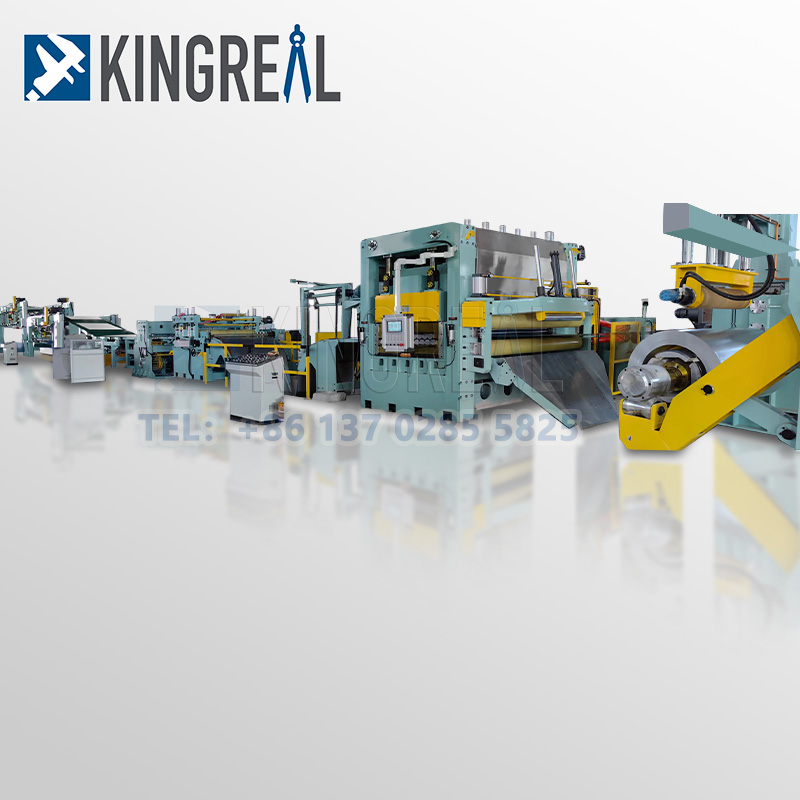
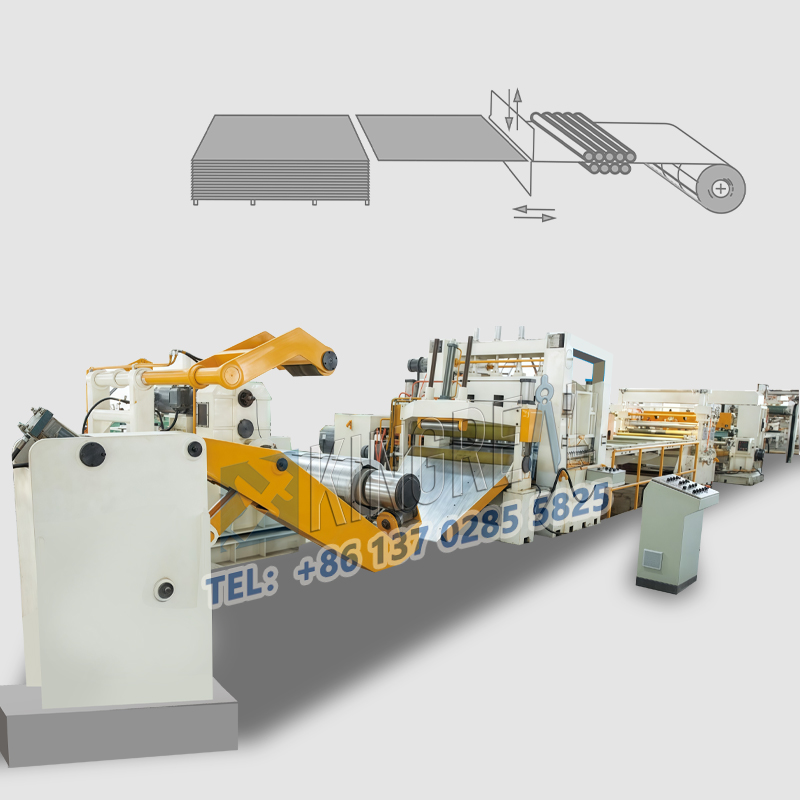
Product quality and trash rates—two key elements controlling a company's profitability in the stainless steel processing industry—define it. A stainless steel coil slitting machine's accuracy directly determines the edge quality of the slit strips, width tolerances, and the material's surface integrity for next manufacturing processes.
However, while buying such a stainless steel coil slitting line, many businesses overemphasize features like maximum slitting speed (e.g., 230 m/min) or the ability to handle 6mm-thick material, therefore ignoring a fundamental technical factor that determines long-term returns: blade offset. Poor control of this offset for premium stainless steel coils causes major scrap rates and expensive machine change downtime.
This essay examines how blade offset affects the operational performance of a stainless steel coil slitting machine and offers a selection guide based on technical logic to guarantee you pick a really robust and dependable stainless steel coil slitting line.
Stainless steels (such as the 304, 316L, and 201 series) exhibit significant work-hardening characteristics. During the slitting process, the material is subjected not only to shear forces but also to compressive stress. If the blade offset is not precisely controlled, it triggers a chain reaction of issues:
Uneven lateral pressure: This results in severe burrs along the edges of the slit strips, complicating downstream processing.
Abnormal blade wear: Misalignment causes irregular friction at the cutting edges, generating excessive heat that can reduce the service life of the slitting tools by more than 40%.
Surface scratching: Vibrations caused by misalignment lead to lateral compression, which can damage the protective film on the stainless steel—directly marring mirror-finish or brushed surfaces.
Therefore, a high-quality stainless steel coil slitting machine must possess exceptional axial stability.
When evaluating proposals from suppliers, focus your audit on the following technical dimensions related to blade offset:
|
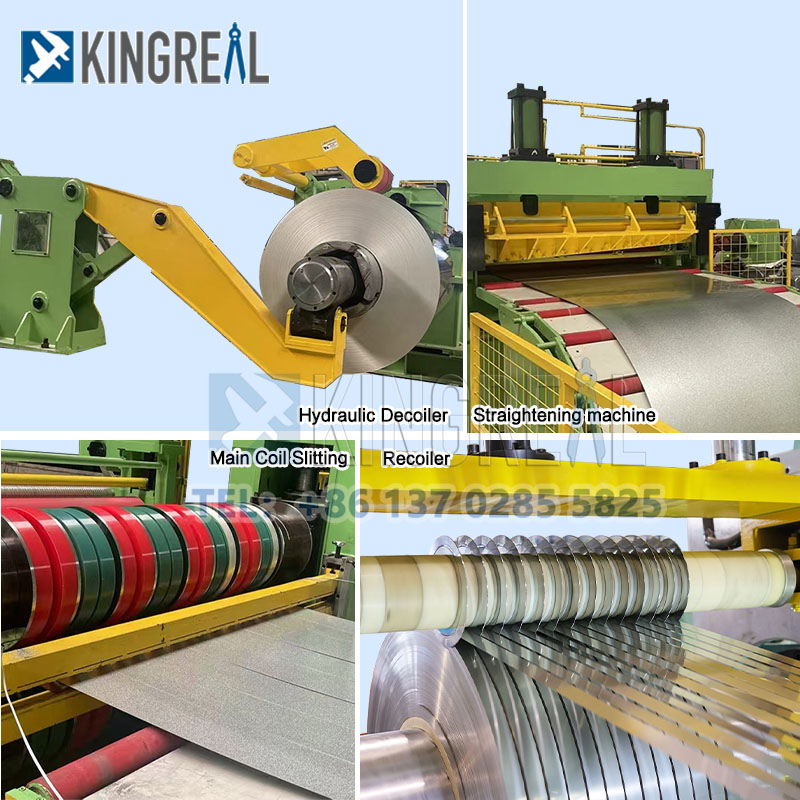
1. Arbor Coaxiality and Maximum Allowable Tolerance This is the cornerstone of physical precision for a stainless steel coil slitting line. High-quality stainless steel coil slitting machine should maintain an arbor face runout of approximately 0.003 mm. During the selection process, request a static offset inspection report from the Factory Acceptance Test. If the axial tolerance is too large, no amount of shim adjustment will enable high-precision slitting of narrow strips.
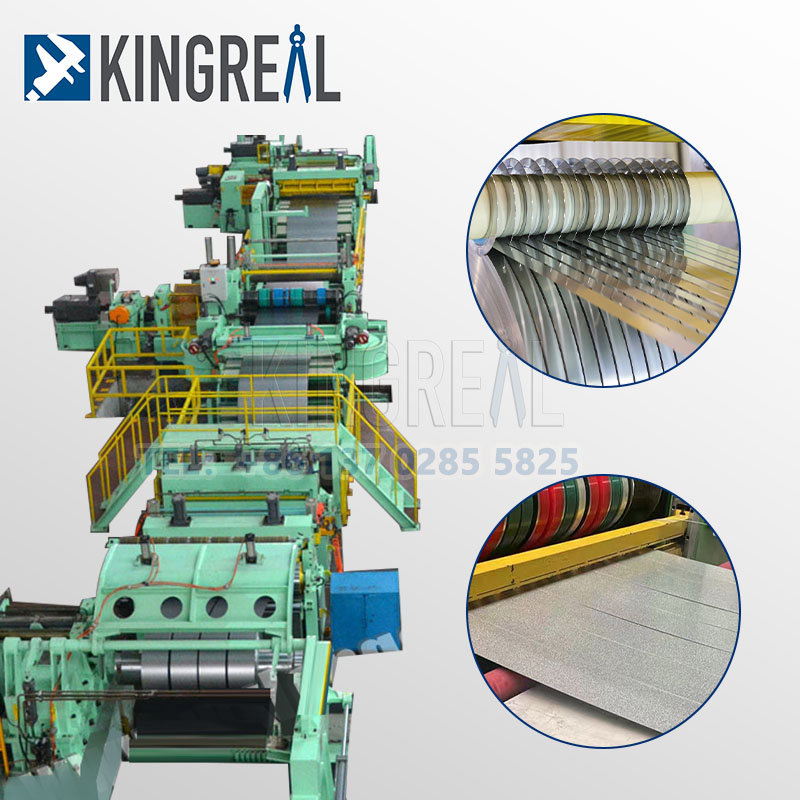
2. Arbor Rigidity and Deflection Resistance Stainless steel offers significant resistance to shearing. Lower-end stainless steel coil slitting lines often utilize thin-walled, hollow arbors; while this reduces costs, it leads to micron-level deflection at the center of the arbor when shearing thick plates or high-hardness materials. This dynamic offset—caused by insufficient rigidity—cannot be corrected through subsequent maintenance. Therefore, it is advisable to prioritize stainless steel coil slitting machines equipped with solid alloy steel arbors that have undergone high-frequency quenching and precision grinding. |
 |
|
3. Precision Shim and Bushing Systems Shims are the medium used to adjust clearances in a stainless steel coil slitting machine. If the thickness tolerance of an individual shim is 0.01 mm, the cumulative offset after installing 20 sets of blades could reach a staggering 0.2 mm. A high-standard stainless steel coil slitting line must be equipped with precision heat-treated shims that have a thickness tolerance controlled within ±0.001 mm.
4. Ease of Use for Rapid Fine-Tuning Mechanisms In production environments characterized by diverse specifications and small batch sizes, frequent disassembly of the arbor significantly reduces machine uptime. Evaluate whether the stainless steel coil slitting machine features hydraulic locking mechanisms or lateral fine-tuning handwheels. Such designs allow operators to compensate for localized blade offset—virtually instantaneously—without requiring a full disassembly of the setup. |
 |
|
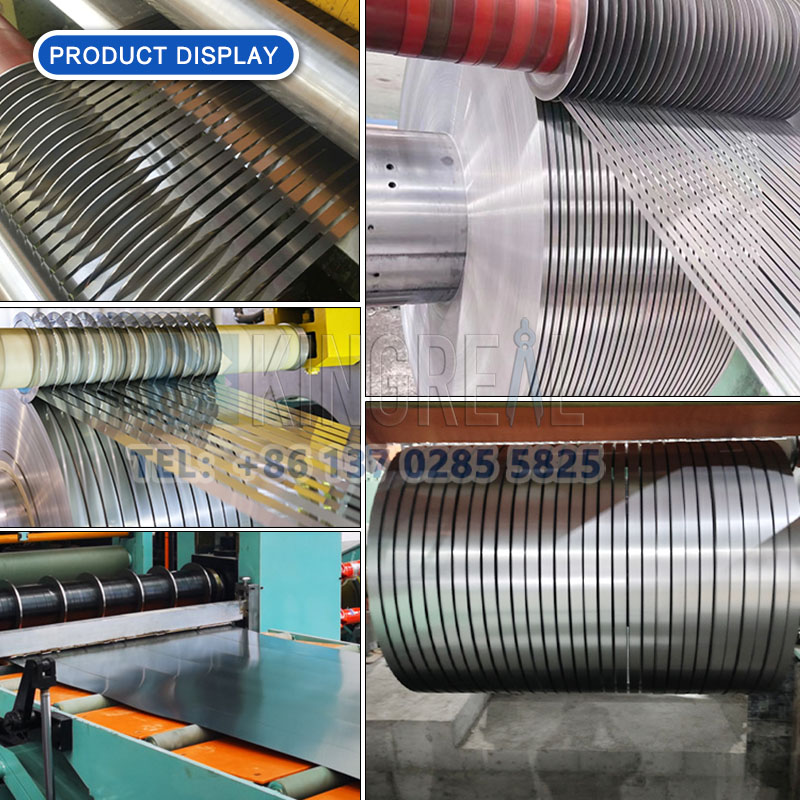
5. Dynamic Offset at Speed Due to centrifugal forces and temperature increases in the bearings, the performance of a stainless steel coil slitting machine at full operating speed (e.g., over 100 m/min) differs significantly from its performance under static conditions. By observing the uniformity of the trim scrap and the tightness of the recoiled coils, one can determine whether the stainless steel coil slitting line maintains a stable blade offset during dynamic operation.
6. Material Grade Matching Variations in hardness between 316L and common 304 stainless steel translate to different tolerances for blade offset. Ask if the supplier offers a reference chart for clearances customized for various material hardness levels and make sure the stainless steel coil slitting machine has enough torque to get over the shear impact produced by high-alloy stainless steels. |
 |
To achieve a near-perfect sheared edge on a stainless steel coil slitting machine, operators must strictly follow this four-step procedure:
Step 1: Establishing Baseline Clearance Based on Material Properties
Before starting the stainless steel coil slitting line, obtain the precise hardness and thickness of the coil. Consult the stainless steel coil slitting machine’s technical manual to calculate the required horizontal clearance and overlap.
Then, select the appropriate precision shims based on these calculations. Using these shims to set the baseline offset within the ideal range prevents premature blade chipping caused by excessive one-sided compression.
Step 2: Correcting Blade Concentricity and Face Wear
If burrs appear to fluctuate periodically while processing a single coil, it is typically a sign that the stainless steel coil slitting line’s blades have worn down or undergone minor plastic deformation. In such cases, attempting to force-compensate by adding more shims is ineffective; instead, the blades must be sent to a precision grinder for reconditioning.
Ensuring the perpendicularity between the blade face and its side is essential for maintaining a stable blade offset over the long term.
Step 3: Inspection and Dynamic Balancing of the Arbor System
When processing high-strength stainless steel over long periods, the bearing seats on the arbors of a stainless steel coil slitting machine may suffer from fatigue-related wear. This wear can cause eccentric deviation during rotation. Maintenance personnel should regularly use a dial indicator to check for arbor runout. If the runout exceeds specified limits, the machine must be shut down so the arbor can be reground and its dynamic balancing recalibrated. A sound arbor system is the foundation for a stable stainless steel coil slitting line.
Step 4: Consistent Securing of Spacers and Separator Discs
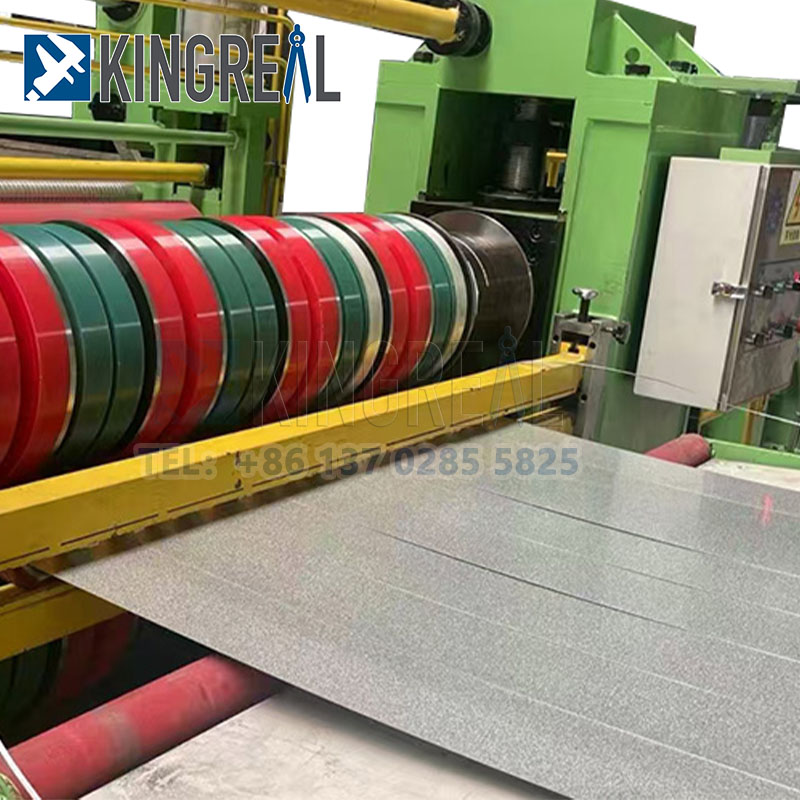
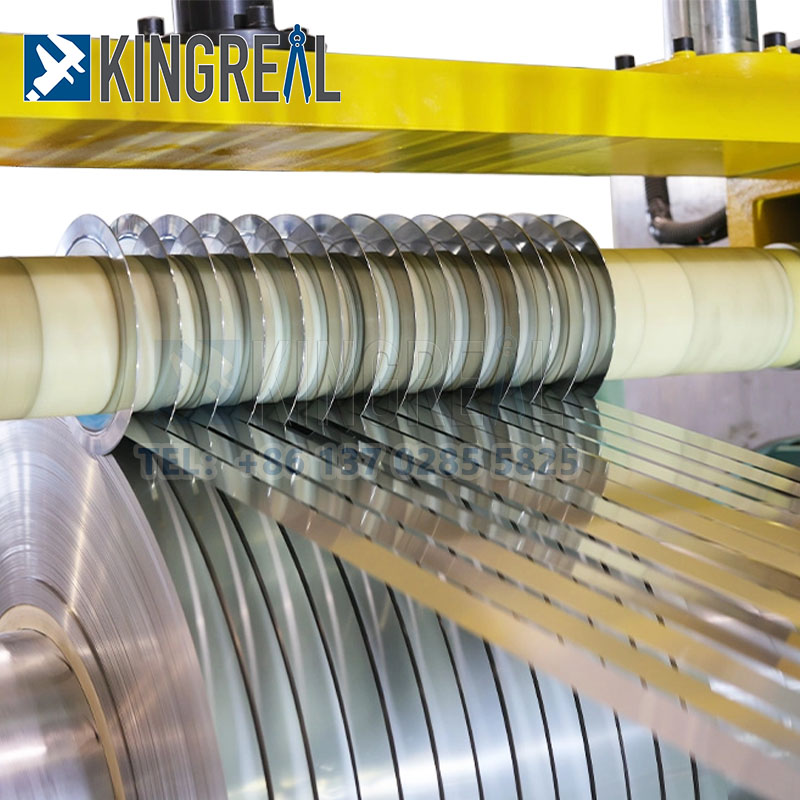
When assembling multiple sets of blades, the role of spacer sleeves—or separators—cannot be overstated; they provide essential lateral support within the stainless steel coil slitting machine.
Make sure the surfaces of these spacers are entirely free of oil, grease, or dirt at installation. A little particle as little as 0.05 mm can cause a blade to tilt under the clamping pressure, therefore creating important axial misalignment. Using high-rigidity spacers helps to firmly close the gaps, hence guaranteeing ongoing accuracy throughout large-volume manufacturing.
 |
 |
If you are looking for a highly stable stainless steel coil slitting line optimized for the unique requirements of processing stainless steel—or if you are currently struggling with issues like edge burrs or frequent blade chipping—please contact KINGREAL STEEL SLITTER directly.
With over 20 years of expertise in metal slitting technology, the KINGREAL STEEL SLITTER team offers:
-Customized technical solutions for stainless steel coil slitting lines.
-Professional training on precise blade clearance and offset control.
-Recommendations for high-performance slitting knives and precision shims.
Reach out to KINGREAL STEEL SLITTER today to take your stainless steel processing precision to the next level!