|
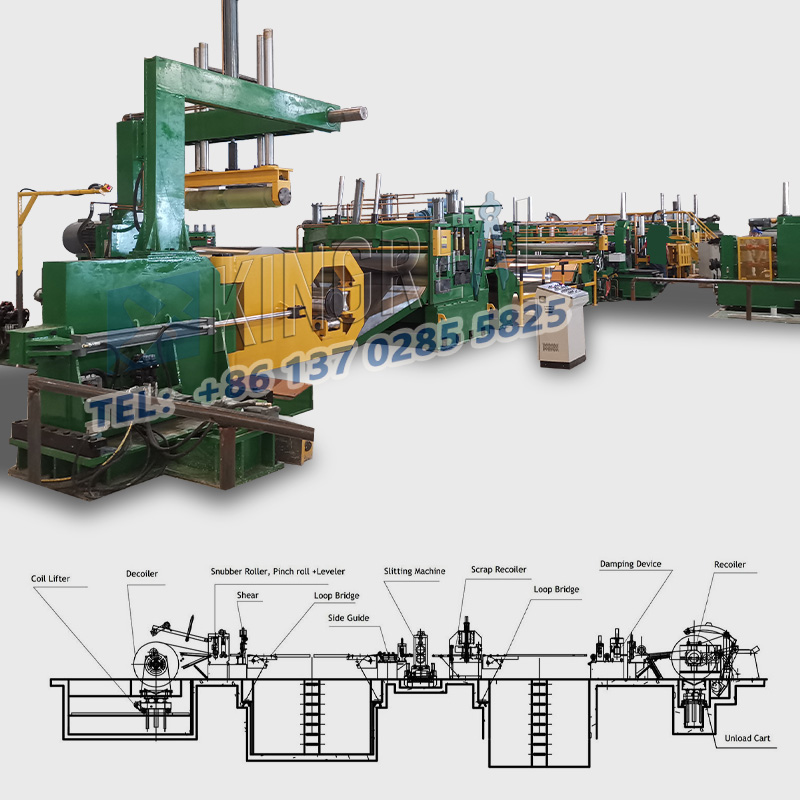
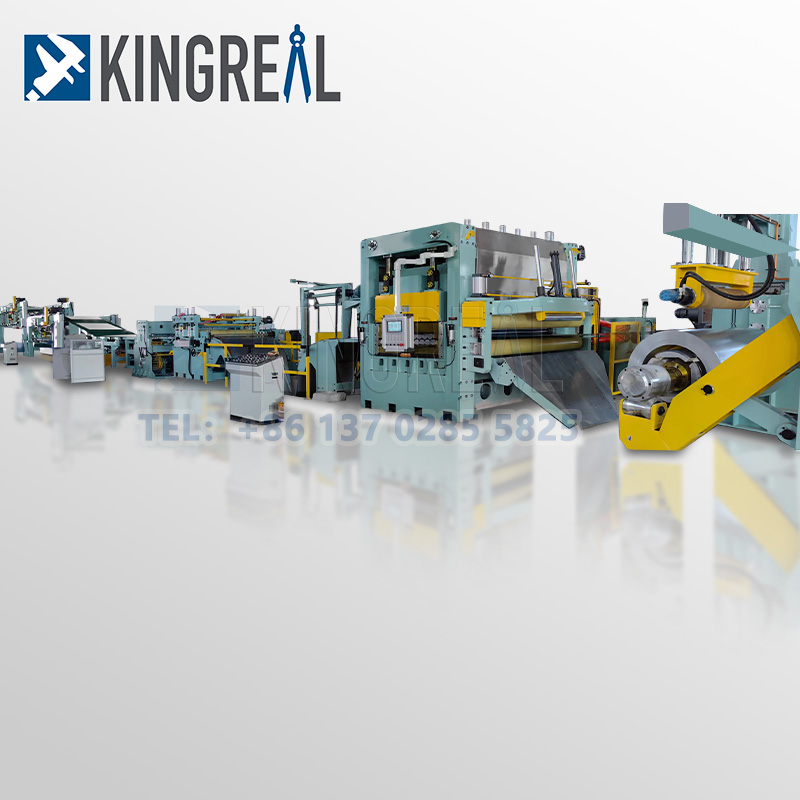
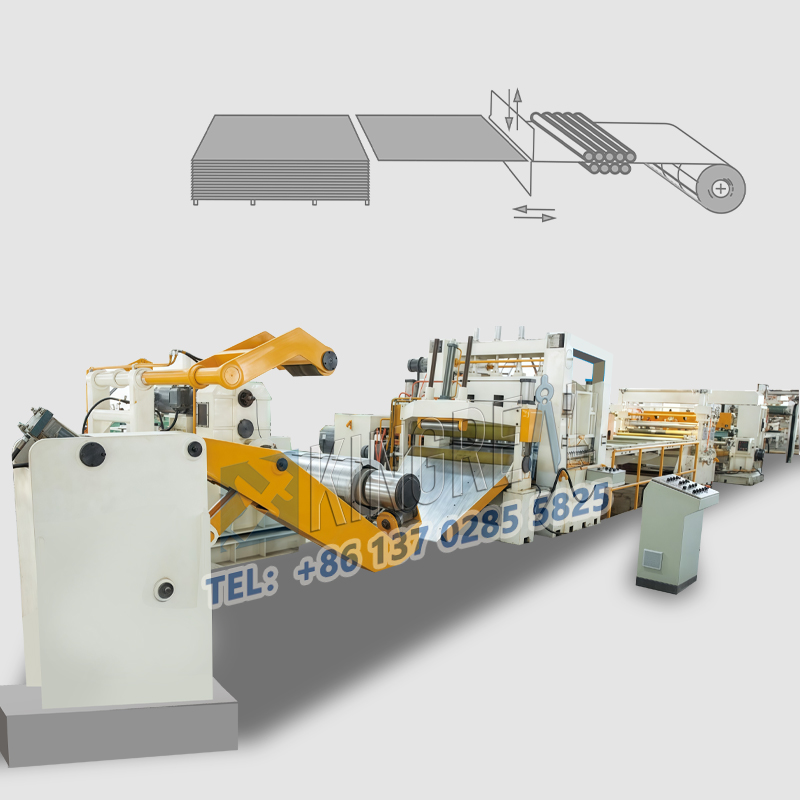
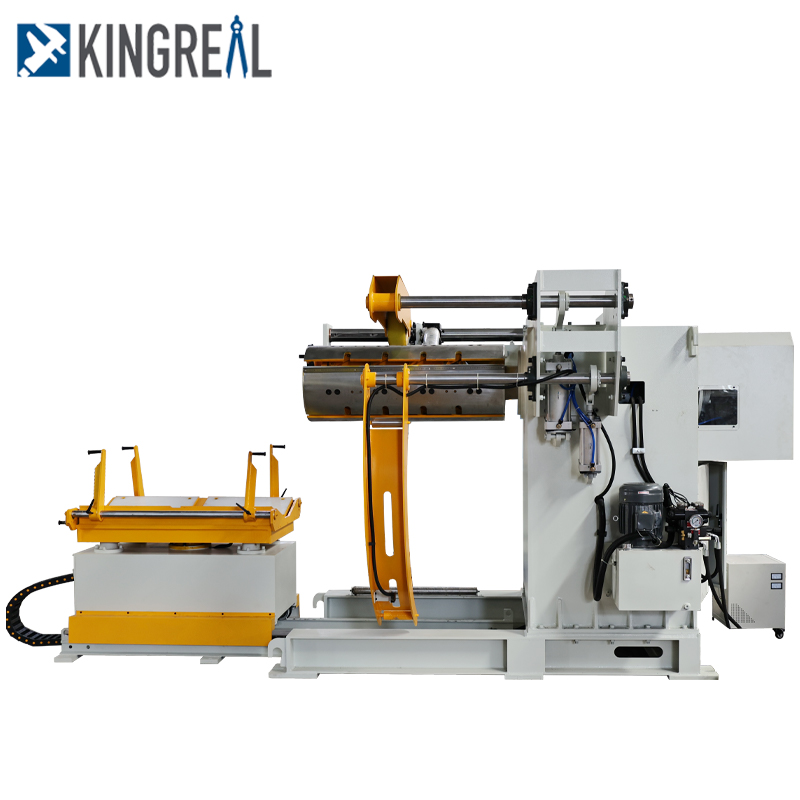
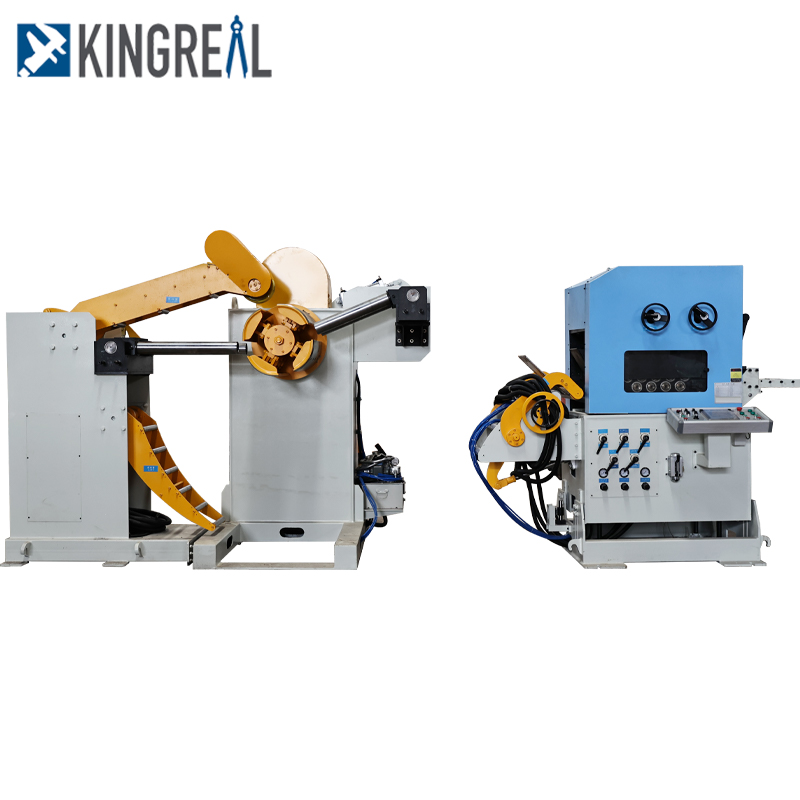
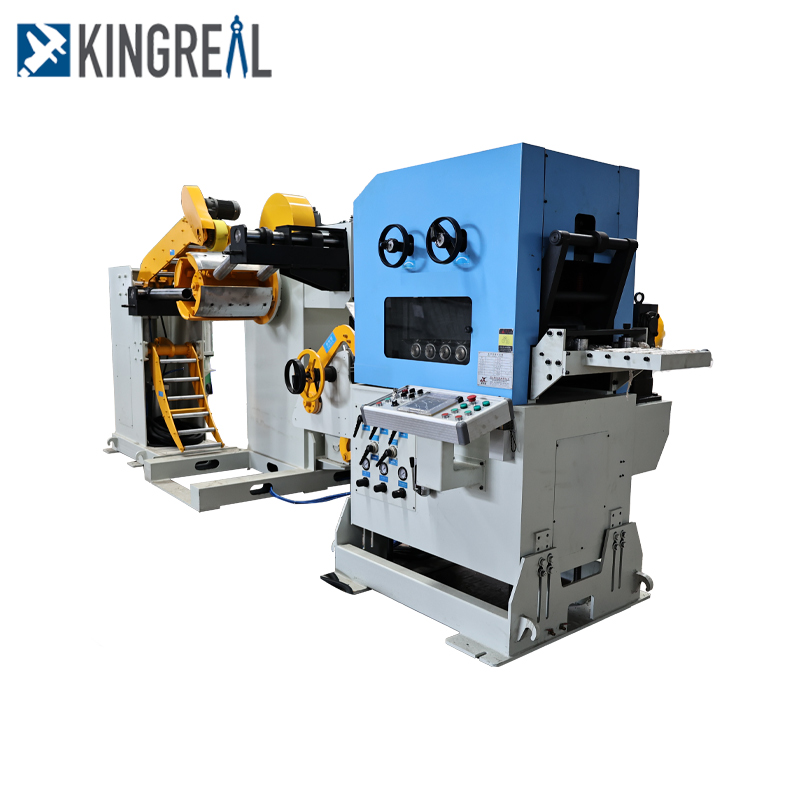
In the metalworking industry, a coil feeder machine system serves as the core infrastructure for achieving automated production. Such a coil feed system typically integrates three primary functional modules: a decoiler, a straightener, and a feeder. Its main purpose is to uncoil metal coils, flatten the material to relieve internal stress, and feed it into downstream production lines with precise, consistent, and pre-set step increments.
When selecting an appropriate coil feeder machine system, companies must carefully evaluate key technical specifications, including coil weight, OD, ID, material width, thickness range, feed step length, required line speed, feeding precision, and the specific type of material being processed.
As a vital solution for optimizing coil processing and enhancing production efficiency, the performance of a coil feed system directly dictates the precision of the finished products and the operational stability of the entire production line.
Whether handling steel, aluminum, copper, or other alloys, these seamlessly integrated automated processes ensure high performance and reliability. Given their high compatibility with roll forming machines, high-speed stamping lines, and laser-cutting systems, coil feeder machine systems are in high demand across the automotive, home appliance, hardware, and construction materials sectors. |
 |
1. Material Specifications
When evaluating a coil feeder machine system, the material to be processed is the primary consideration. Because different metals possess vastly different physical properties, no single feeding system is inherently capable of handling every type of metal.
-Material Grade and Strength: It is essential to determine the material's tensile strength and yield strength. High-strength steel (HSS), for instance, places greater demands on the straightener’s load capacity and the feeder’s drive torque.
-Sheet Specifications: This includes the minimum and maximum thickness and width of the material. Thicker sheets require straightener rollers with larger diameters, while thinner sheets necessitate measures to prevent edge deformation during the feeding process.
-Surface Requirements: For mirror-finish stainless steel, coated sheets, or aluminum panels, the rollers of the coil feed system must undergo special treatment—such as chrome plating or rubber coating—to prevent surface scratching.
-Coil Curvature: The material’s initial internal stress and coil set (memory of the curvature) dictate the number and configuration of the leveling rollers.
2. Coil Parameters
-Coil Weight and Center of Gravity: The decoiler must be capable of supporting the maximum designed coil weight while maintaining a stable center of gravity to prevent vibration during high-speed rotation.
-ID and OD: The expansion/contraction range of the decoiler must accommodate the coil’s inner diameter, while the outer diameter limits must align with the available loading space in the facility.
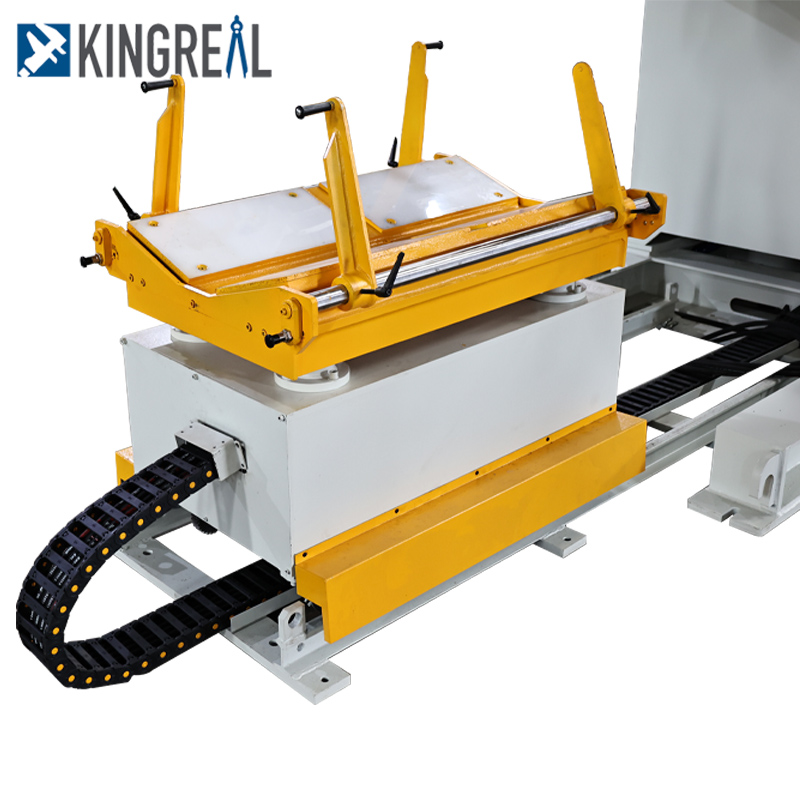
-Loading Method: Depending on production frequency, loading can be performed manually or via an automated coil trolley. The latter significantly reduces downtime during coil changes, thereby enhancing the overall efficiency of the coil feed system.
3. Press and Die Parameters
The coil feeder machine system must be highly synchronized with the downstream stamping press or forming machine.
-Press Model and Signal Integration: The coil feed system must communicate with the press—typically via cam signals or encoder feedback—to ensure that material feeding occurs only when the ram has cleared the die.
-SPM: The feed rate must match the continuous operating frequency of the press.
-Feed Pitch and Pilot Pins: If the die utilizes pilot pins, the feeder must feature a "release" function; this momentarily relieves pressure as the pilot pins enter the material holes, allowing the material to shift slightly for precise positioning.
-Passline Height: The exit height of the coil feeder machine system must align perfectly with the die’s feed opening; an electric height-adjustment system should be incorporated if necessary.
 |
 |
 |
4. Finished Part Requirements
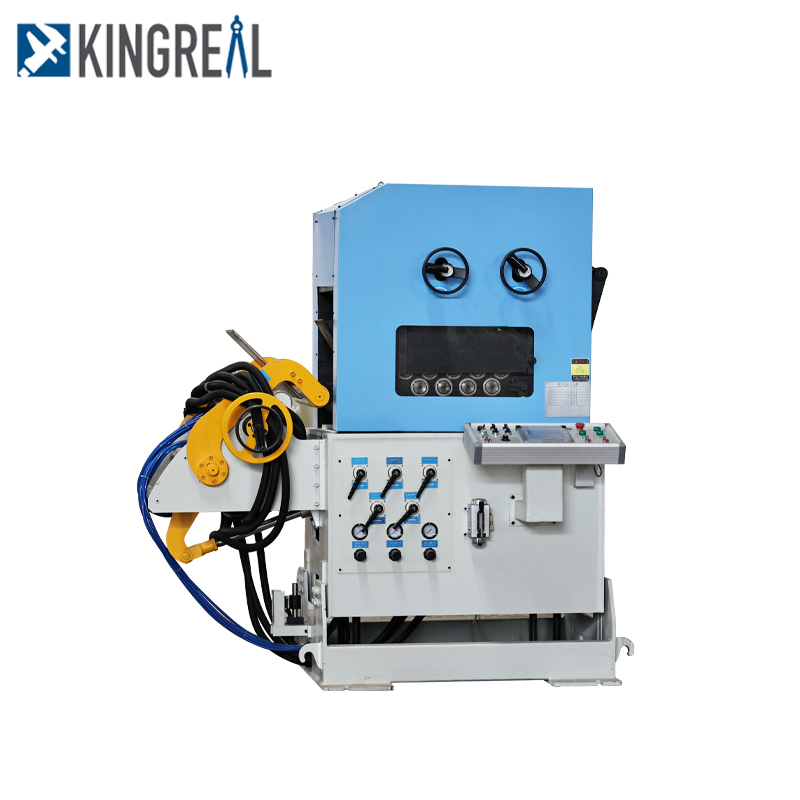
-Flatness: If the downstream process demands high flatness, a precision leveler should be used. This typically includes multiple sets of backup rollers to prevent the leveling rollers from deflecting or deforming under pressure.
-Feeding Precision: Servo-driven coil feed systems can typically achieve a step-feed accuracy of ±0.05 mm or even higher.
-Acceptance Criteria: The allowable cumulative error range at a specific line speed should be clearly defined, serving as a core benchmark for the Factory Acceptance Test.
5. Workshop Layout
Physical constraints on the production floor will influence the selection logic for a coil feeder machine system.
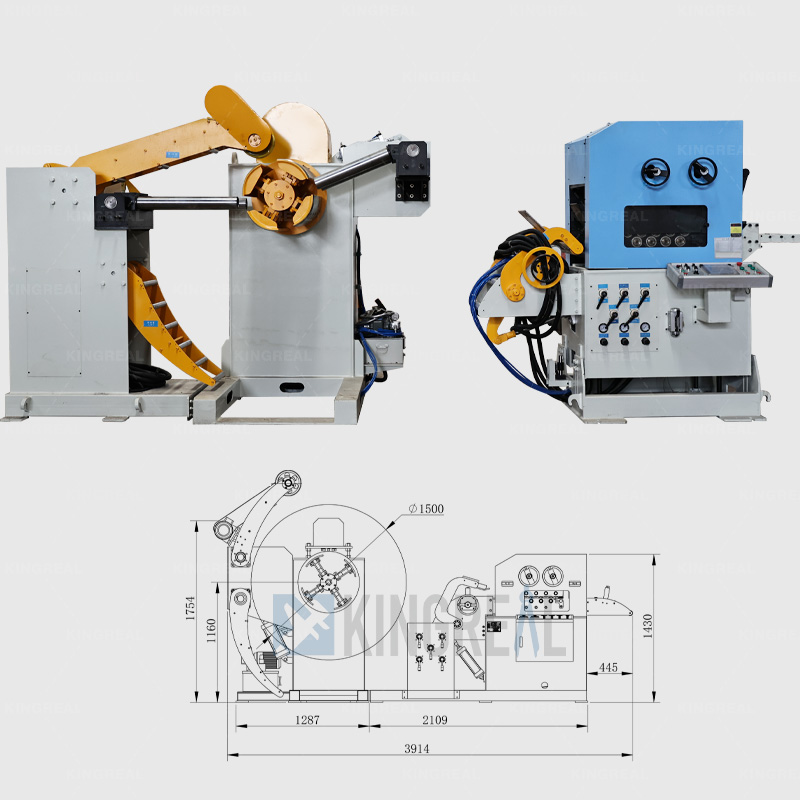
-Space Footprint: Traditional, long-format feeding lines—comprising separate decoilers, straighteners, and material loops—require significant floor space. In facilities with limited space, a compact coil feed system is the preferred choice.
-Feeding Direction: The process layout dictates whether the material flow should be from left to right or right to left.
-Loop Pit Requirements: For high-speed production, the potential need for a loop pit—to accommodate a sufficient material buffer—is a critical civil engineering consideration.
6. Changeover Requirements and Efficiency Goals
For production models characterized by high variety and small batch sizes, the flexibility of a coil feeder machine system is paramount.
-Coil Changeover Time: Consider features such as hydraulic quick-change mechanisms and automatic material threading.
-Recipe Storage: The PLC control system should be capable of storing hundreds of material parameter sets to enable one-touch production changeovers.
-Tail-end Material Handling: The coil feed system design should aim to minimize scrap at the end of a coil, thereby maximizing material utilization.
-Downtime Targets: Evaluate the coil feeder machine system’s mean failure rate during continuous operation, as well as the ease of maintenance.
As a global leader in metal processing equipment, KINGREAL STEEL SLITTER offers a diverse range of coil feed systems tailored to the specific needs of various industries:
-Simplified Coil Feed System Solutions: Designed for lightweight materials, low-tonnage stamping, or cost-sensitive projects, these systems—consisting of a decoiler and a servo feeder—provide an economical and reliable solution for coil material processing.
-Precision Coil Feed System Solution: Designed for industries with stringent flatness requirements, this coil feeder machine system features a multi-roller precision leveling mechanism that effectively eliminates internal material stress and transverse warping.
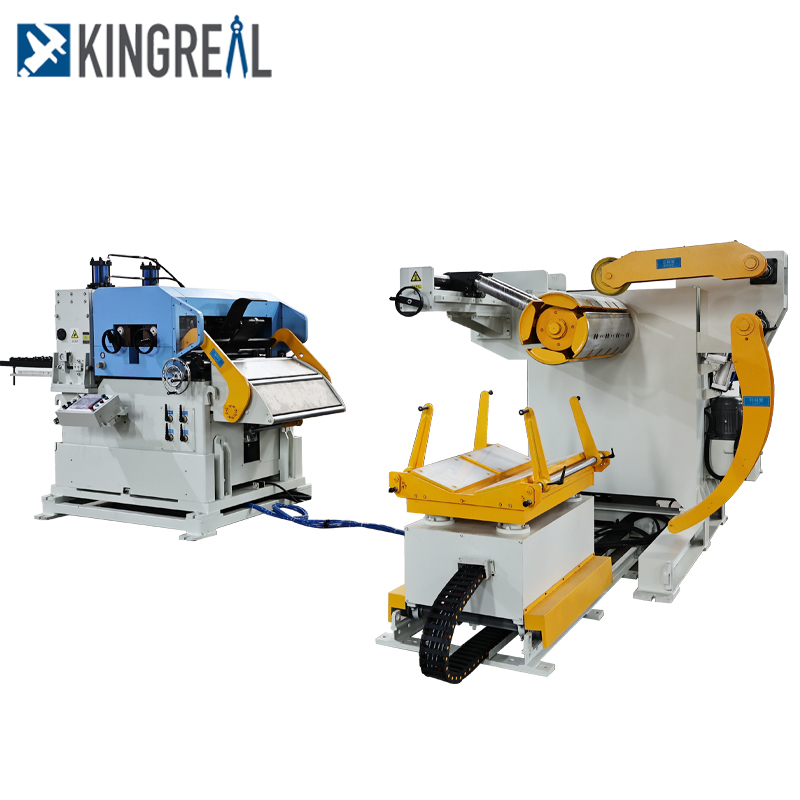
-Compact Coil Feed System Solution: Integrating decoiling, leveling, and feeding into a single frame, this solution significantly reduces production line length and enables highly integrated, synchronized control across all process stages—making it the preferred choice for modern precision stamping facilities.
-Heavy-Duty Coil Feed System Solution: Engineered with exceptional load-bearing capacity and structural rigidity, this coil feed system is purpose-built for handling wide, thick, and ultra-high-strength steel coils, making it ideal for automotive structural components and large-scale heavy industrial production lines.
 |
 |
 |
For customized technical solutions, detailed specification sheets, or price quotes regarding coil feed systems, please contact the expert team at KINGREAL STEEL SLITTER.
KINGREAL STEEL SLITTER is dedicated to providing the most efficient coil processing solutions to clients worldwide!