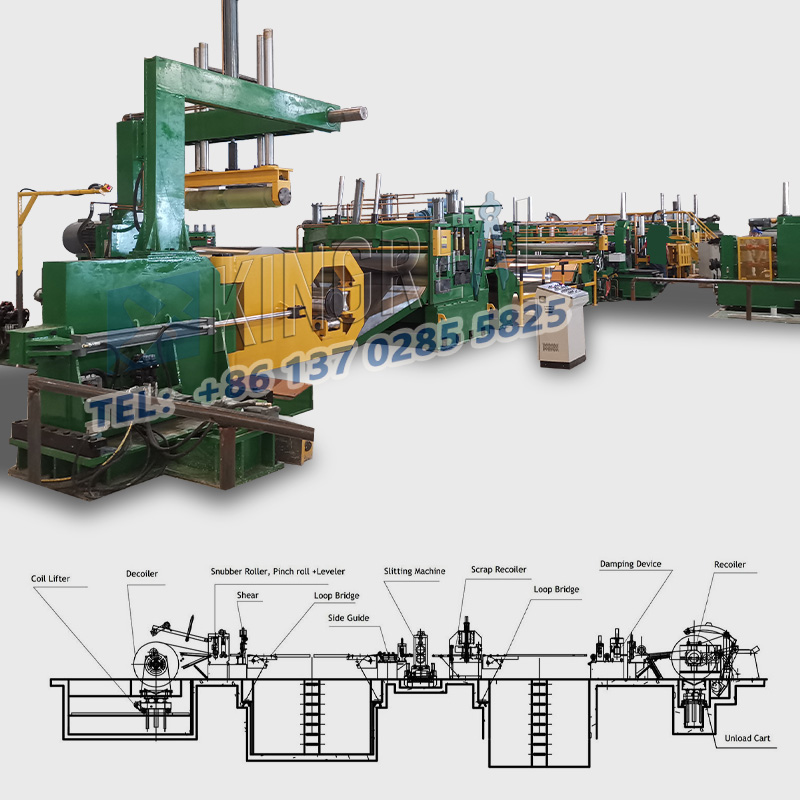
In the coil processing industry, selecting an appropriate automatic cut to length line is a complex capital expenditure decision. However, many buyers focus too heavily on the initial purchase price during the evaluation process, often overlooking critical long-term operational variables—such as residual internal stress in the material, cutting precision errors, and the maintenance costs associated with unplanned downtime.
The primary objective of investing in an automatic cut to length machine is not merely to cut metal, but to consistently produce high-precision metal blanks of specific lengths. As the raw material for subsequent processes—such as stamping, bending, or welding—the quality of these blanks directly determines the yield rate of the final products.
Therefore, a buyer’s checklist rooted in technical logic is essential for ensuring a solid return on investment.
1. Technical Inspection of Core Machine Modules
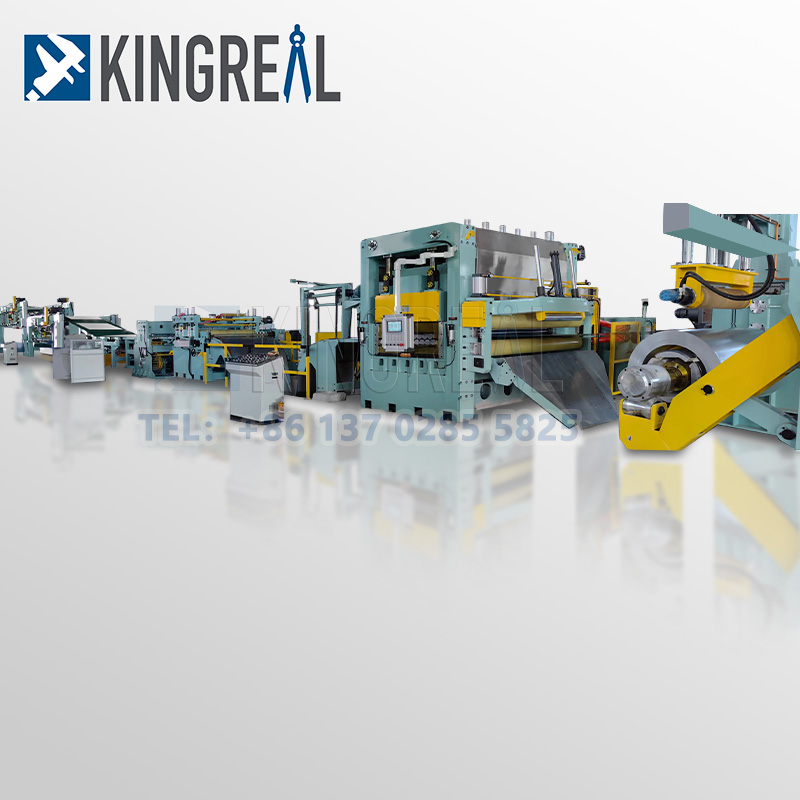
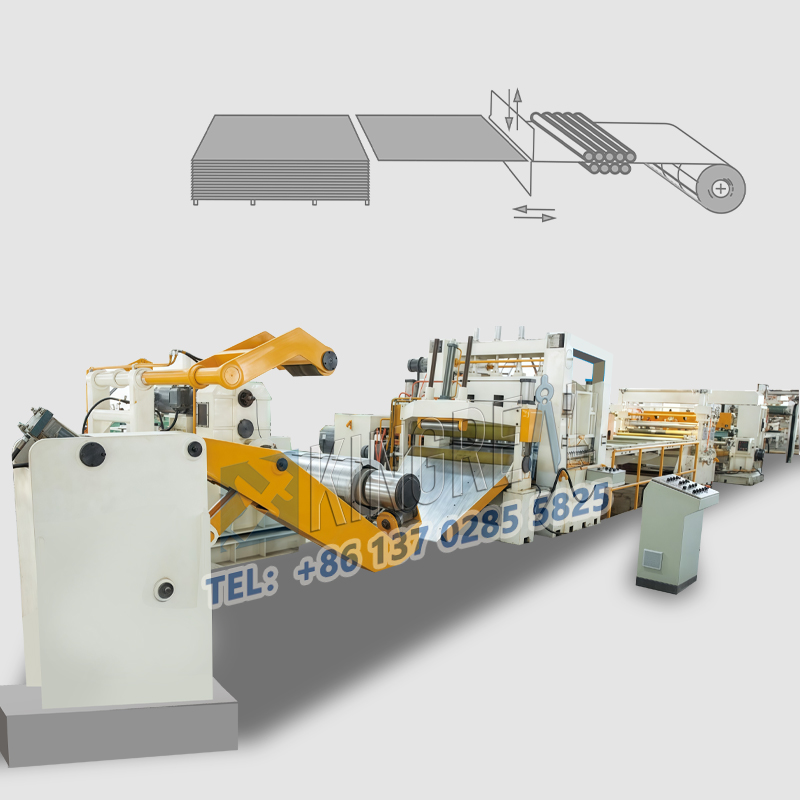
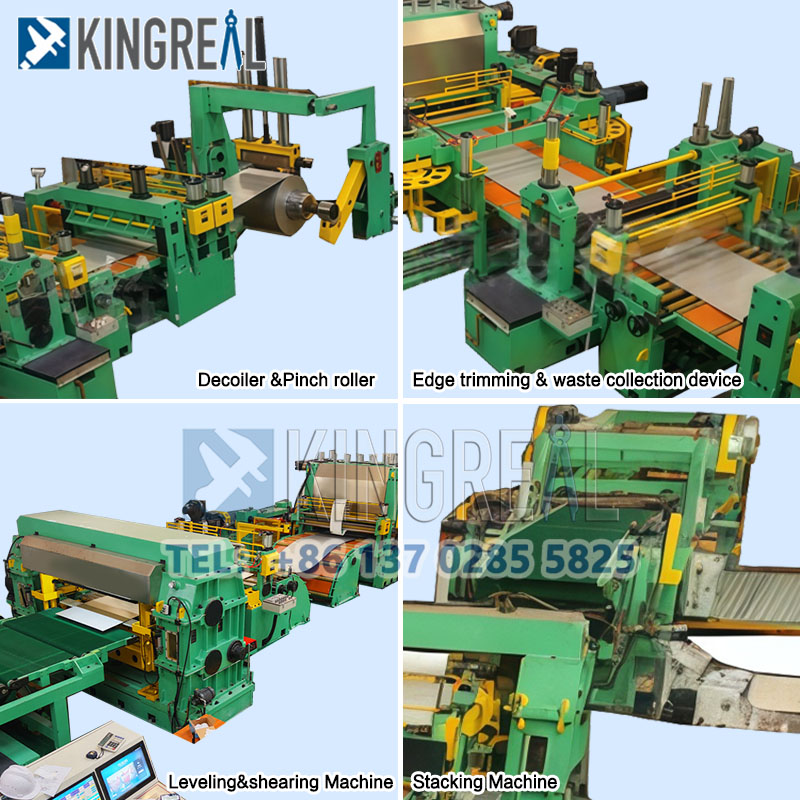
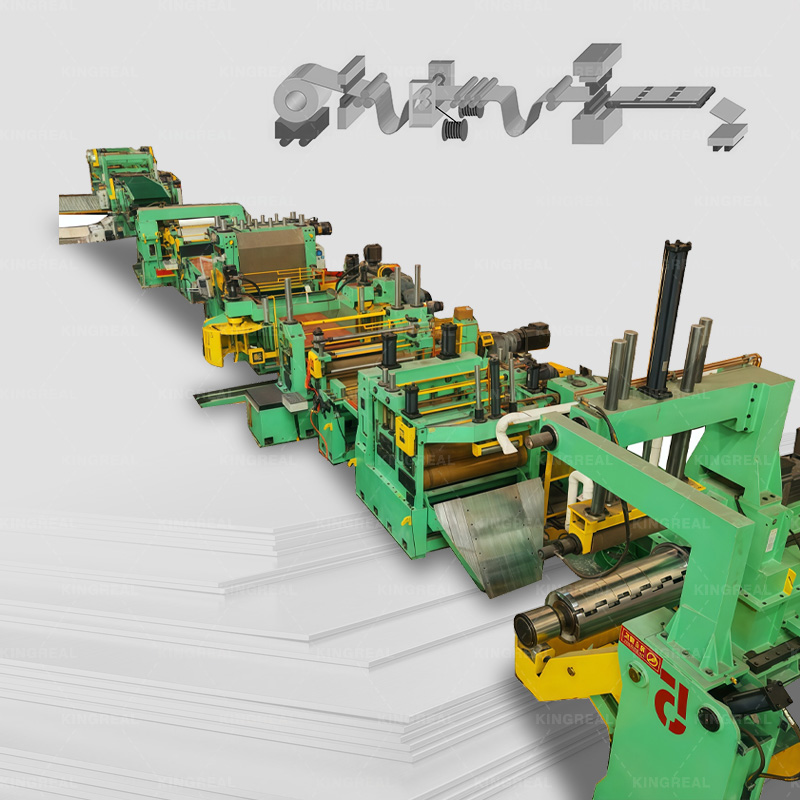
A high-performance automatic cut to length line typically consists of four core modules: uncoiling, leveling, cutting, and stacking. The configuration details of each stage dictate the final physical characteristics of the processed material.
Uncoiling
At the entry point of an automatic cut to length machine, the automatic decoiler must prioritize load-bearing stability and tension control.
For heavy coils, the system should be equipped with hydraulic support devices and hold-down arms to prevent the material from loosening during high-speed unwinding.
Furthermore, precise tension control is vital to prevent tracking errors—a prerequisite for ensuring the perpendicularity of the subsequent cuts.
Leveling
Metal coils accumulate significant internal stress during production and storage. If this stress is not thoroughly eliminated, the cut blanks may experience spring-back, warping, or deformation during subsequent processing.
●4-Hi Configuration: Suitable for applications requiring standard precision.
●6-Hi Configuration: By incorporating backup rolls to enhance the rigidity of the work rolls, this design allows for more refined compensation of transverse waviness and center-buckling in the material.
An automatic cut to length line featuring a 6-Hi leveling structure is capable of achieving a superior level of flatness.
Cutting
Modern automatic cut to length machines typically employ fully automated PLC control systems. By using servo motors to drive the material feed to a precise length, these systems can achieve length tolerances of ±0.2 mm or even tighter.
Automation minimizes random errors caused by manual intervention, while touchscreen interfaces allow for rapid adjustments to cutting lengths—perfect for production models characterized by high product variety and small batch sizes.
Stacking
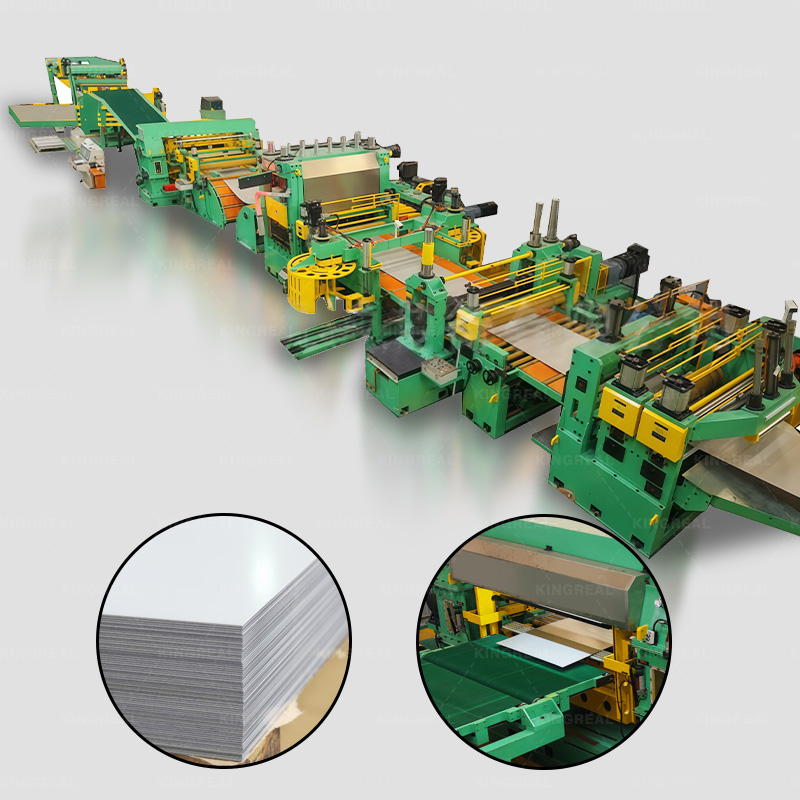
An efficient automatic cut to length line must be paired with a precision stacking system. Whether utilizing an open-style or gantry-style stacker, the objective is to ensure that the edges of the sheets are perfectly aligned. This not only eliminates the significant labor costs associated with manual stacking but also facilitates direct loading and transport via forklifts or overhead cranes.
 |
 |
2. Advanced Option: Laminating Device
For industries with stringent surface quality requirements—such as those processing stainless steel, aluminum, or pre-painted steel—the surface protection capabilities of an automatic cut to length machine are a critical evaluation criterion.
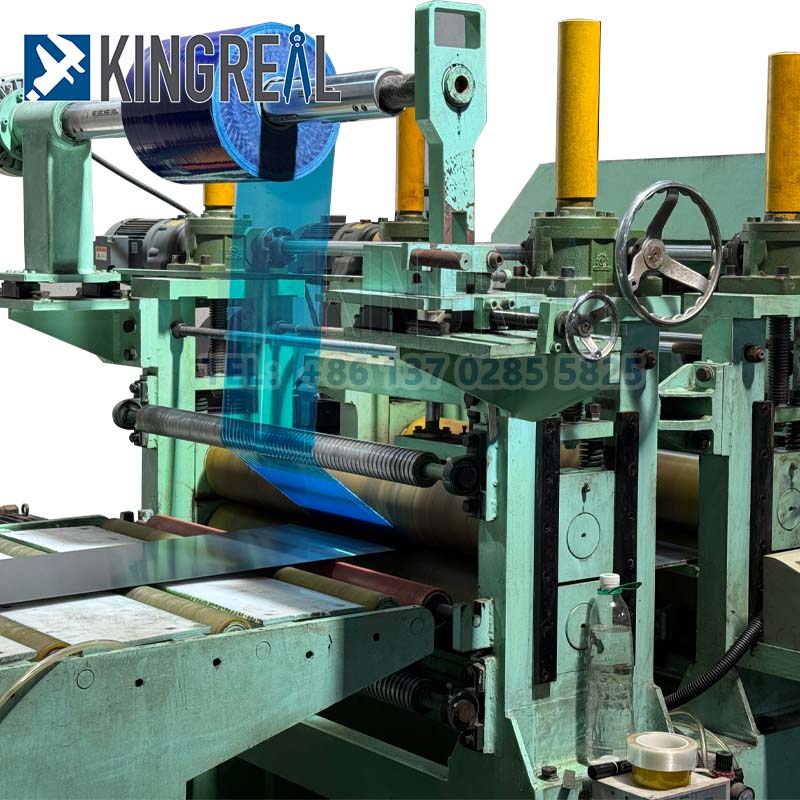
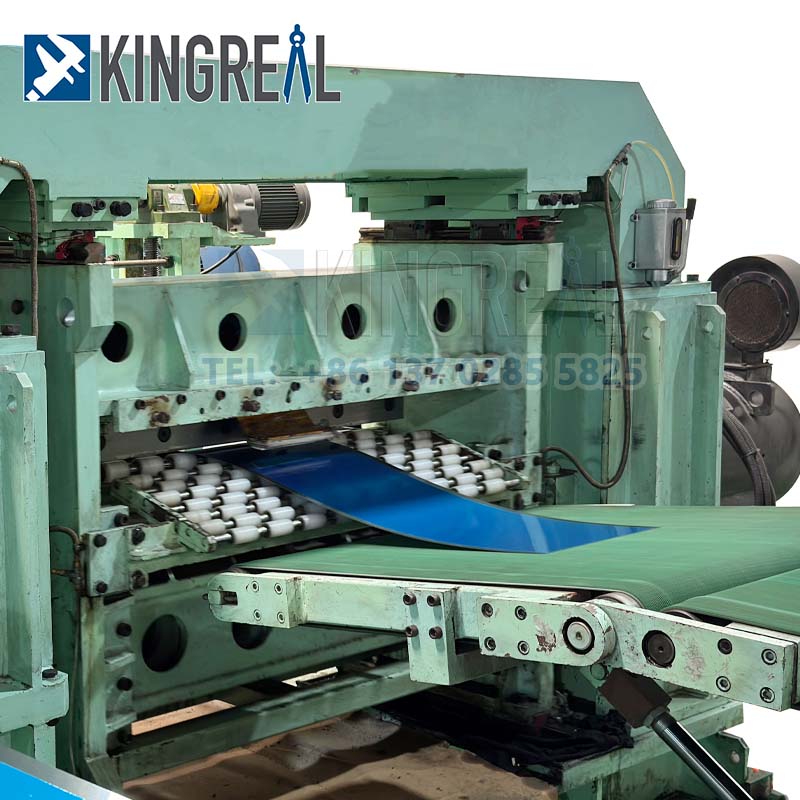
Advanced automatic cut to length lines are often equipped with an automatic laminating device. Before entering the cutting unit, the material is automatically covered with a protective film on both its top and bottom surfaces.
This design ensures that the material remains free from scratches—which could otherwise be caused by friction against mechanical components—during the leveling, high-speed transport, and automated stacking processes. The ability to deliver high-end sheets with a flawless surface significantly enhances a product's market competitiveness.
 |
 |
3. Flying Shear, Stop-to-Cut, or Swing Shear?
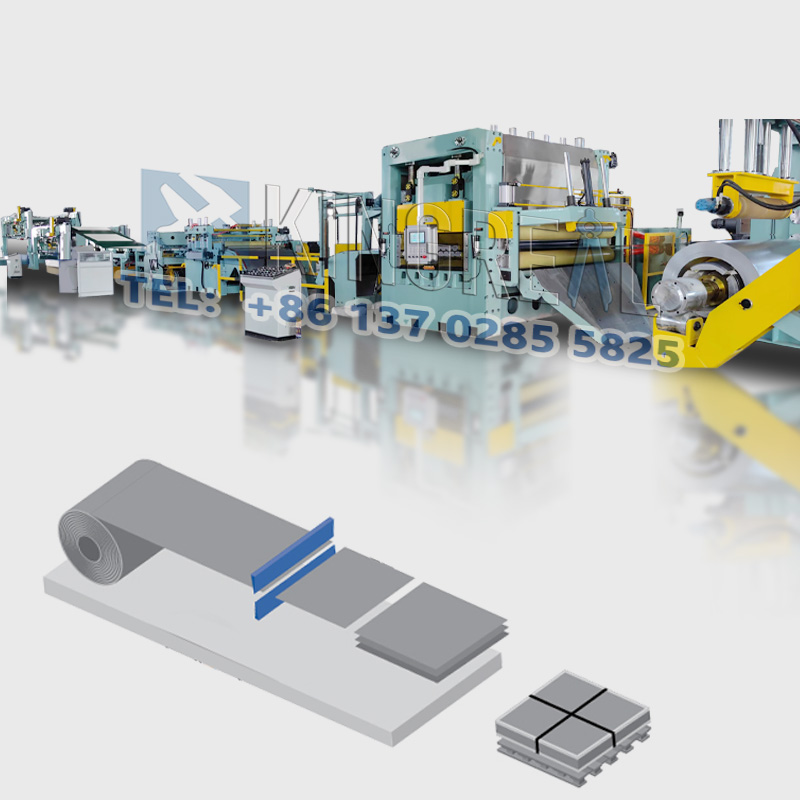
When selecting an automatic cut to length machine, the choice of cutting method directly impacts both production throughput and the required investment budget.
 |
 |
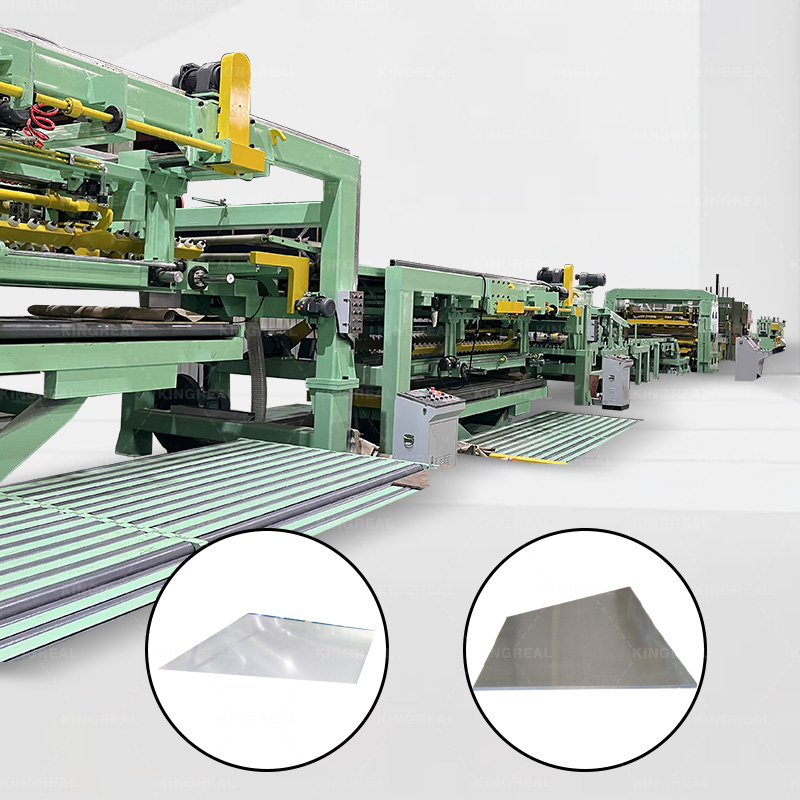 |
Start-Stop Shear: The material comes to a complete stop at the moment of cutting. This configuration is exceptionally robust and is particularly well-suited for processing thick plates (e.g., 6 mm or greater).
Flying Shear: The material continues to move forward during the cutting process, with the shear unit moving in synchronization with the material to complete the cut. A flying shear-based automatic cut to length line is the ideal choice for high-throughput requirements involving thin to medium-thickness sheets, as it significantly reduces cycle times.
Swing Shear: By allowing for precise control over the cutting angle, a swing shear is capable of more than just vertical cutting; it can also produce sheets in various shapes, such as parallelograms and trapezoids. This flexibility is highly valued in the automotive industry, particularly for the production of blanks used in vehicle body panels.
4. A Hidden Evaluation Criterion: Delivery Certainty
For investors, the lead time for an automatic cut to length line—along with the machine’s initial reliability—represents a hidden cost that is often overlooked.
Failure to deliver a automatic cut to length machine on schedule can cause delays in a client’s project timeline, resulting in significant financial losses. At KINGREAL STEEL SLITTER, the entire process—from manufacturing and assembly to electrical commissioning—is carried out in-house. By avoiding reliance on external subcontractors, we maintain end-to-end control over the production cycle.
Furthermore, every automatic cut to length line undergoes rigorous Factory Acceptance Testing before shipment. This ensures that once the automatic cut to length machine arrives at the client’s site, it requires only basic wiring and installation to begin production, thereby minimizing commissioning risks for overseas projects.
Investing in an automatic cut to length line is more than just purchasing a machine; it is choosing a long-term solution for metal processing.
If you are unsure about how to configure your automatic cut to length machine, please contact KINGREAL STEEL SLITTER. Our team of engineers will work with you to develop an optimized production line layout, tailored specifically to your material characteristics and output goals.