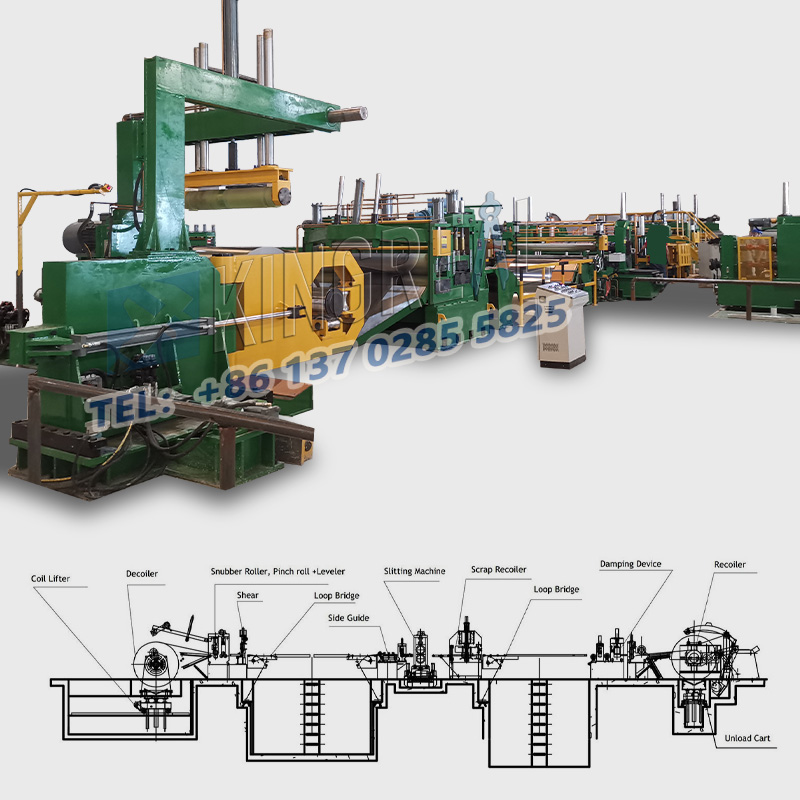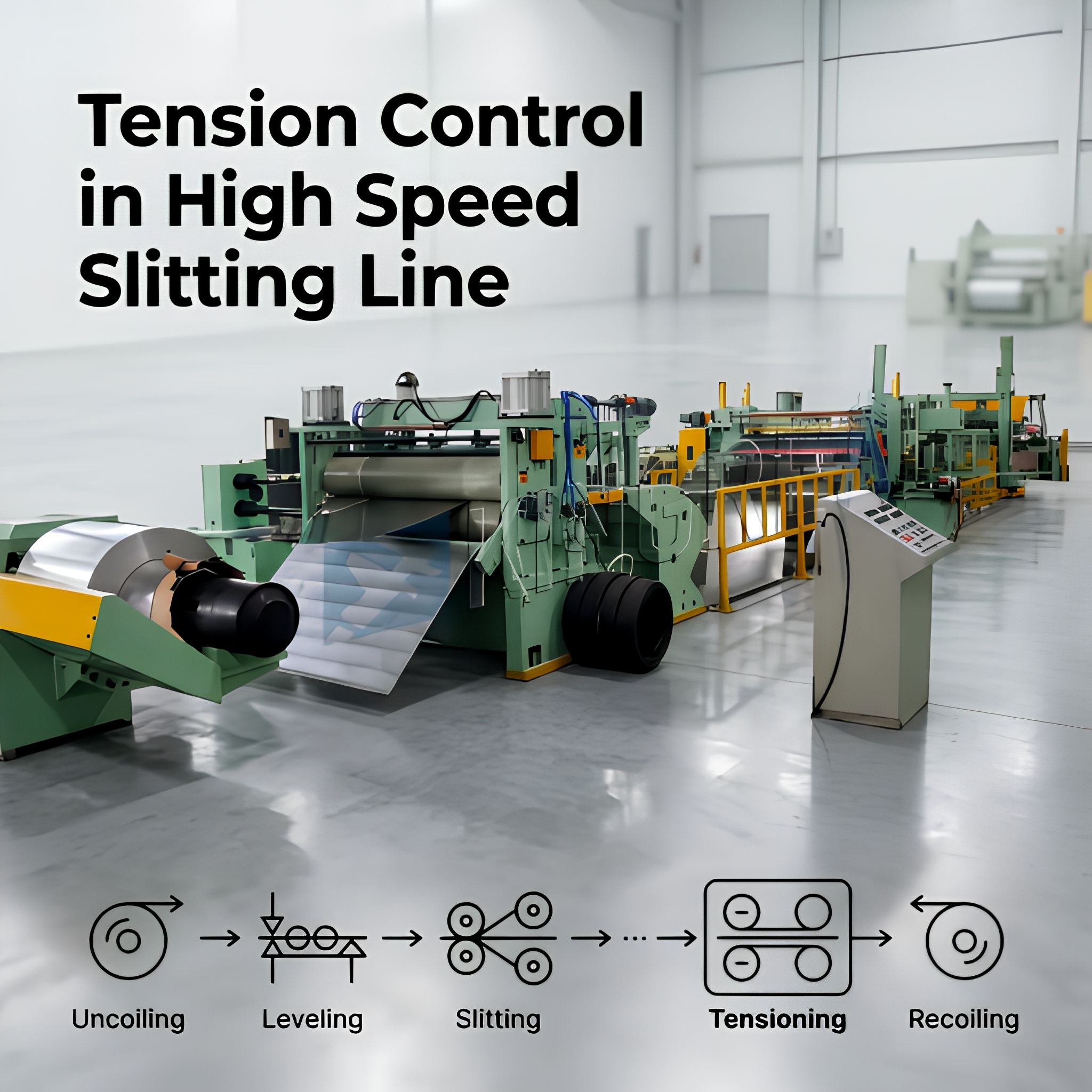
In the metal processing industry, high speed slitting lines enable the precise longitudinal cutting of strip materials and are widely used for the fine processing of various metal coils, such as steel sheets, aluminum sheets, and stainless steel strips. Compared to standard metal coil slitting machines, high speed coil slitting machines can reach operating speeds of up to 230 m/min.
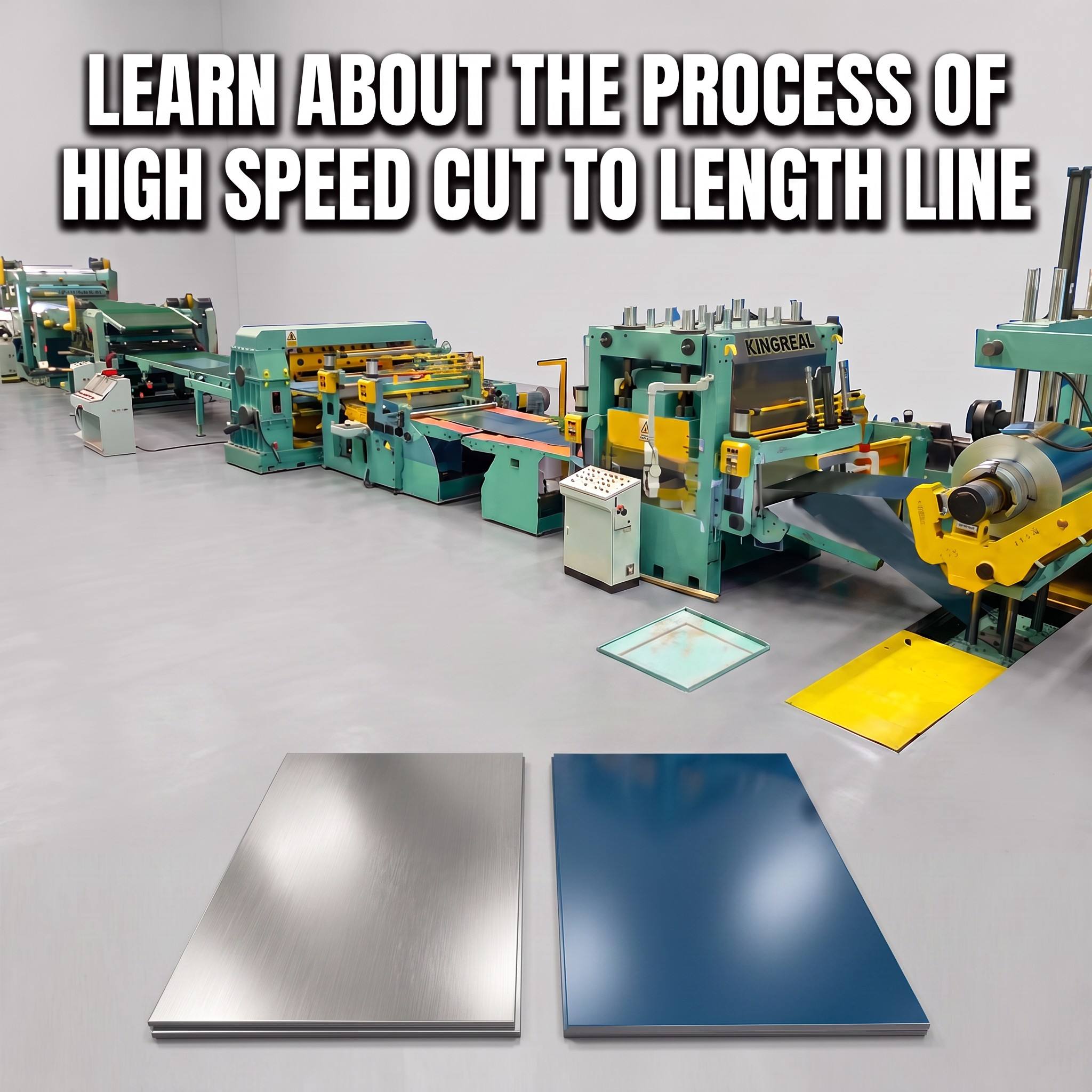
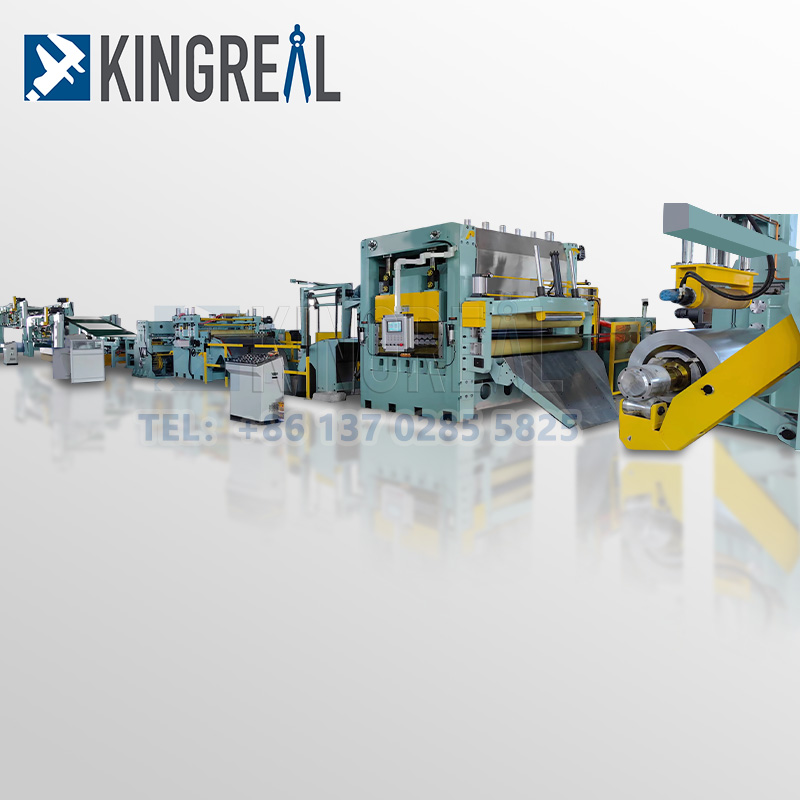
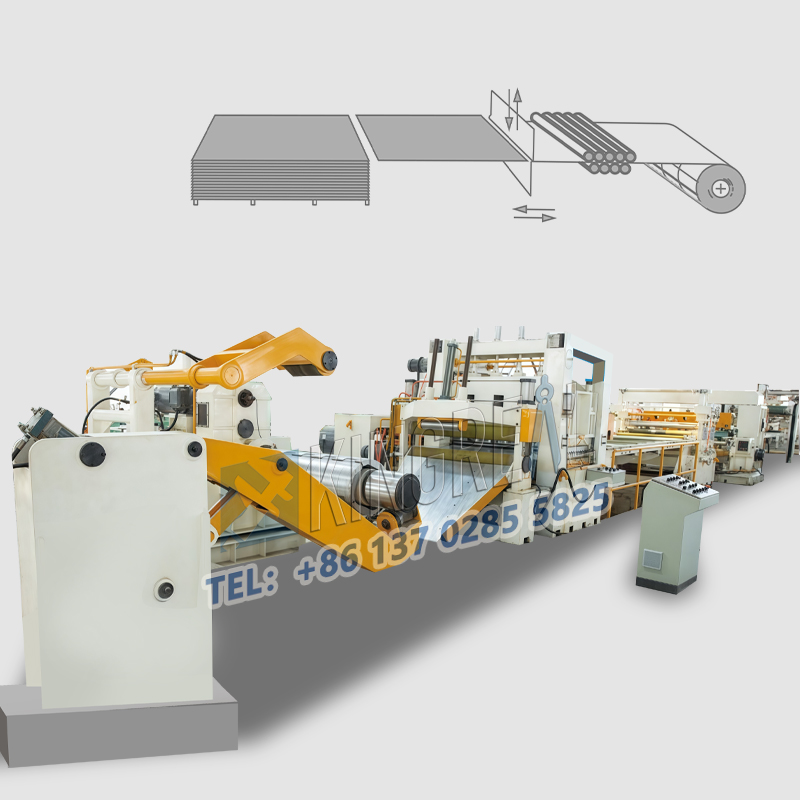
In the sheet metal processing industry, high speed cut to length lines enhance productivity and reduce costs through their efficiency, precision, and automation, making them suitable for sectors such as modern sheet metal fabrication, steel structure manufacturing, and hardware production. A high speed cut to length machine can achieve processing speeds of up to 80 m/min, handling the entire workflow—from uncoiling large metal rolls and leveling to precision shearing and automatic stacking—in a single, integrated process. Furthermore, these high speed cut to length lines offer exceptional versatility, accommodating a wide range of materials such as steel, stainless steel, aluminum, galvanized sheet, cold-rolled sheet, and copper, thereby covering the vast majority of small-to-medium-scale metal processing applications.
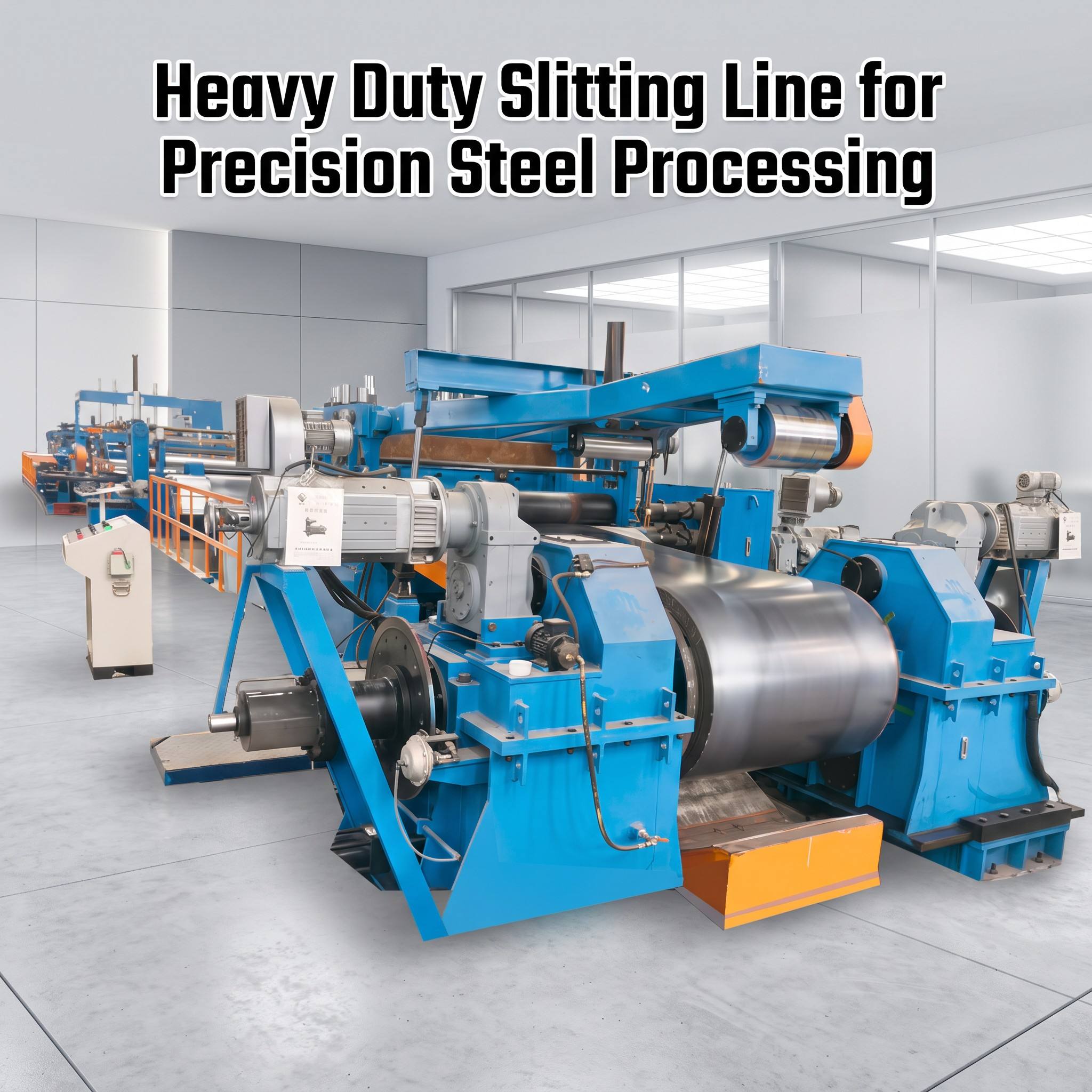
KINGREAL STEEL SLITTER has independently developed and designed a heavy duty slitting line capable of reliably performing precise slitting on steel materials ranging from 6mm to 16mm in thickness, enabling standardized, high-precision processing. The application of this high-performance heavy gauge slitting line ensures quality control at the source, directly determining the forming quality, processing costs, and market competitiveness of downstream heavy industrial products.
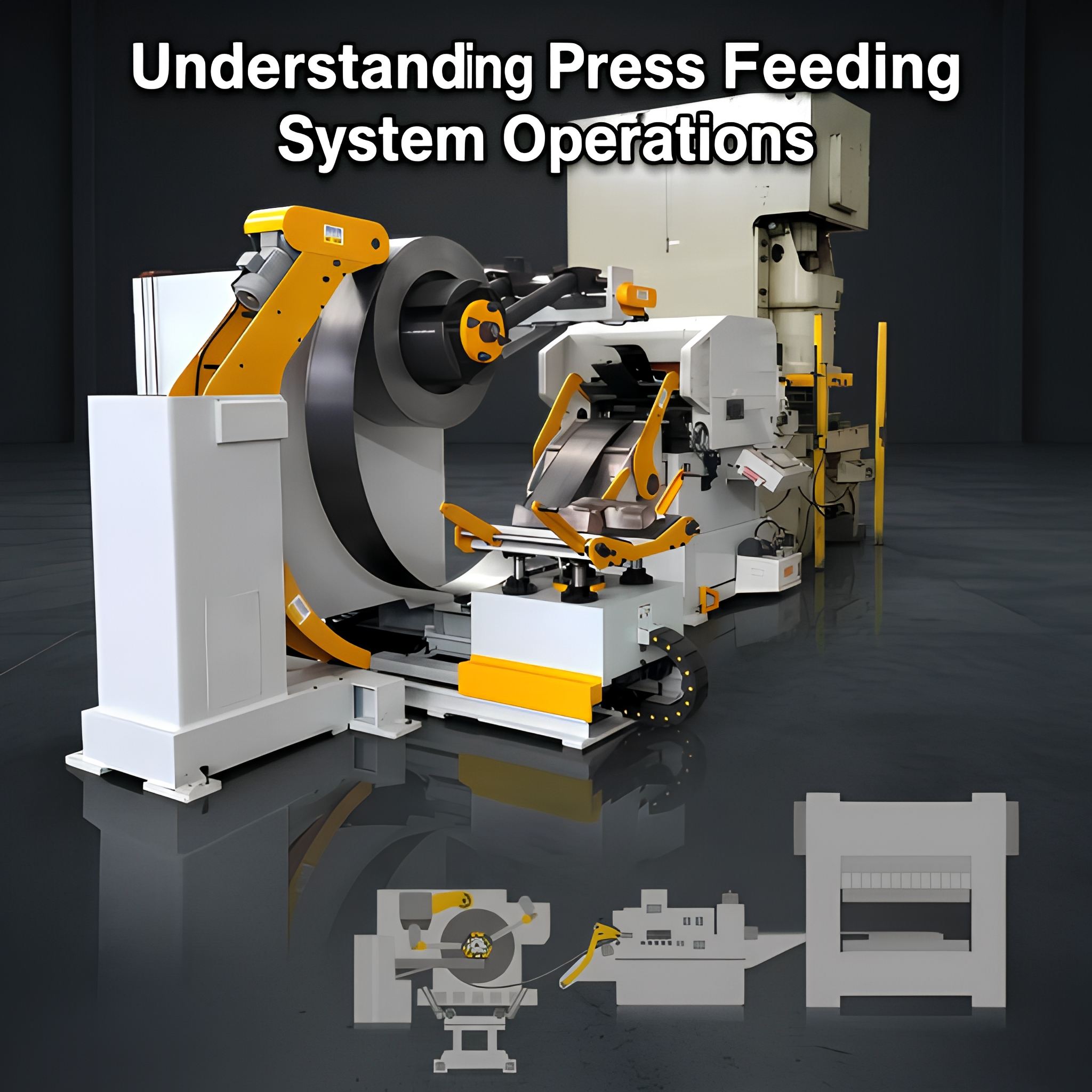
In industrial sectors such as metal processing and stamping, the press feeding system ensures stable production line operation while enhancing processing precision and efficiency. By integrating the three core functions of coil uncoiling, material leveling, and precision feeding into a single unit, the system significantly simplifies workflows and reduces both labor requirements and the equipment's physical footprint.
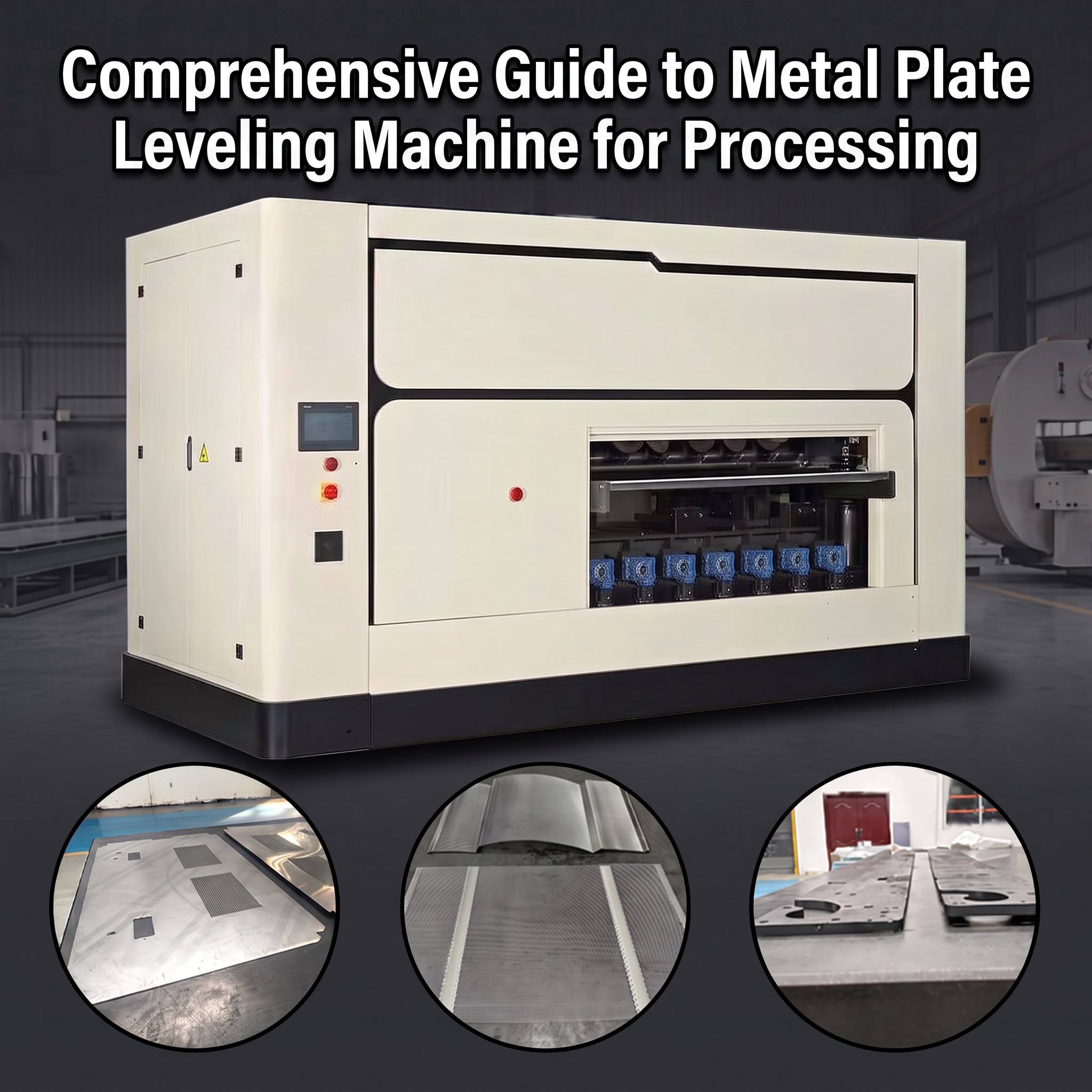
Metal plate leveling machines play a pivotal role throughout the entire process of sheet metal production—from pre-treatment and forming to final finishing—ensuring processing quality, increasing product yield rates, and optimizing production efficiency. By employing specialized mechanical correction techniques, metal sheet flattening machines thoroughly eliminate internal residual stresses and precisely rectify various flatness defects, restoring the metal sheet to a standard, uniform, and flat state.
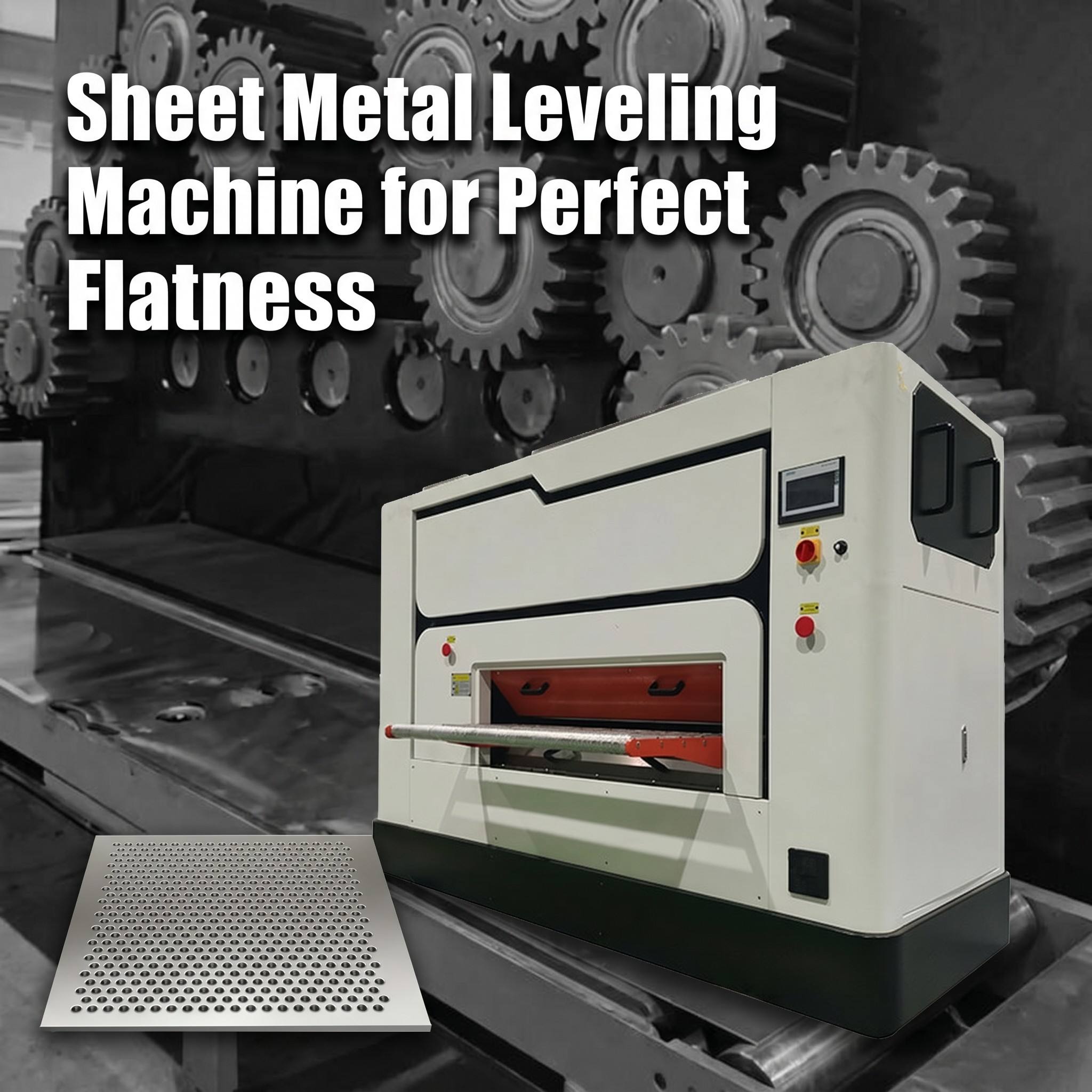
KINGREAL STEEL SLITTER has long specialized in the field of sheet metal processing equipment, offering a range of sheet metal leveling machines designed to provide professional-grade flatness for various metal coils, sheets, and components. These metal sheet leveling machines establish a solid foundation of precision for subsequent processes such as punching, shearing, bending, welding, and forming.