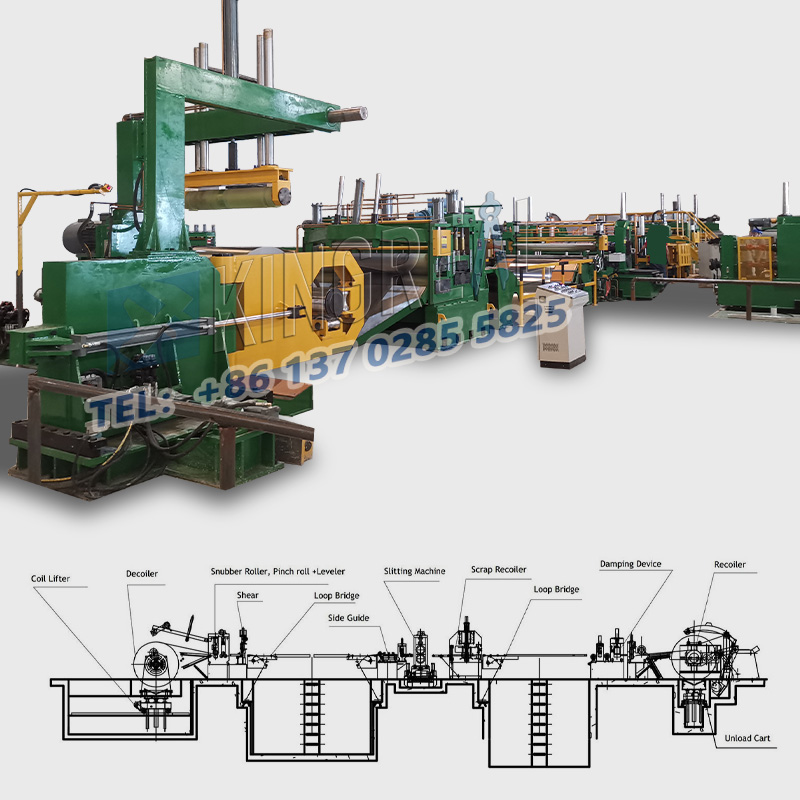
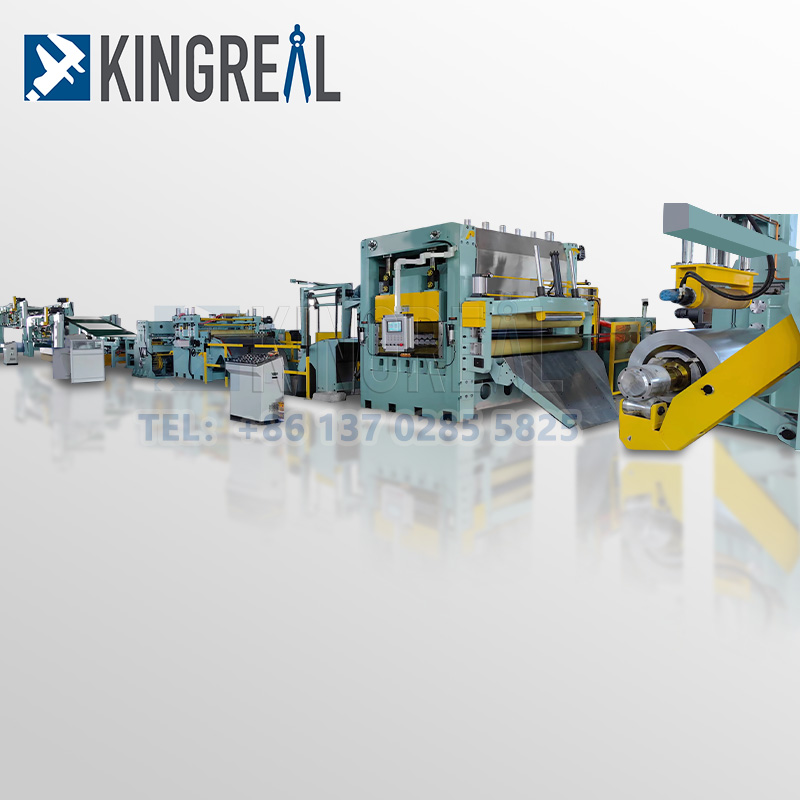
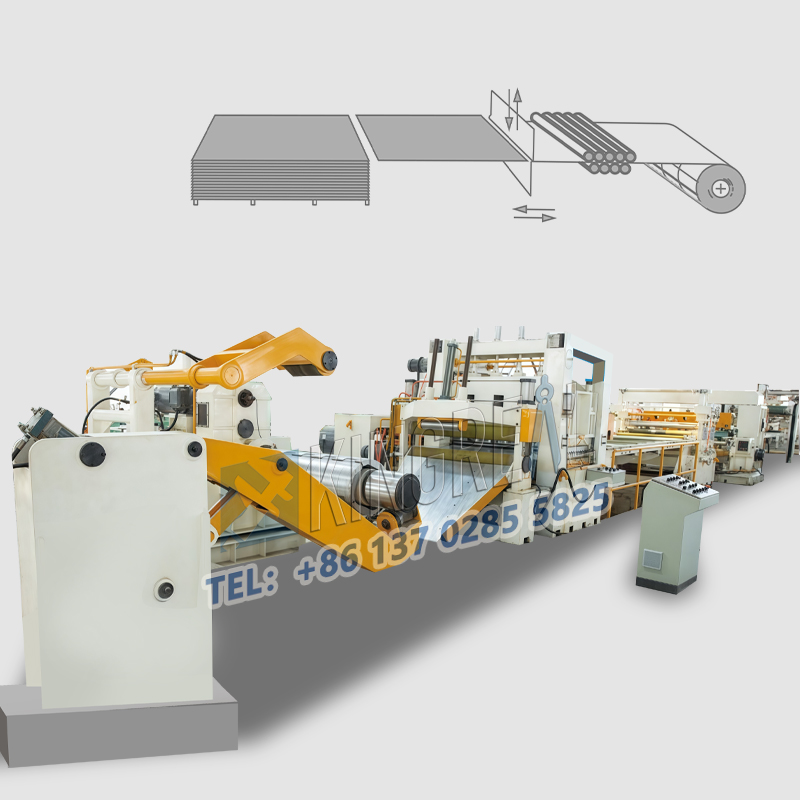
In metal processing, sheet metal cut to length machines are used to cut metal materials to the specific lengths required for customer projects. However, some abnormal problems may occur during the operation of sheet metal cut to length lines. If these problems are not addressed in a timely manner, they may lead to low production efficiency or even sheet metal cut to length machine damage. This article will discuss in detail the most typical problems in sheet metal cut to length lines and provide solutions, hoping to be helpful to users.
The crankshaft in a sheet metal cut to length machine is the core component that realizes the shearing action. It needs to withstand torque and the reaction force of the steel plate during operation, so good lubrication is crucial. Poor crankshaft lubrication can lead to the burning of the crankshaft and bearings. Once this happens, the repair process will be very complicated: it requires replacing the bearings and regrinding the crankshaft, which is not only time-consuming but also costly. Therefore, ensuring proper crankshaft lubrication is key to avoiding major problems.
For sheet metal cut to length lines with this structure, using thin oil lubrication is a wise choice. Installing an automatic oil pump can supply lubricating oil regularly. By setting the oiling time and flow rate, the problem of insufficient lubrication can be effectively avoided. In addition, regular inspection of the sheet metal cut to length machine's lubrication system is also essential. As long as lubrication is maintained well, the sheet metal cut to length line can operate stably, ensuring smooth production.
In the normal production process of a sheet metal cut to length machine, meeting the interlock conditions is a prerequisite for equipment operation. A processing plant encountered a problem where the belt could not be linked after threading, and manual operation was only a temporary solution. After three hours of inspection, it was found that the looper had not descended to the lower limit position, causing the interlock condition to be not met.
To avoid similar problems, sheet metal cut to length line manufacturers should clearly indicate the interlock conditions on the operating interface for easy daily inspection by operators. Common interlock conditions include the leveler inlet guide plate being at the lower limit position, the stacking trolley being at the lower limit position, and the cut-to-length machine being at the lower limit position. If these interlock conditions are not understood, it often leads to sheet metal cut to length machine failure to link and downtime. Therefore, when purchasing a sheet metal cut to length line, it is recommended to request a real-time status display function from the sheet metal cut to length machine manufacturer so that operators can understand the sheet metal cut to length line's working status at any time and avoid major problems caused by minor issues.
The leveler is one of the key components of a sheet metal cut to length machine, and the performance of its work rollers directly affects the processing quality of metal materials. Due to a lack of specialized equipment and personnel in many processing plants, the disassembly and maintenance of leveling machines are often neglected, leading to wear and tear on the work rollers over time.
To address this issue, regular cleaning and maintenance of the leveling machine is essential. During cleaning, it is crucial to ensure that no cleaning tools (such as rags) are left inside the leveling machine. If rags remain in the work rollers, they will rub against the rollers during machine operation, causing damage and leaving indentations on the steel plate surface. Therefore, the following points should be observed when cleaning the leveling machine:
- Timely removal of oil sludge: Regularly check the oil stains inside the leveling machine and remove sludge promptly to maintain a clean working environment.
- Use appropriate cleaning materials: When cleaning, select suitable cleaning materials and record their use beforehand and afterward to ensure no debris remains.
- Pre-production inspection: Before formal production, thoroughly inspect the inside of the leveling machine for any debris and clean it thoroughly.
- Air pressure check: Check the air pressure of the pinch rollers and decoiler, ensuring that the air pressure is adjusted according to the requirements of different products to guarantee smooth processing.
Besides the issues mentioned above, other common problems may arise during the daily operation of sheet metal cut to length lines, such as blade wear, hydraulic failures, and electrical system malfunctions. For these situations, maintenance and upkeep are key to preventing problems.
-Blade wear for sheet metal cut to length machine: Blade wear leads to poor shearing results. Regular blade inspection and replacement are essential to ensure the sharpness of the shearing edges.
-Hydraulic failures for sheet metal cut to length line: The hydraulic system is crucial for the normal operation of the sheet metal cut to length machine. Regularly check the hydraulic oil level and quality to ensure the stability of the hydraulic system.
-Electrical system malfunctions for sheet metal cut to length line: Maintenance of the electrical system is equally important. Regularly check electrical connections and control systems to prevent downtime caused by short circuits or electrical failures.
KINGREAL STEEL SLITTER, as a professional sheet metal cut to length machine supplier, is committed to providing customers with high-quality sheet metal cut to length line. Each sheet metal cut to length machine undergoes multiple rounds of rigorous testing before leaving the factory to ensure sheet metal cut to length line’s quality and performance. KINGREAL STEEL SLITTER also provides a professional engineering team to provide installation and operation training, helping customers better master the use of the sheet metal cut to length machine and thus extending sheet metal cut to length line’s service life.
By promptly resolving malfunctions on sheet metal cut to length machines, businesses can improve production efficiency, reduce maintenance costs, and ensure smooth production. We hope this article provides helpful guidance on the use and maintenance of sheet metal cut to length lines. KINGREAL STEEL SLITTER will continue to share more common sheet metal cut to length machine issues in future articles, so please stay tuned!