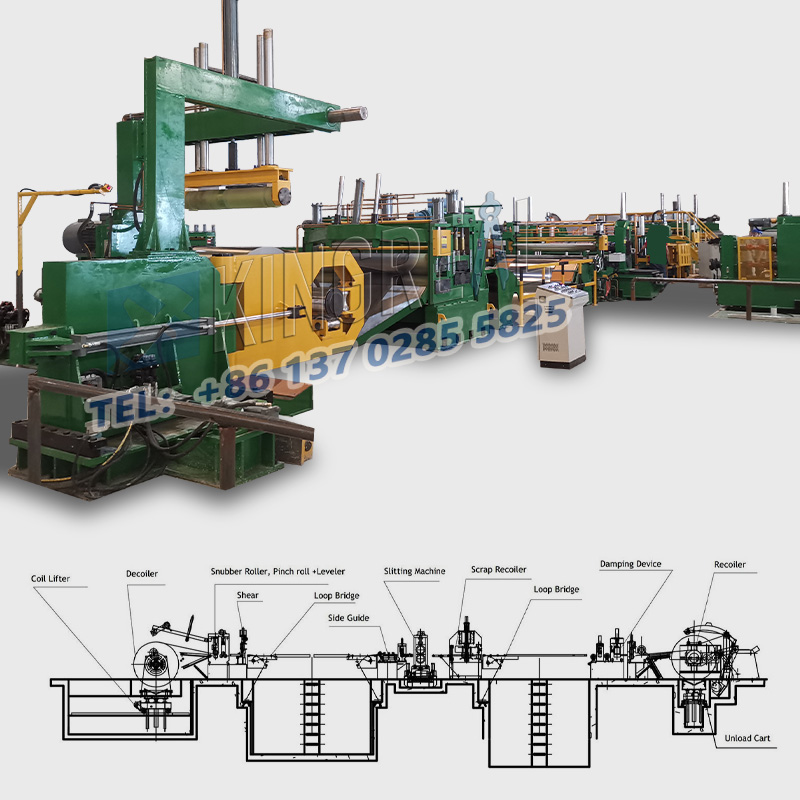
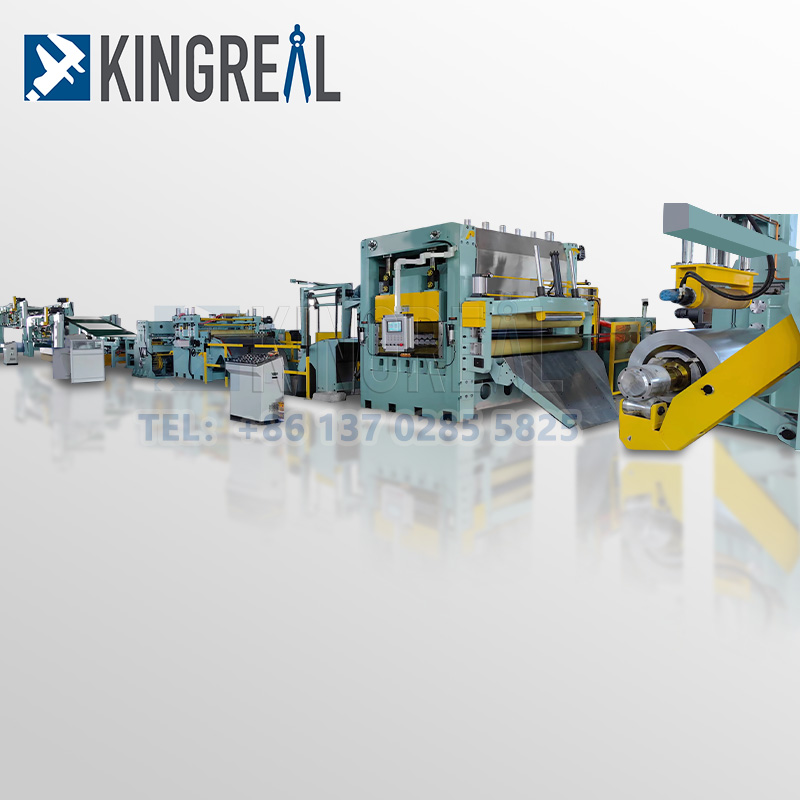
KINGREAL STEEL SLITTER is glad to share with you about the results of our work, company news, and give you timely developments and personnel appointment and removal conditions. The following is the progress of KINGREAL STEEL SLITTER's various projects in 2025.
In 2025, KINGREAL STEEL SLITTER continued its global expansion, with multiple projects progressing smoothly. Through continuous technological innovation and excellent customer service, KINGREAL STEEL SLITTER continued to achieve new breakthroughs in the international market.
2025 Metal Slitting Machine Project
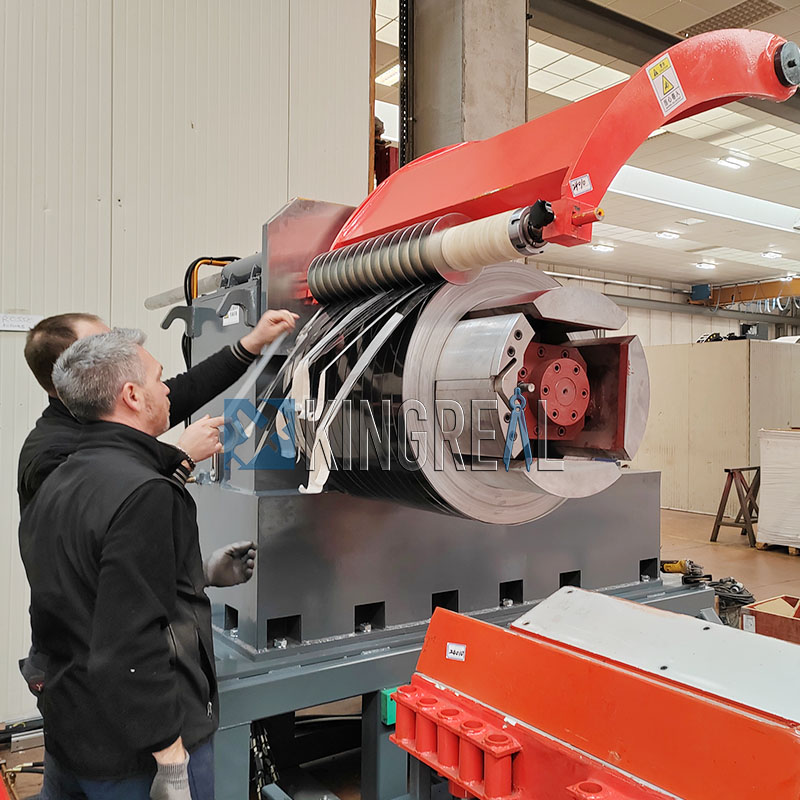
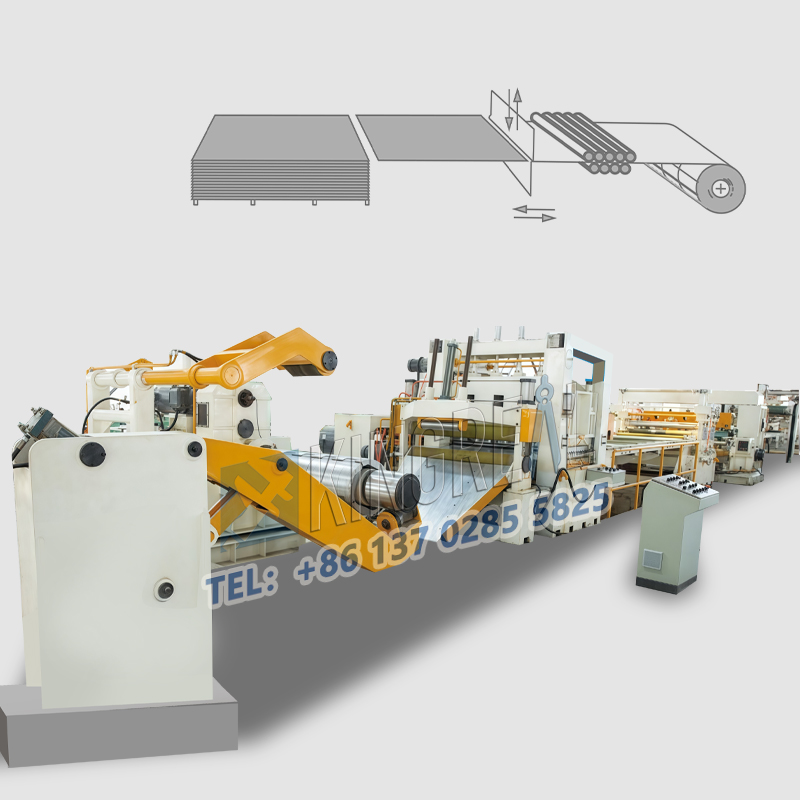
2025 Metal Cut to Length Line Project
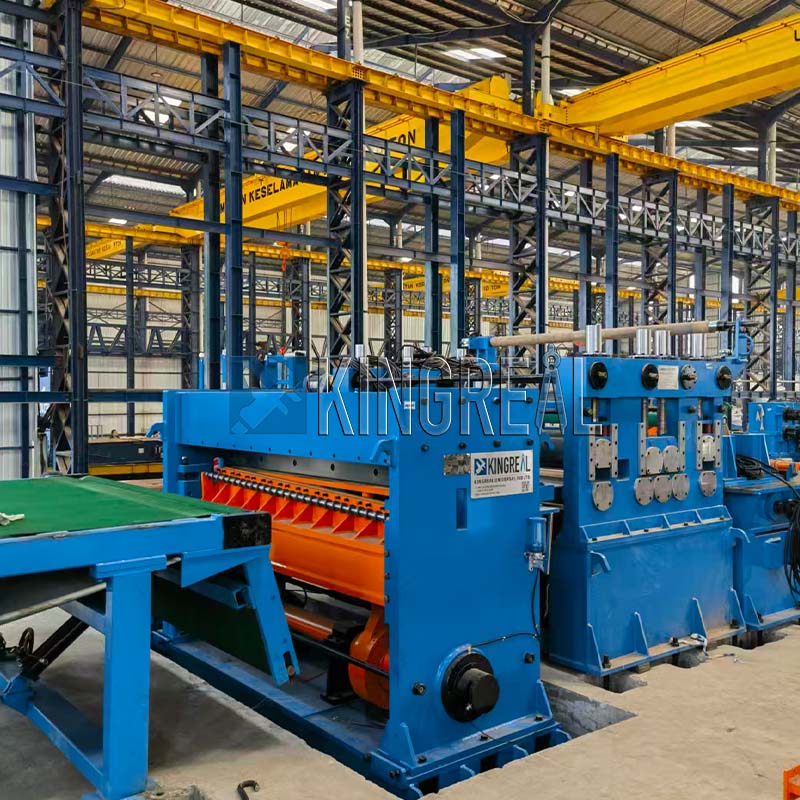
2025 Steel Perforated Machine Project
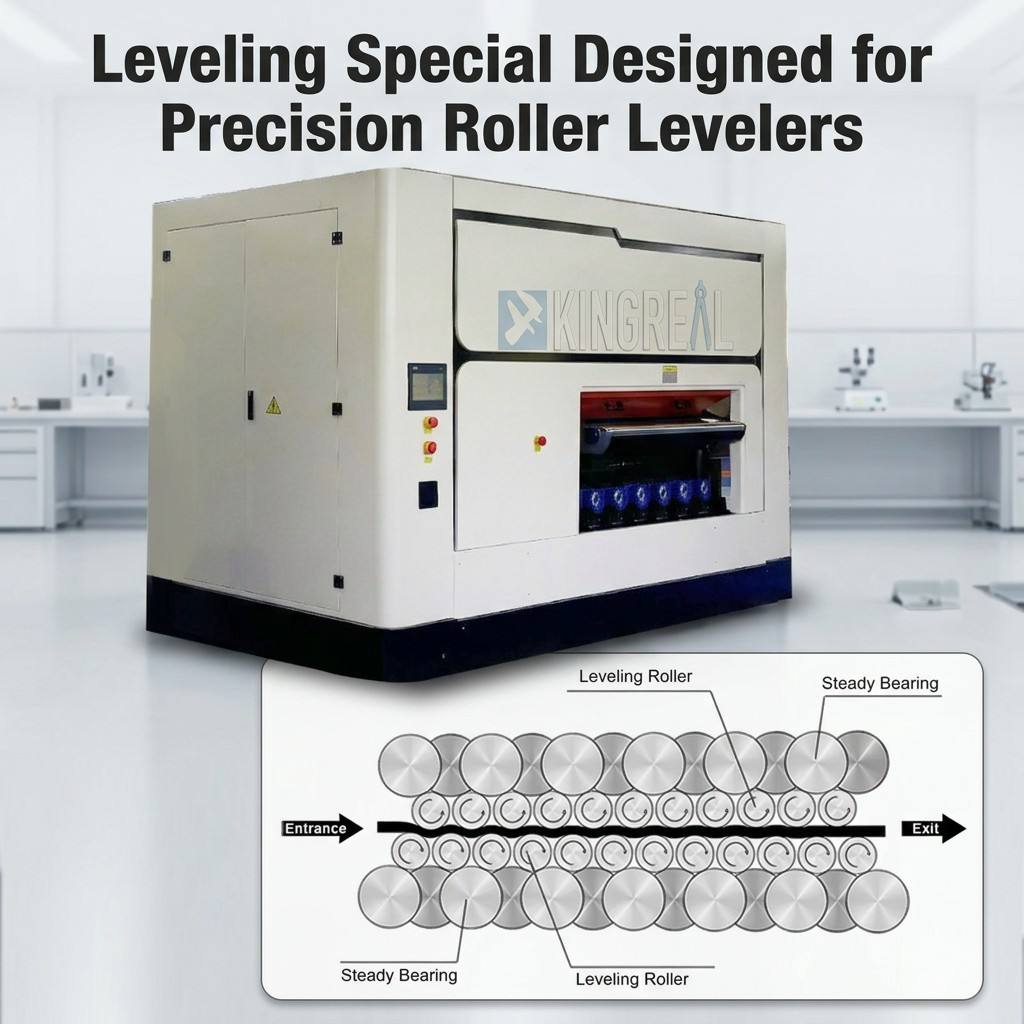
In the field of metal processing, the precision roller leveler has revolutionized the post-processing of metal workpieces. From stainless steel sheets to complex laser-cut parts, and from highly conductive copper strips to lightweight aluminum alloys, precision leveling serves not only to enhance aesthetics but—more importantly—to ensure that subsequent bending, stamping, and welding processes can be automated and defect-free. This article provides an in-depth analysis of the internal structure and core leveling logic of metal plate leveling machines, as well as the unique design features that allow them to excel in diverse industrial applications.
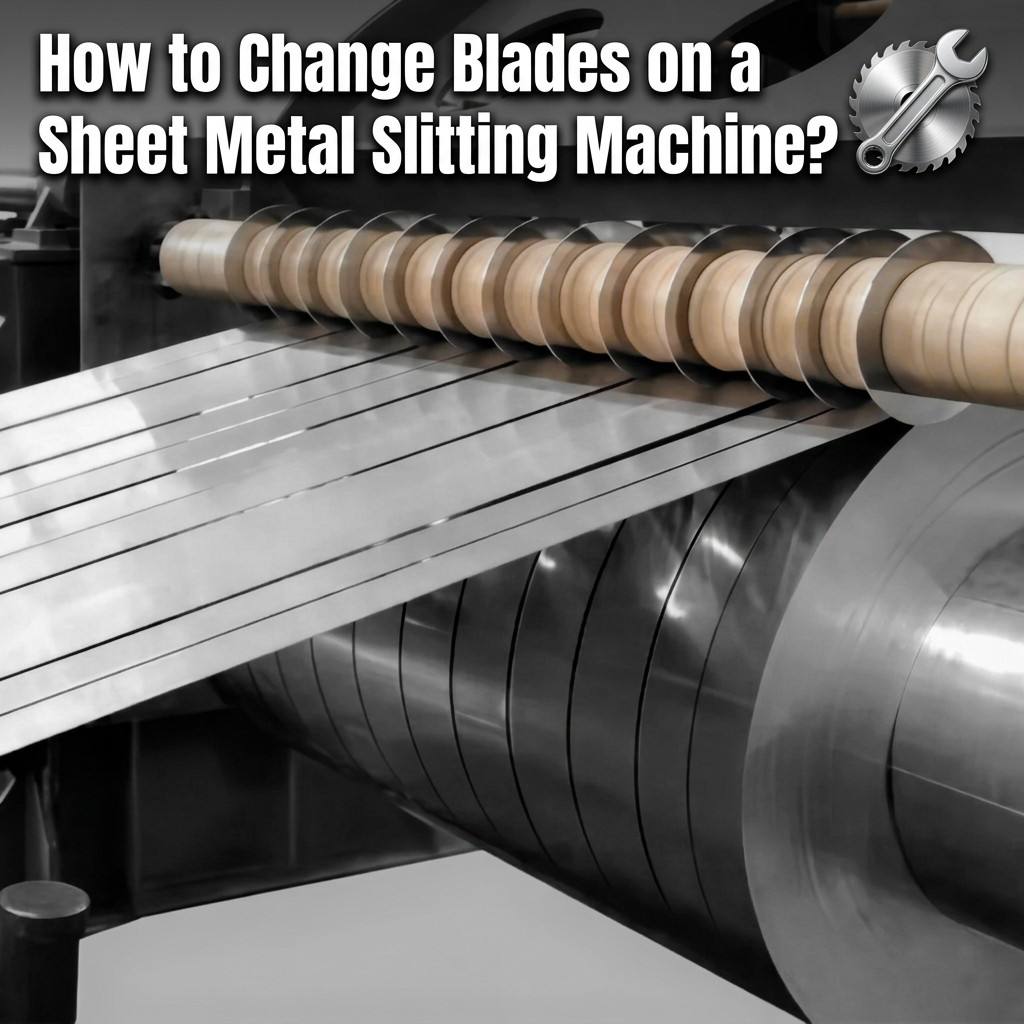
In this article, KINGREAL STEEL SLITTER provides a detailed guide on how to replace sheet metal slitting machine blades correctly, efficiently, and safely, along with professional maintenance recommendations.
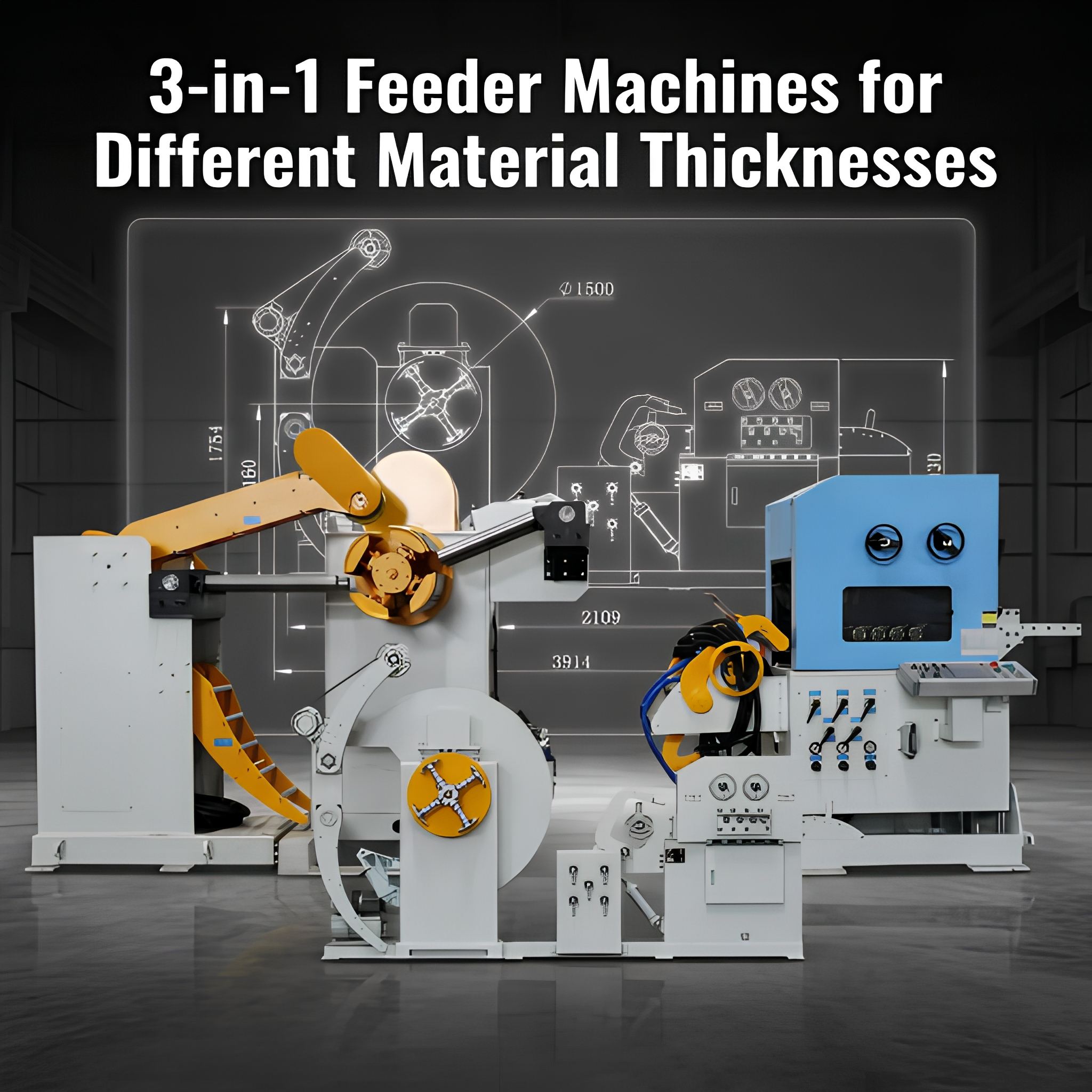
By integrating the three key functions of uncoiling, leveling, and feeding into a single unit, the 3-in-1 feeder machine has become a standard component of automated production lines. It not only resolves synchronization challenges between multiple standalone machines but also significantly optimizes factory layouts. However, the structural requirements for equipment differ vastly depending on whether the material is thin aluminum sheet or high-strength steel. Consequently, KINGREAL STEEL SLITTER has designed four standardized 3 in 1 decoiler straightener feeder solutions tailored to specific material thicknesses and physical properties.
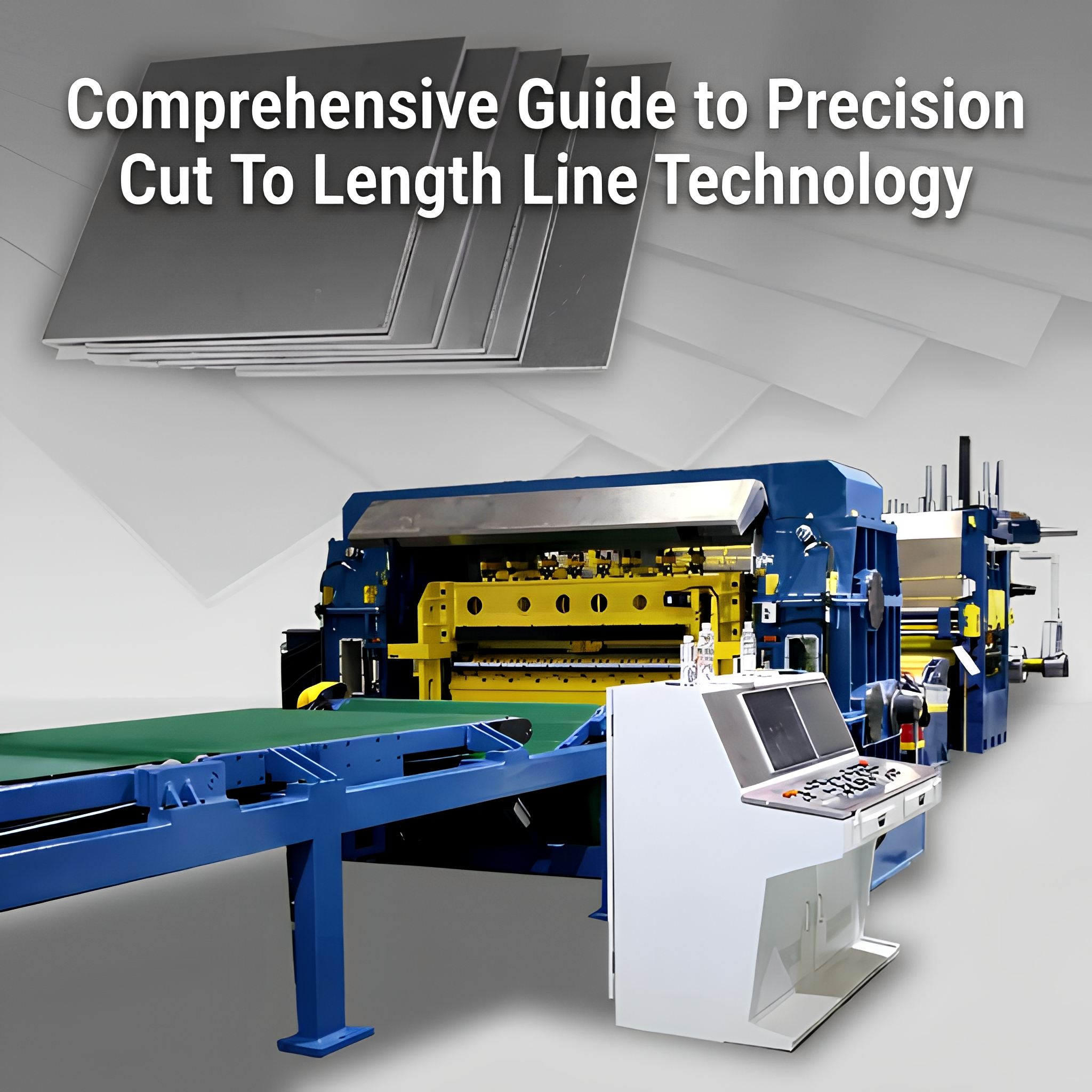
In the metal processing industry, the primary function of a precision cut to length line is to process large metal coils into precision flat sheets of specific lengths. These sheets then enter the downstream production chain for subsequent processes such as stamping, welding, or assembly.
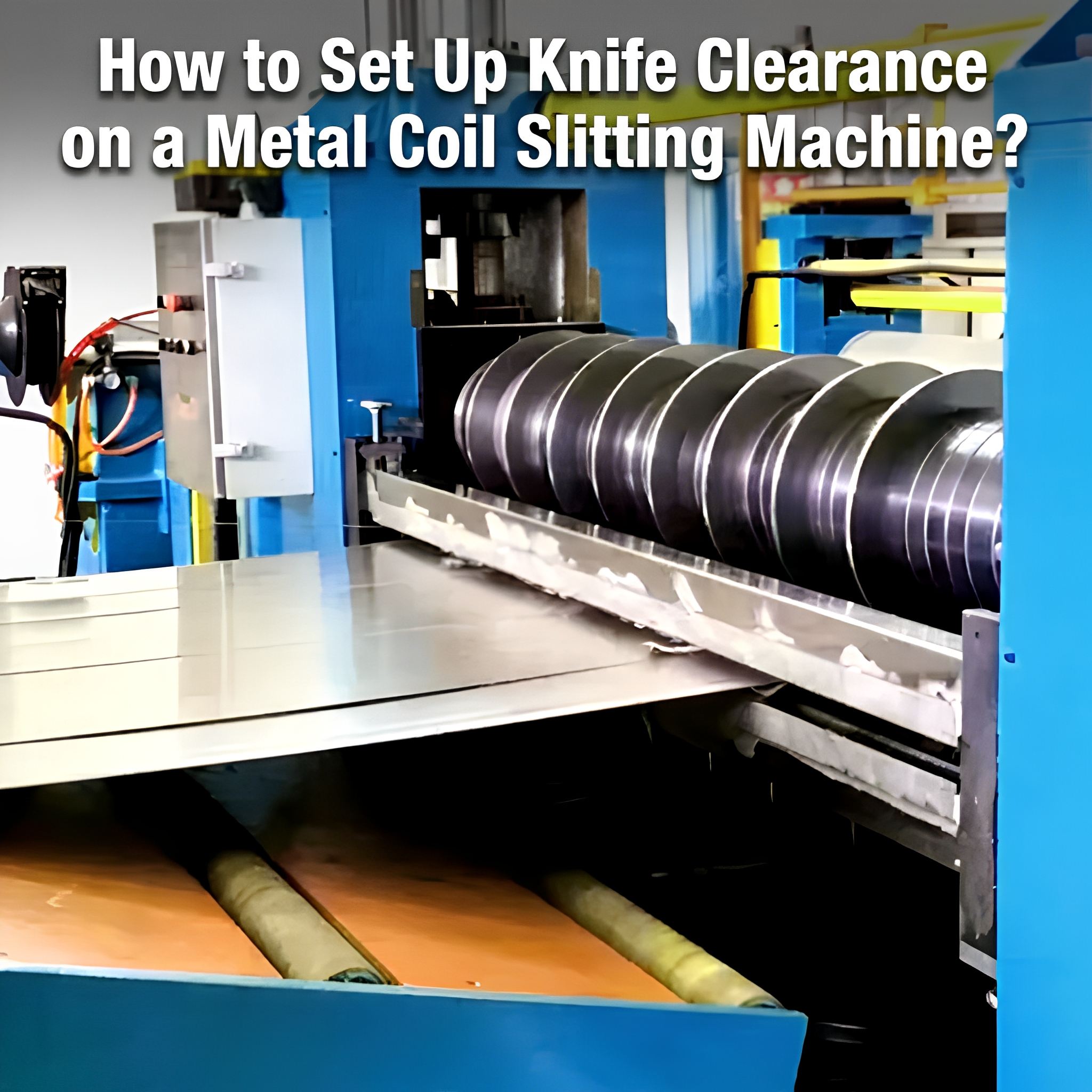
In the metal processing industry, the precision of a metal coil slitting machine often hinges on a minute detail: the blade clearance. Blade clearance is one of the most critical adjustment parameters in the slitting process, directly influencing slitting accuracy, tool longevity, and production efficiency. However, due to the stringent adjustment requirements and inherent operational risks, this task is both a routine maintenance procedure and a common source of malfunctions. This guide, prepared by KINGREAL STEEL SLITTER technical experts, outlines the professional procedure for adjusting slitting blade clearance to ensure safe and efficient production.
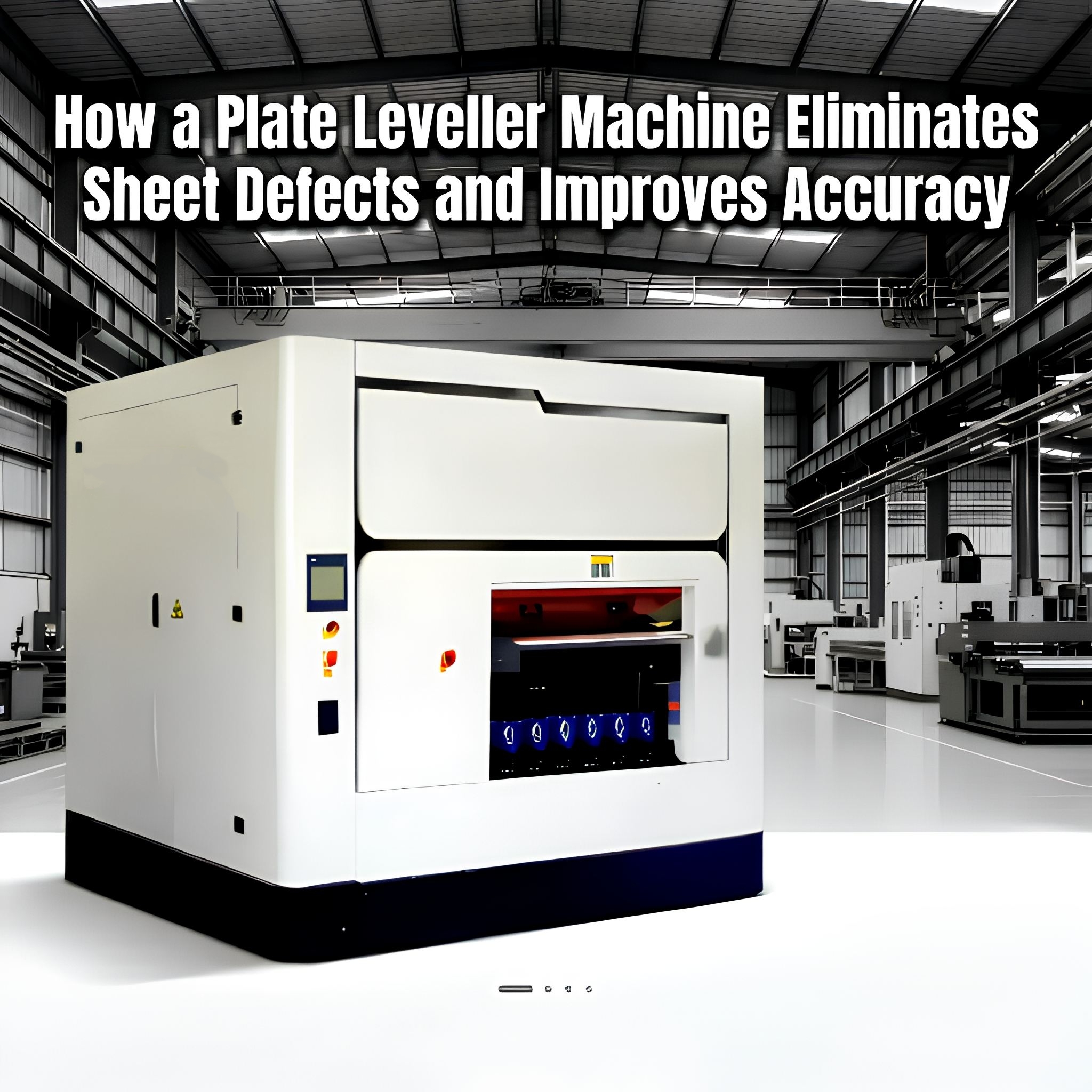
In the field of metal processing, the flatness of the plate is one of the core indicators for measuring product quality. Whether it is subsequent laser cutting, CNC stamping or welding assembly, there are strict requirements for the flatness of the raw materials. However, during the rolling, shearing, transportation and storage processes of plates, various geometric defects often occur due to uneven stress distribution. In the metal processing industry, the plate leveller machine not only corrects the appearance of the plate, but also eliminates the residual stress inside the material through physical means. This article will discuss in detail the working principle, structural classification and necessity of plate leveling machines in industrial production.