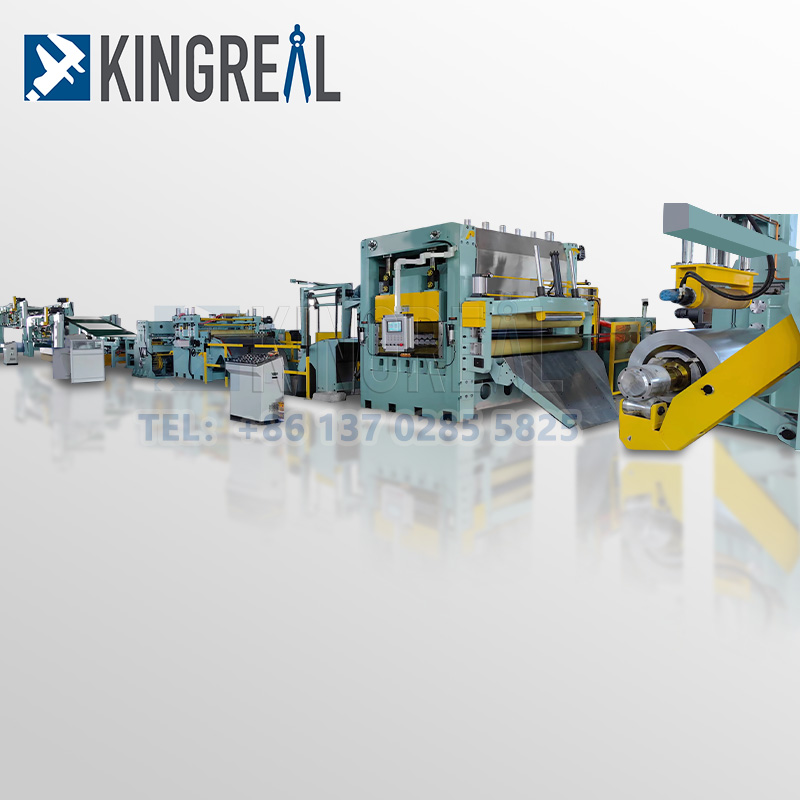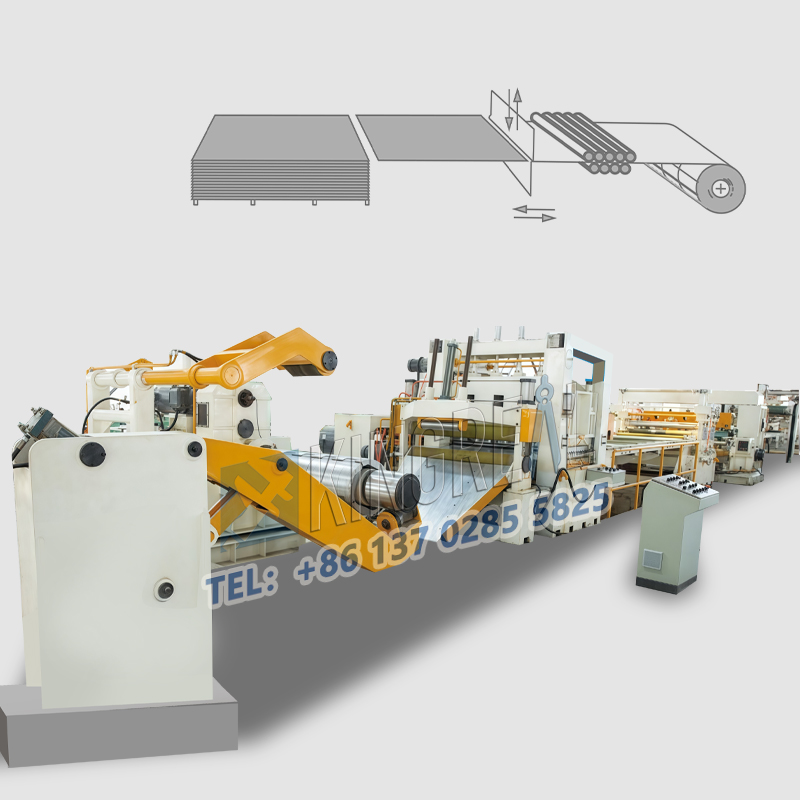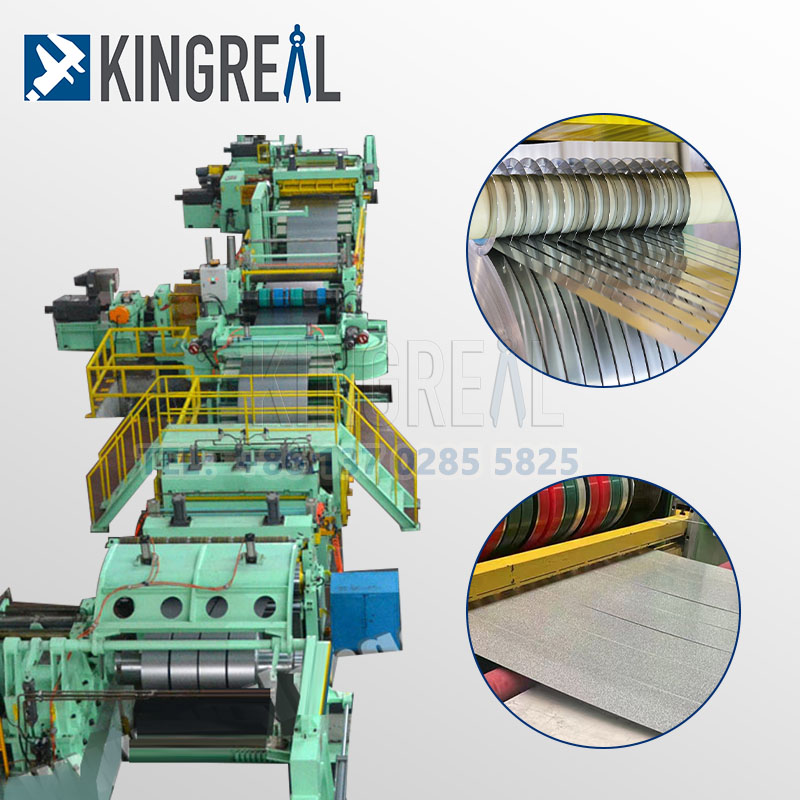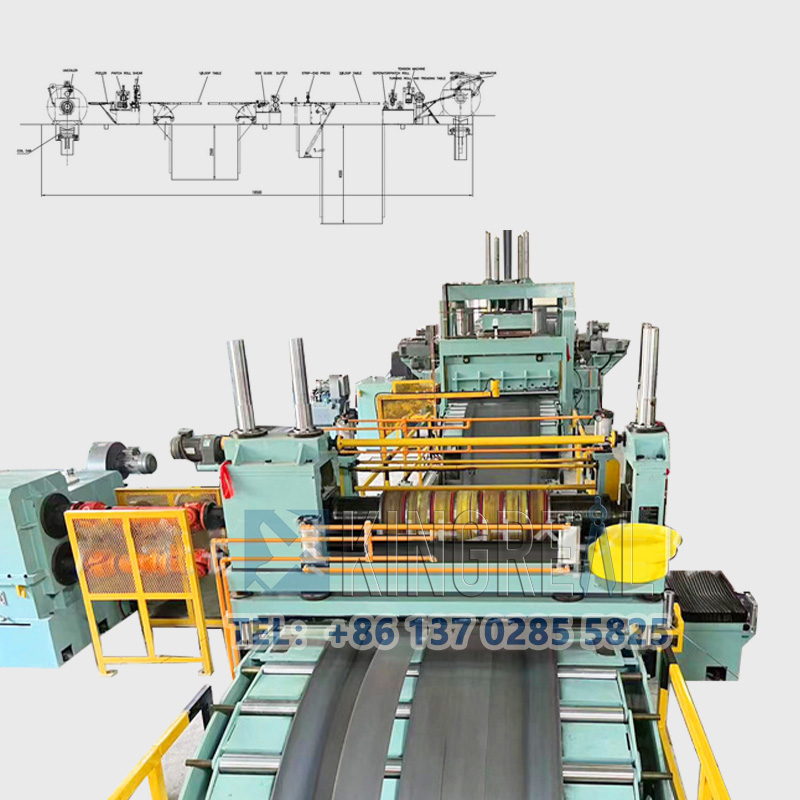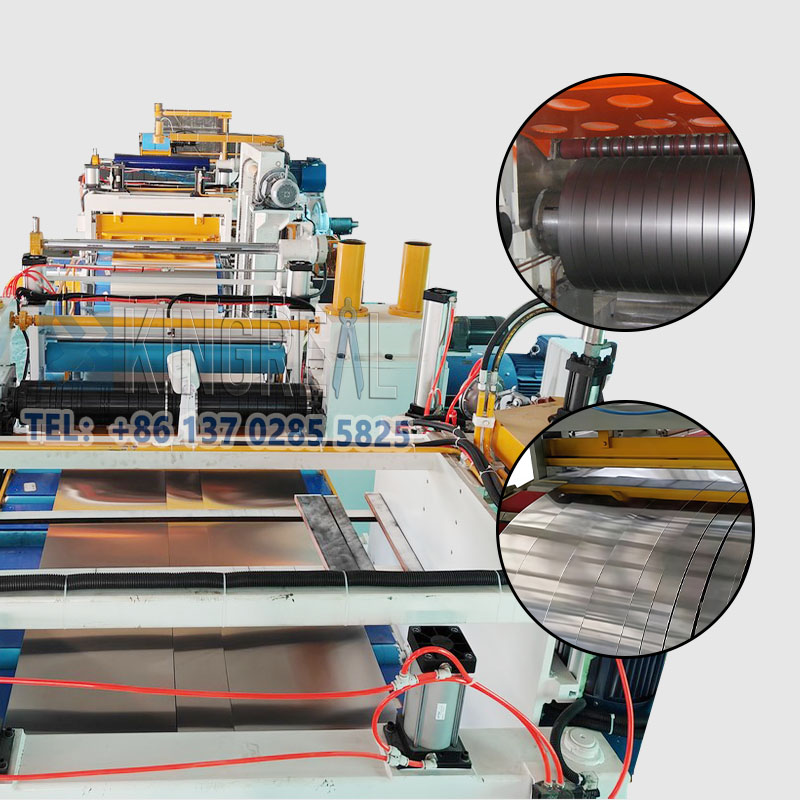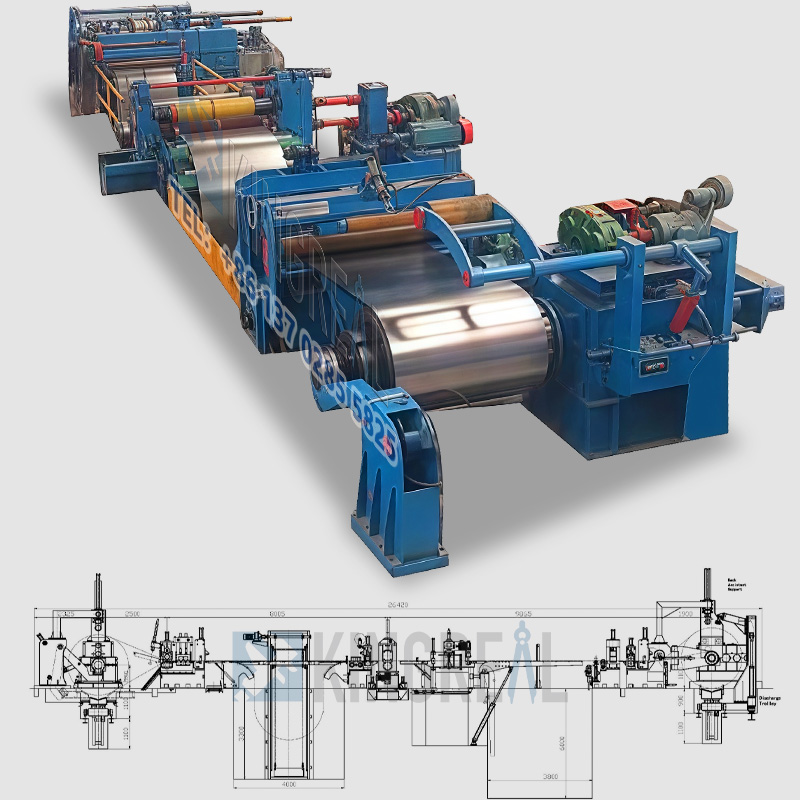
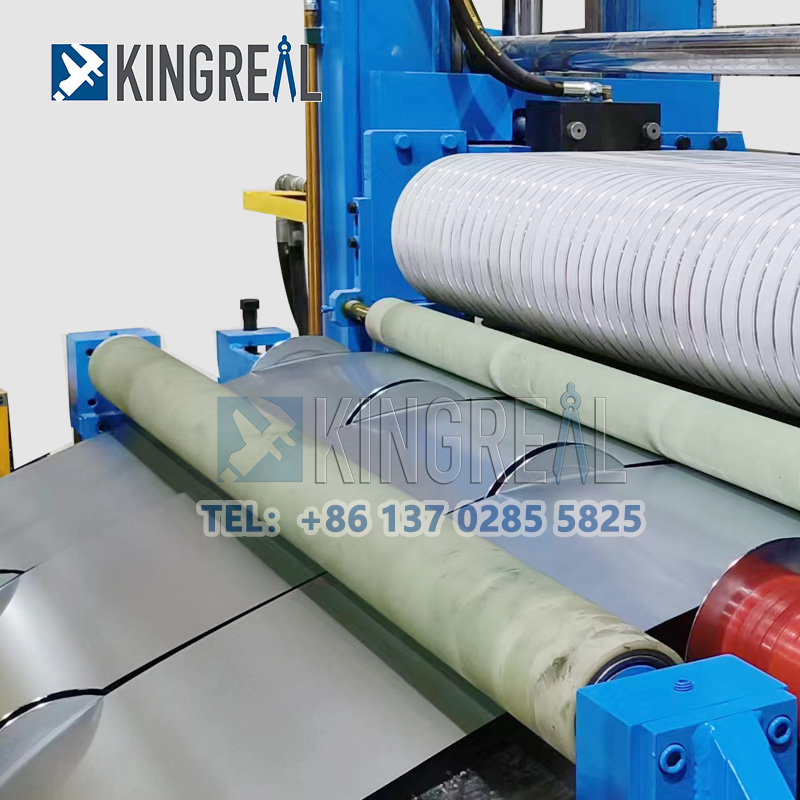
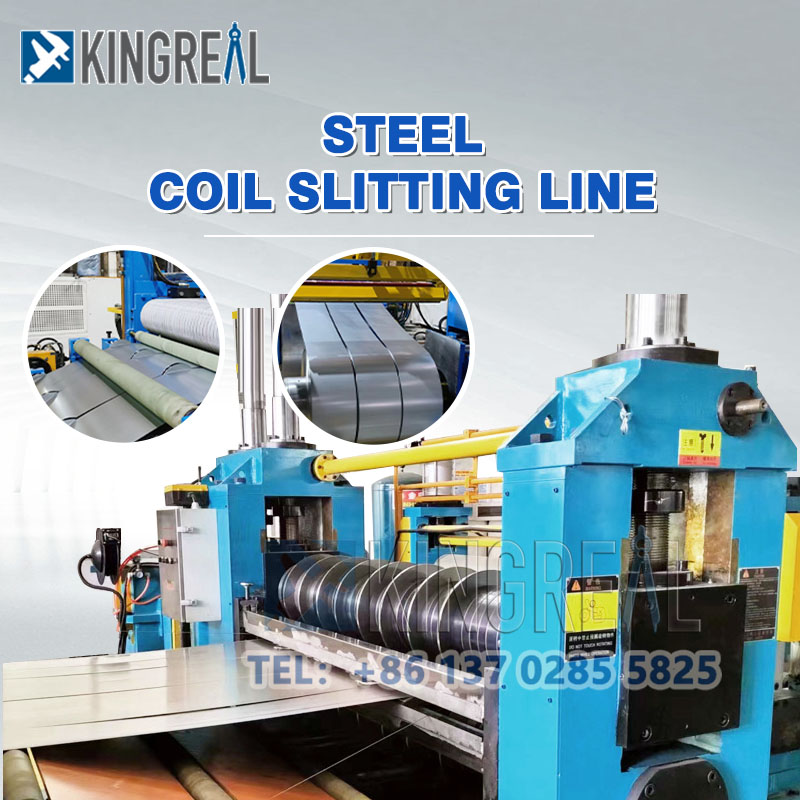
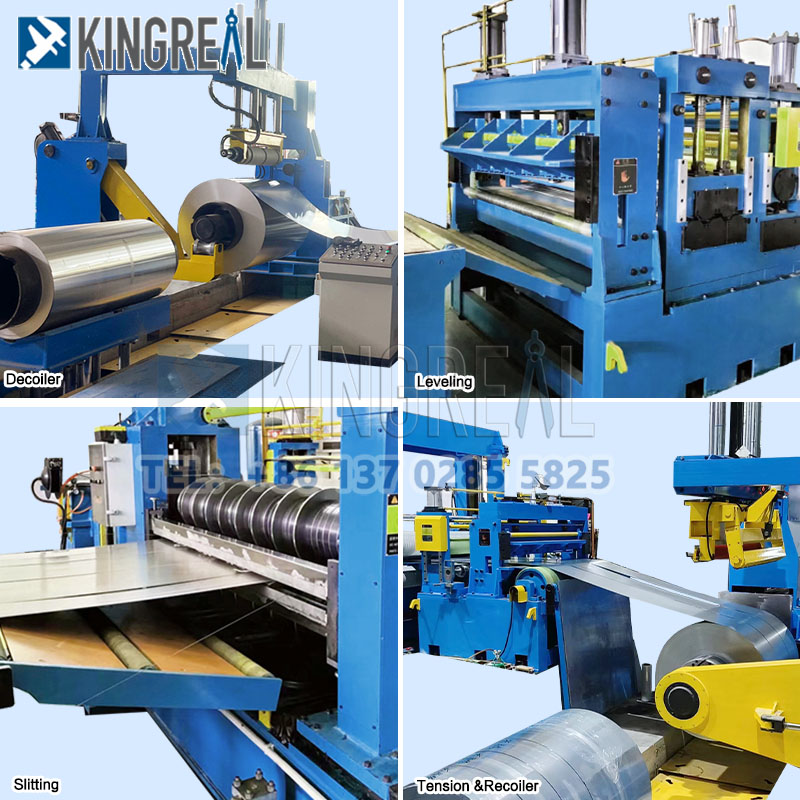
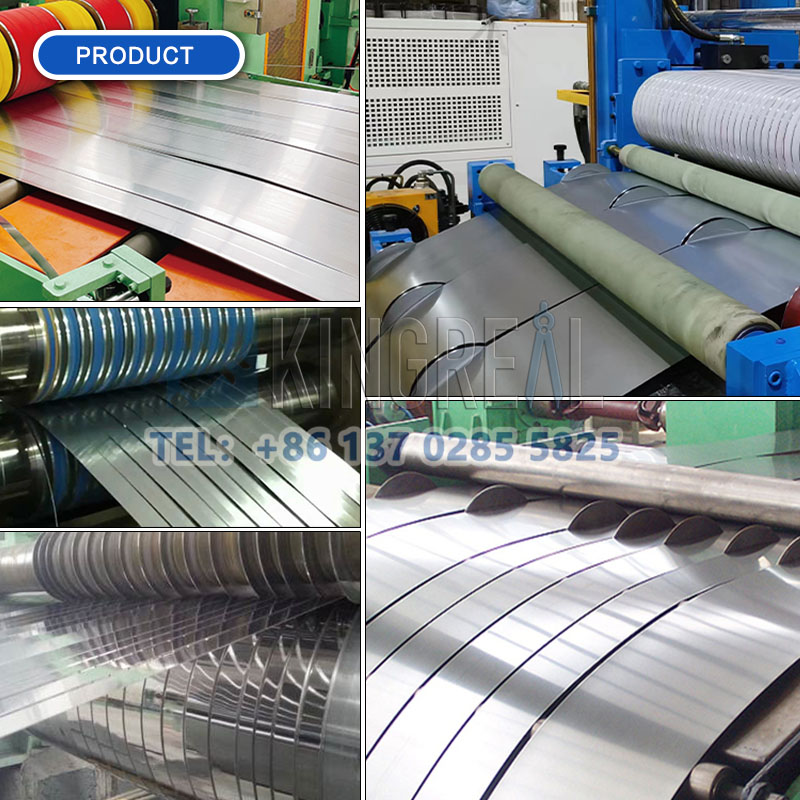
The loop slitting line is custom-tailored for clients requiring high-speed processing of thin, high-precision materials to produce multiple narrow strips with exceptional accuracy.
|
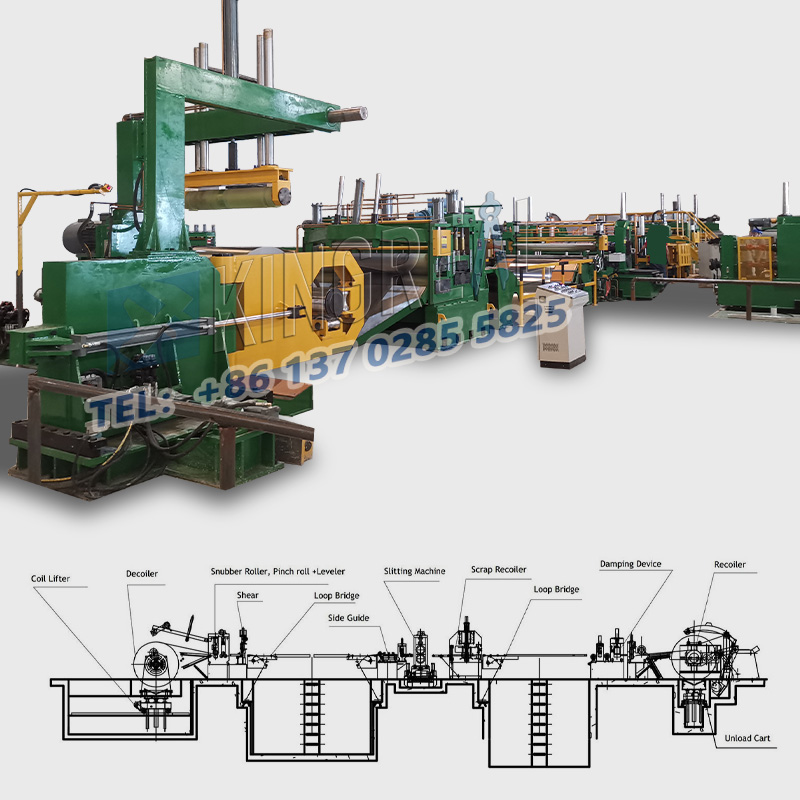
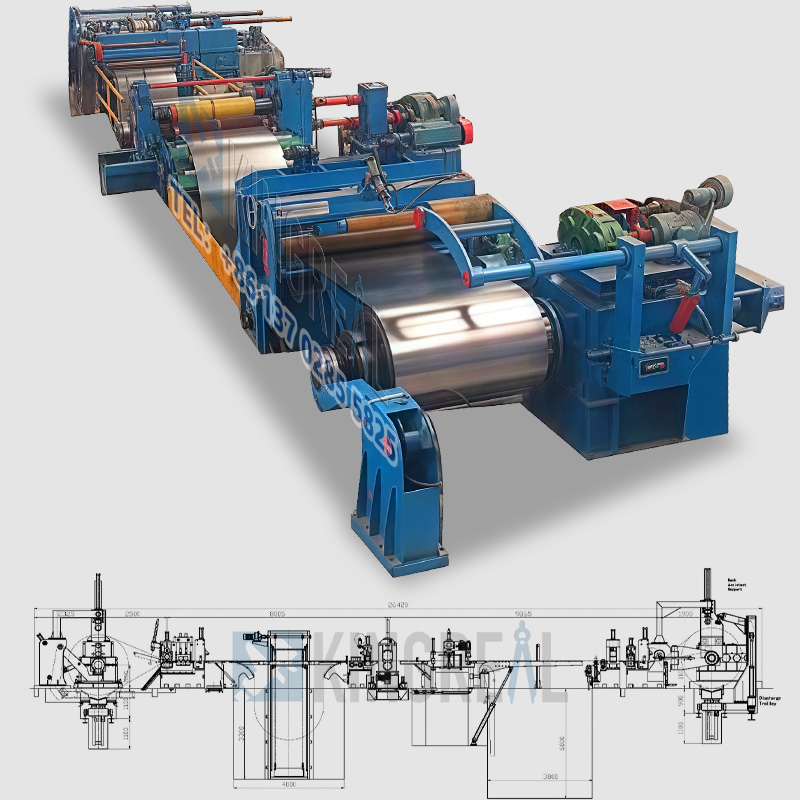
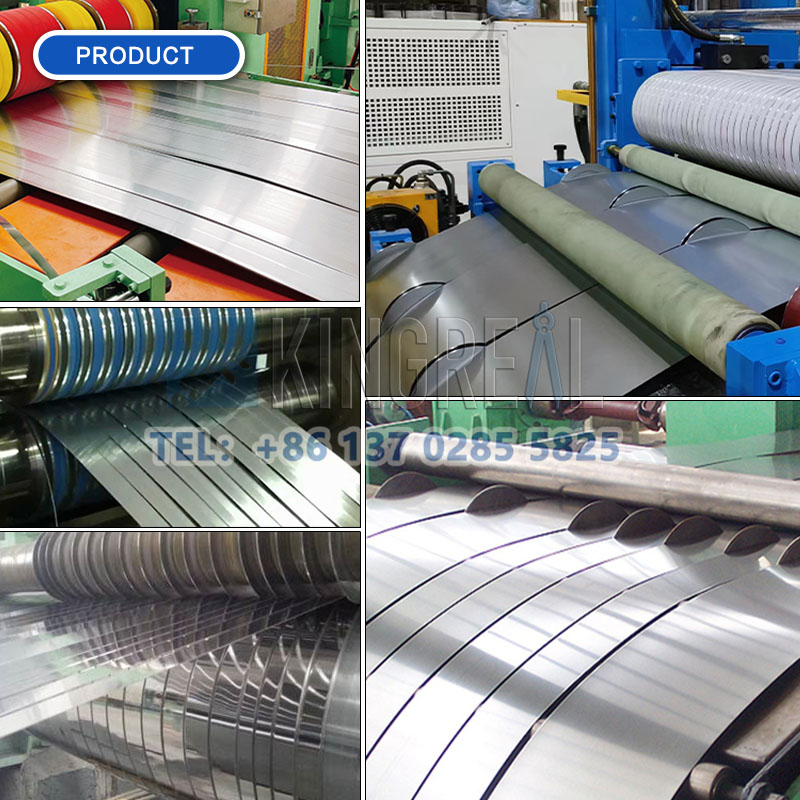
The loop slitting line is custom-tailored for clients requiring high-speed processing of thin, high-precision materials to produce multiple narrow strips with exceptional accuracy. It is widely utilized in sectors with stringent requirements for strip slitting precision—such as the automotive, electronics, and home appliance industries. Through a scientifically engineered layout, the loop slitting machine achieves highly efficient and precise slitting operations. A pivotal design feature—and the core distinction separating the loop slitting line from standard metal slitting lines—is the incorporation of a pit-style loop accumulator situated within the equipment's foundation. The actual depth and length of this pit are specifically determined based on the thickness of the metal strip and the intended slitting speed; these dimensions directly govern the slitting precision and operational stability of the loop slitting machine.
For thinner strips—which possess high ductility and are prone to deformation—a deeper pit is typically required to ensure the strip remains stably relaxed within the loop accumulator, thereby preventing wrinkling or lateral deviation during the slitting process. Conversely, for thicker strips—which exhibit greater rigidity and resistance to deformation—a longer pit is necessary to adequately accommodate the strip's buffering requirements. Moreover, as the slitting velocity rises, the demands on the pit's depth and length get more demanding. Only by satisfying these exact requirements can the loop slitting line maximize its high-speed slitting potential while still assuring that slitting quality stays uncompromised, hence guaranteeing the system consistently runs with extreme accuracy and efficiency. |
 |
●High-Efficiency Operation — Maximum production speeds can reach up to 230 m/min, with speeds flexibly adjustable to meet specific operational requirements.
●Multi-Strip Slitting — The loop slitting line is capable of simultaneously slitting the material into as many as 40 narrow strips in a single pass.
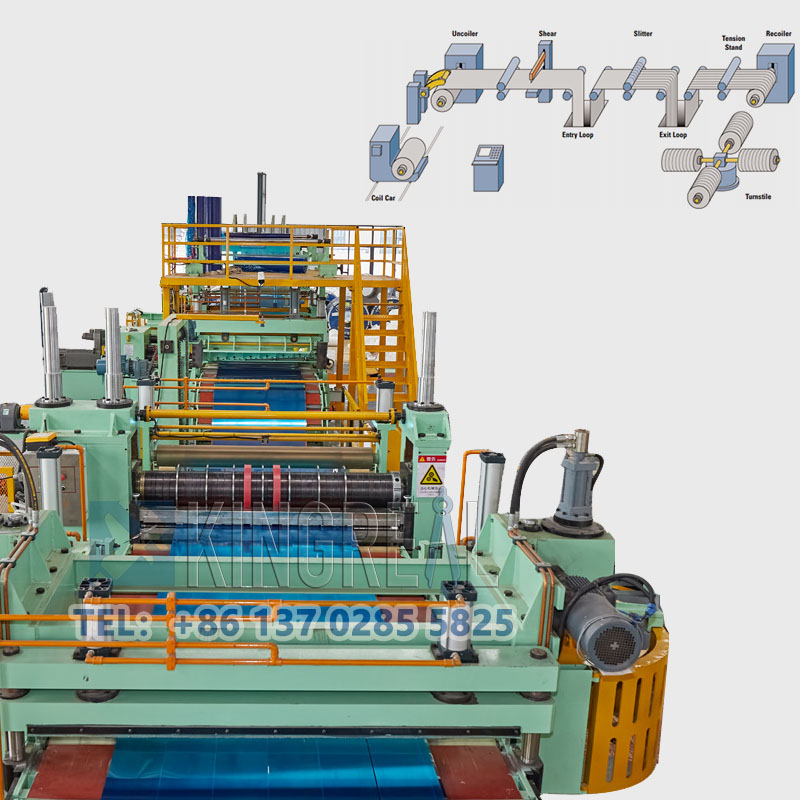
●Full Automation — The loop slitting machine is integrated with a cross-type turnstile coil-storage arm and an automated slit coil packaging line to minimize manual labor requirements to the greatest extent possible.
(1) Single Loop Slitting Line
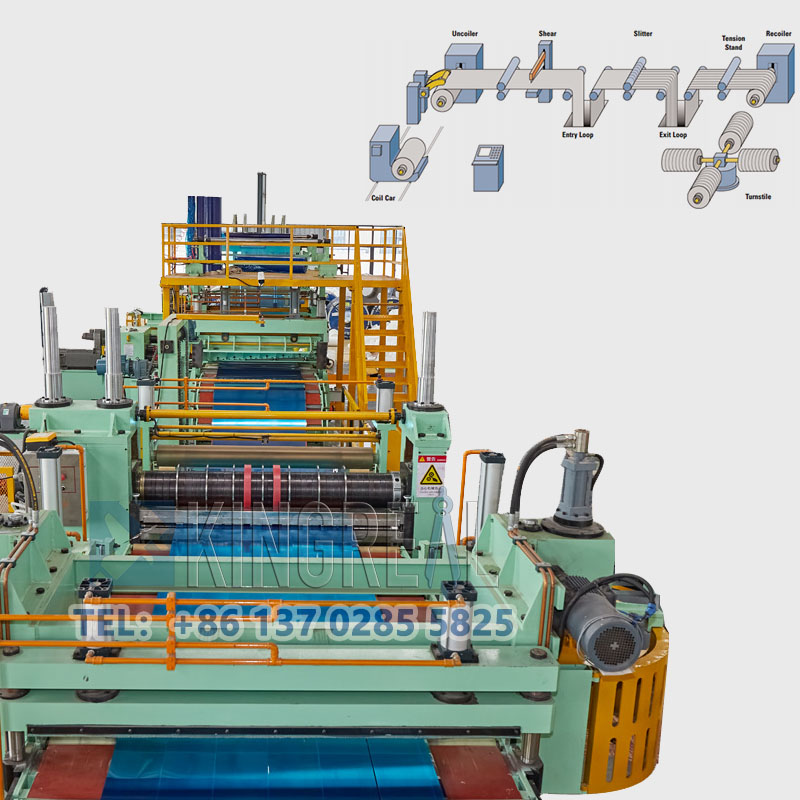
(a) Single-Entry Loop Slitting: The core design principle of this configuration involves positioning a loop accumulator prior to the slitter unit. This particular architecture considerably improves slitting accuracy and streamlines the loop slitting line's slitting process. This design clearly stops slipping at the slitting blades by allowing either micro-tension or zero-tension slitting, hence assuring the dimensional accuracy of the slit strips—a major factor for the loop slitting machine's ability to meet great precision manufacturing demands.
Additionally streamlining the whole loop slitting machine's structure and lowering production costs and maintenance complexity, while also improving operational efficiency, the decoiler does not need an additional self-centering mechanism as the loop itself includes one.
(b) Single-Exit Loop Slitting: This design configuration is characterized by the placement of a loop after the slitter. Following the cutting process, the slit strips are fed by the slitter into a tension-free loop situated between the slitter and the tensioning unit; this represents one of the most widely adopted single-loop design schemes currently utilized in loop slitting lines. For the slitting of thin-gauge strips, an entry-side edge guiding system may be required to ensure stable uncoiling of the coil during the cutting process and to prevent strip misalignment from compromising slitting accuracy. This approach serves two primary functions: First, it effectively prevents issues related to asynchronous recoiling among individual strips—often caused by variations in strip thickness—by precisely controlling recoiling tension to ensure neat and uniform coil winding.
Second, the inclusion of an exit-side loop allows the strips to flow freely away from the slitting blades, thereby eliminating the blade wear typically associated with slitting under tension; this effectively extends the service life of the blades and reduces equipment maintenance costs. Additionally, because the exit section operates under a tension-free state, it effectively prevents deformation phenomena—such as "necking" (strip narrowing)—further guaranteeing the quality of the slit strips.
(2) Double Loop Slitting Line
The core feature of the double loop slitting machine is the incorporation of two pit-style loops, strategically positioned at distinct key locations to work in tandem. This collaborative arrangement further enhances the slitting performance and stability of the line, making it ideally suited for high-speed slitting applications involving thin-gauge materials where extremely high standards of slitting quality are required.
The first loop is positioned between the decoiler and the slitter, serving as a critical component that enables the continuous and synchronized operation of the entire line. Its primary function is to buffer and accommodate the speed differential between the uncoiling process and the slitting process. By doing so, it ensures that the uncoiling and slitting operations proceed continuously and in perfect synchronization, thereby preventing issues such as strip stretching, deformation, or slitting deviations that might otherwise arise from speed mismatches. Meanwhile, the steel strip situated within the floor pit remains in a completely relaxed state. The slitter draws the strip from the pit for processing; since there is no counter-tension present during the slitting operation, the generation of burrs is effectively minimized, thereby significantly enhancing the edge quality of the slit strips.
A second looping pit is positioned between the slitter and the tensioning/recoiling unit. Due to slitting-induced stresses and inherent thickness variations within the rolled coil itself, the individual strips produced after slitting often exhibit slight differences in length. Without proper regulation, this discrepancy would disrupt the recoiling process, compromising both production efficiency and product quality. This looping pit effectively accommodates and compensates for these length variations, thereby ensuring the continuity of the slitting and recoiling operations and eliminating the need for production stoppages to perform adjustments. Furthermore, the presence of this looping pit facilitates the synchronized control of the motors driving the slitter and the recoiling unit.
 |
 |
Note: While a looping pit is not strictly mandatory for every metal slitting machine configuration, it is absolutely essential for high-precision applications, thin-gauge materials, high-speed operations, and multi-strand slitting processes. Conversely, simply slitting lines designed for standard-gauge materials and lower operating speeds can be successfully operated without a looping pit.
1)How does a loop slitting line work?
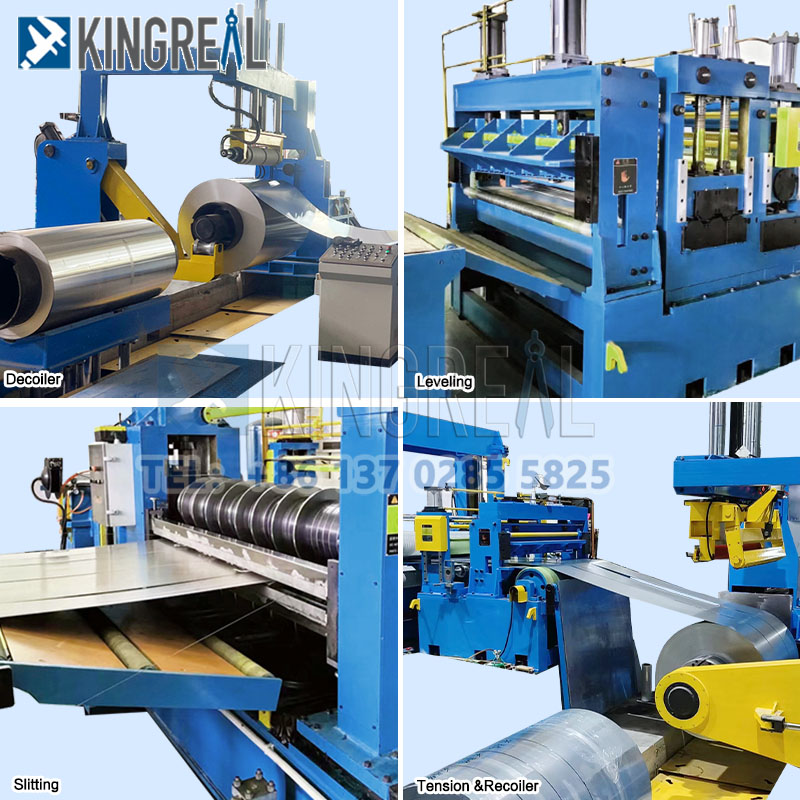
A loop slitting machine uncoils a metal coil, slices it into narrower strips using rotary knives, and recoils the strips for further processing or shipping.
2) What materials can be processed with a loop slitting line?
Loop slitting machines can process various metals, including steel, stainless steel, aluminum, copper, silicon steel, PPGI, and more.
3) What are the benefits of automation in loop slitting lines?
Automation can improve the accuracy and consistency of narrow strips, reduce manual labor, increase production, and minimize human error.
4) How often should a loop slitting machine be maintained?
Maintenance of loop slitting lines is divided into daily inspections and periodic overhauls. The KINGREAL STEEL SLITTER team will provide recommendations based on the customer's usage frequency and other factors.
5) What is the lifespan of slitting blades?
The lifespan of slitting blades is influenced by production volume, operating conditions, and material properties. Variations in blade composition and application typically affect longevity.
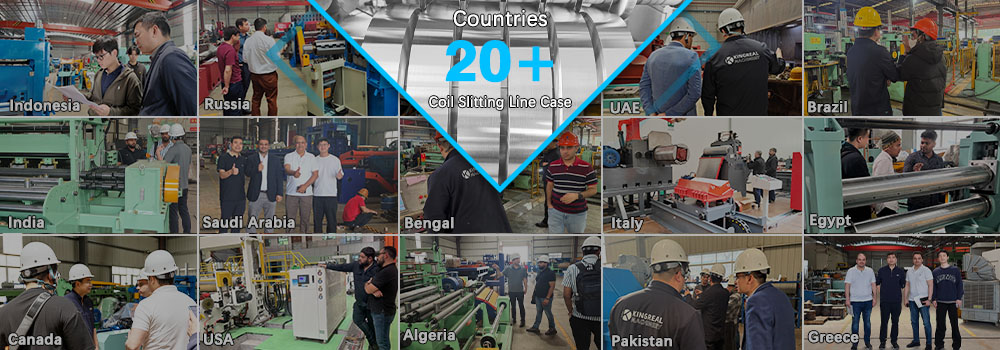
As a specialized designer and manufacturer of metal slitting lines, KINGREAL STEEL SLITTER boasts over two decades of extensive experience in the design and fabrication of metal slitting lines. Leveraging deep technical expertise and a robust manufacturing infrastructure, the company has successfully designed numerous metal slitting lines to date. These systems have been successfully commissioned and are currently operating smoothly in customer facilities across various countries and regions worldwide, delivering exceptional production efficiency and value to our clients. KINGREAL STEEL SLITTER metal slitting line installations span a diverse geographical footprint—including Saudi Arabia, Italy, Mexico, Brazil, Indonesia, Canada, Turkmenistan, and others—covering all major global metal processing markets and establishing a rich portfolio of international project references.
Most recently, a new metal slitting line—manufactured in collaboration with a client in India—was successfully dispatched to the customer's facility just yesterday.
KINGREAL STEEL SLITTER remains committed to continuously optimizing the design schemes and performance parameters of metal slitting lines. By staying abreast of the latest technological advancements and responding directly to the practical production requirements of our clients, we ensure that every metal slitting line we deliver is perfectly tailored to the specific operational environment and production needs of the customer. Furthermore, KINGREAL STEEL SLITTER provides clients with a comprehensive suite of support services—including factory visits, customized metal slitting line design, machine installation, operational training, maintenance, and spare parts supply. By safeguarding the entire production process, we ensure that our clients can utilize their metal slitting lines with maximum efficiency and stability.