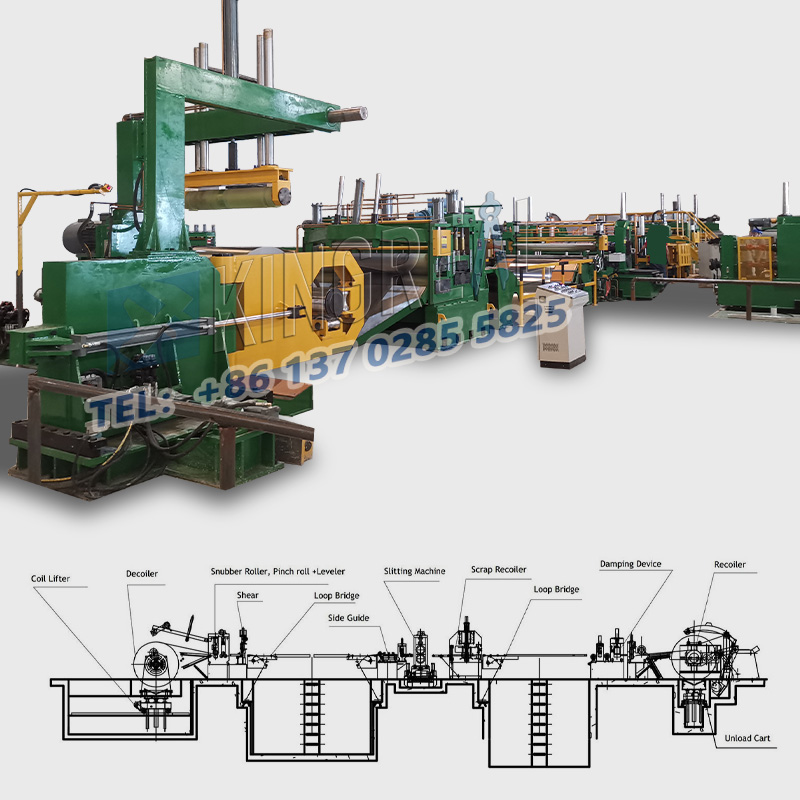
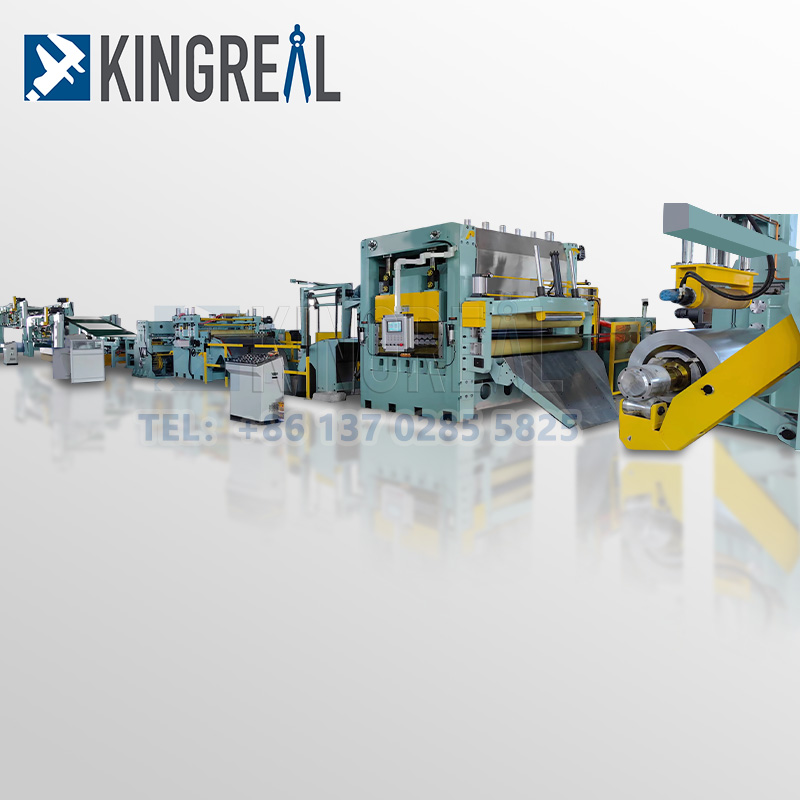
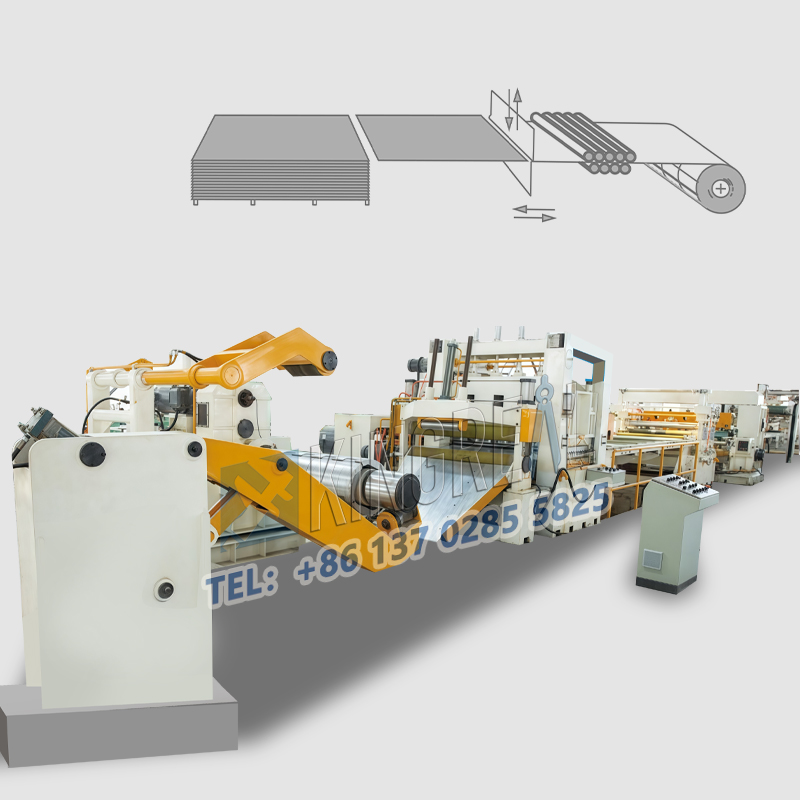
In the field of precision metal processing, purchasing a high-quality steel strip slitting machine represents a significant capital investment.
To ensure that the steel strip slitting line's actual production performance matches the specifications outlined in the blueprints, the Factory Acceptance Test (FAT) serves as a critical, indispensable step prior to delivery.
This article provides a detailed overview of the FAT for steel strip slitting machines, explains why it is vital for your production line, and outlines the professional procedures to be carried out during the acceptance process.
What is the FAT for a Steel Strip Slitting Machine?
The Factory Acceptance Test (FAT) is a final functional inspection conducted by the manufacturer at their facility after the steel strip slitting line has been built but before it is shipped.
This process typically requires the customer to visit the manufacturing site and work alongside factory engineers to verify the machine against the technical specifications detailed in the purchase contract, item by item.
In essence, the FAT verifies that the steel strip slitting line is ready—confirming it can operate stably at the expected levels of precision and speed.
Why is the FAT so important for a Steel Strip Slitting Machine?
For any enterprise operating a steel strip slitting line, skipping the FAT can lead to serious consequences. Conducting an FAT offers the following benefits:
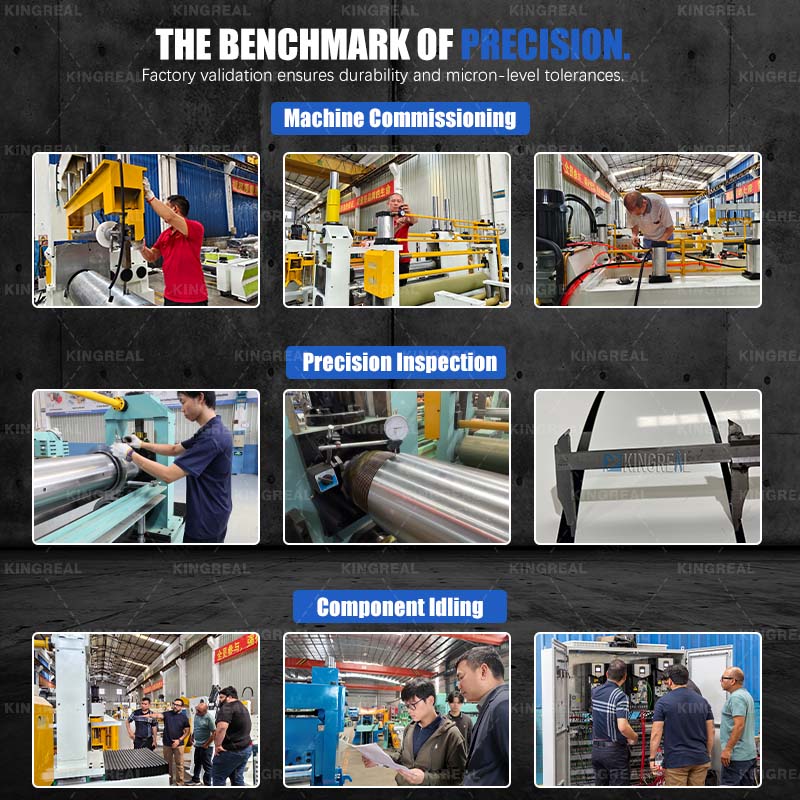
How is the FAT Conducted for a Steel Strip Slitting Machine?
A professional FAT for a steel strip slitting line should follow these five rigorous steps:
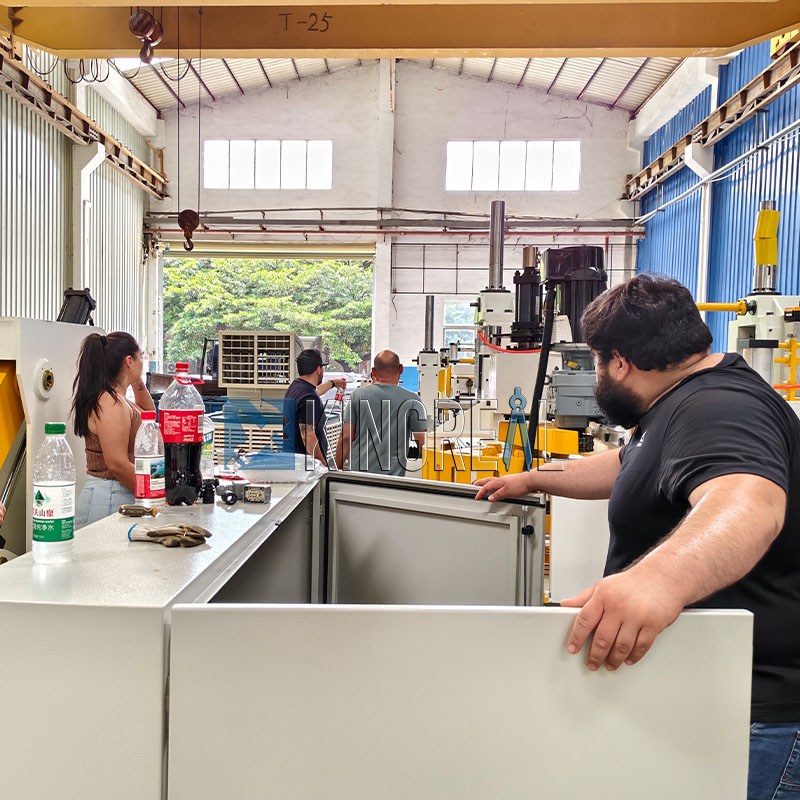
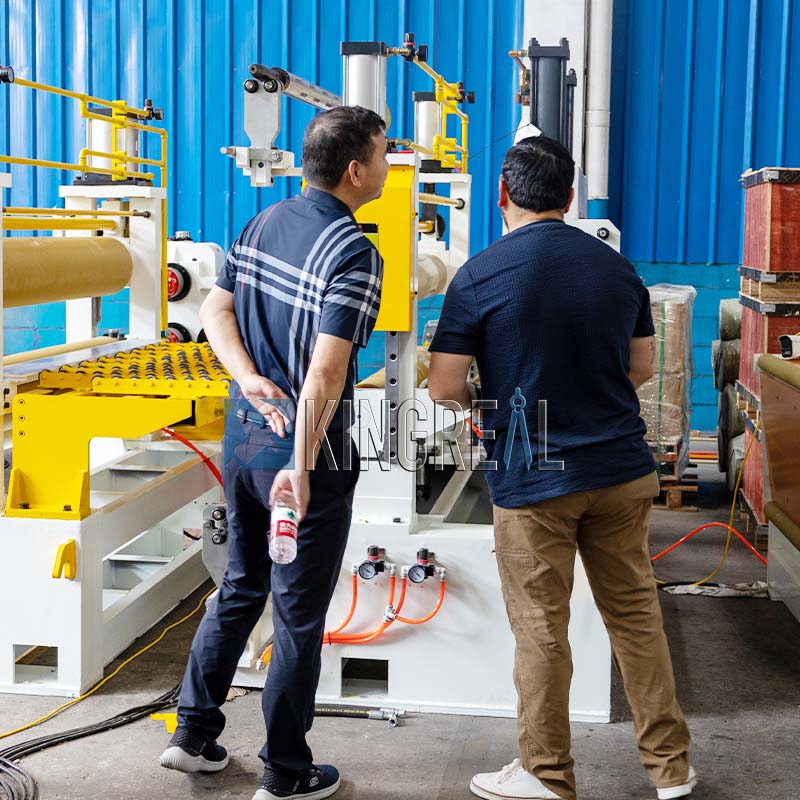
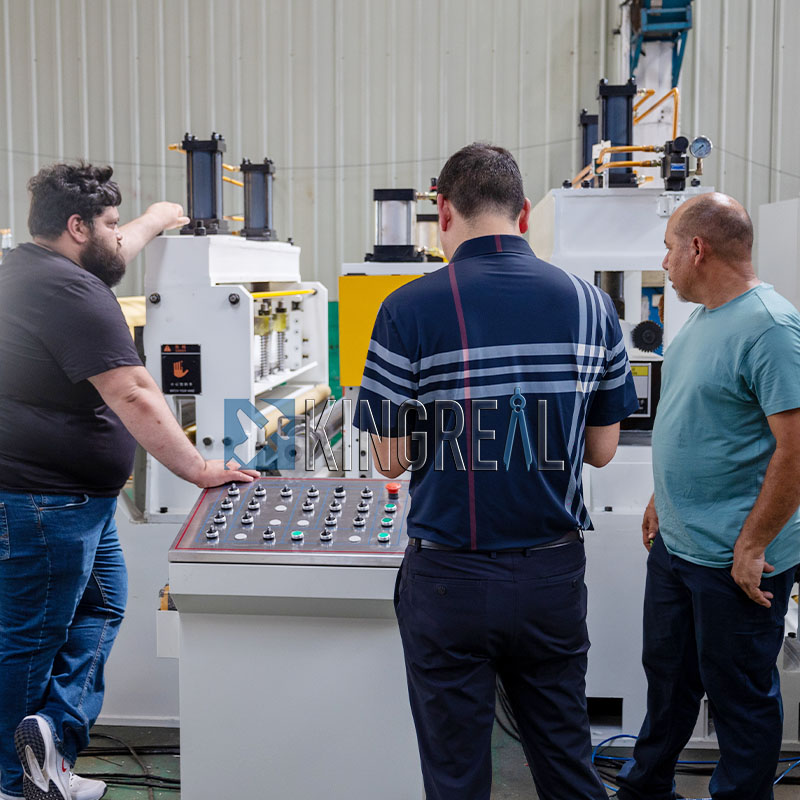
1. Verification of External Condition and Specifications
The process begins with a physical inspection of the steel strip slitting machine.
-Dimensional tolerances: Check whether the installation dimensions of core components—such as the decoiler, slitter, and recoiler—comply with the original technical drawings.
-Component integrity: Verify that the brands of the motor, hydraulic station, and PLC match the contractual specifications.
-Safety inspection: Ensure that safety fences, emergency stop buttons, and sensors are correctly installed and undamaged.
 |
 |
 |
2. No-Load Component Testing
Start the steel strip slitting machine without loading any steel strip.
-Noise and vibration: Monitor the sound of the gearbox and slitter spindle at various speeds; abnormal vibration often indicates improper bearing installation.
-Logic response: Test the manual/automatic switching of the PLC control system and ensure the signal feedback from the recoiling tension control system is responsive.
3. Actual Material Run Test
This is the core phase of the FAT.
The customer should provide—or require the manufacturer to prepare—the actual material coils needed for production to conduct a full-process trial run.
-Strip threading smoothness: Observe whether the steel strip deviates from its intended path between the decoiler and the guiding rollers.
-Slitting stability: Observe the cutter shafts for any runout or oscillation while the steel strip slitting line operates at high speeds.
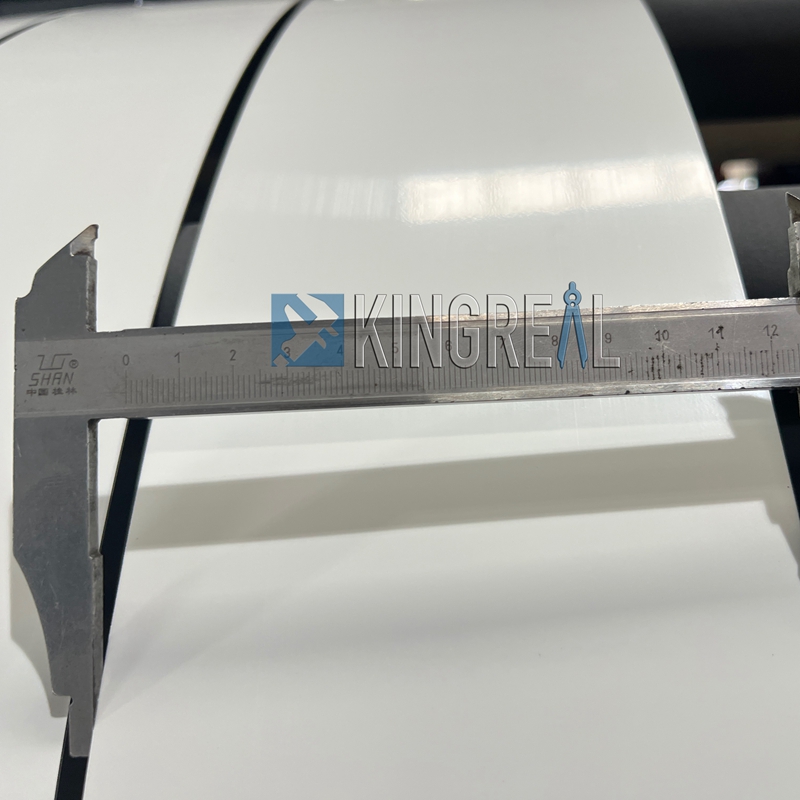
4. Finished Product Quality Inspection
The quality of the slit steel strips is the ultimate benchmark for the steel strip slitting line's performance.
-Surface quality: Inspect the strip surface for scratches caused by pinch rolls or guide plates.
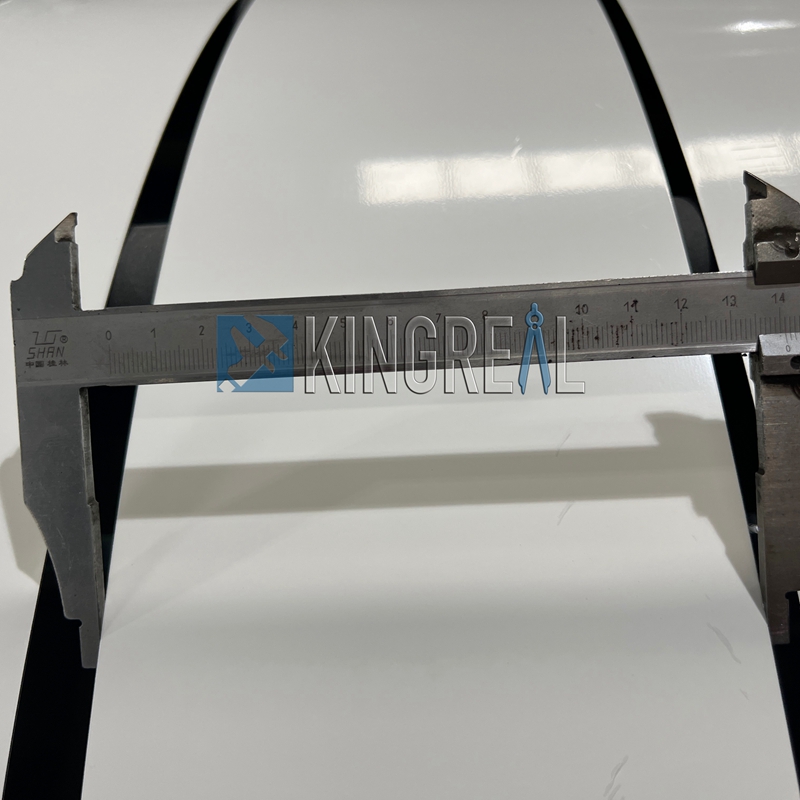
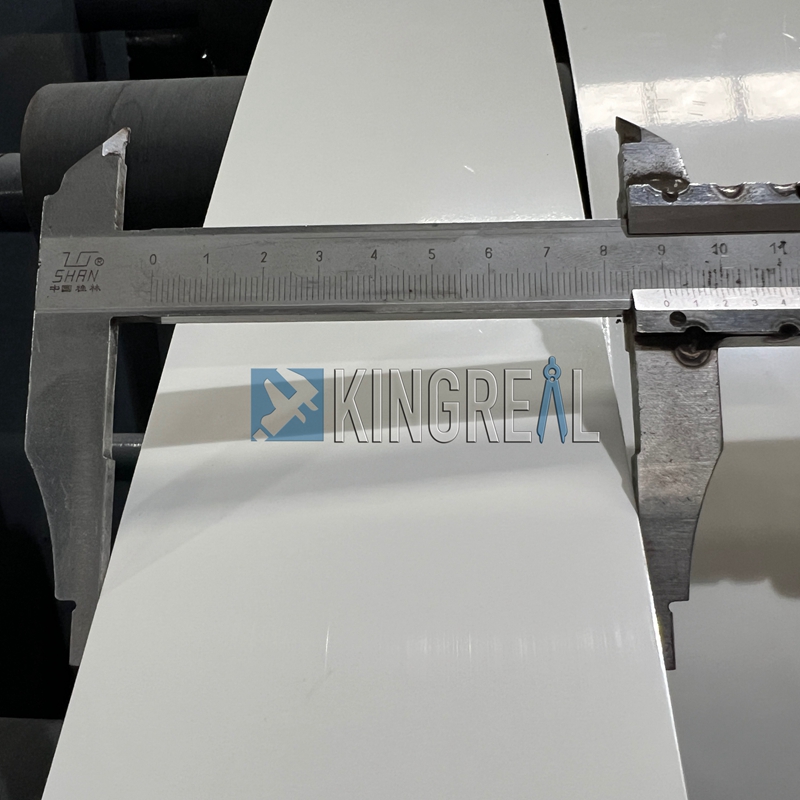
-Edge burrs: Measure the slit edges using precision instruments. High-quality slitting should result in minimal burr height and smooth edges.
-Dimensional consistency: Measure the width tolerance of the slit strips. For precision steel strip slitting machines, width deviation should be kept within a very tight range.
 |
 |
 |
5. Targeted Fine-Tuning
Based on performance during the trial run, engineers will make fine adjustments to the steel strip slitting machine's blade clearance and winding tension.
Any minor issues preventing the steel strip slitting line from reaching 100% optimal performance are documented, and the manufacturer is required to resolve them before shipment.
FAQ: Acceptance Testing for Steel Strip Slitting Machines
Q: Should I bring my operators along for the FAT?
A: It is highly recommended. The FAT is not merely an acceptance procedure; it is also an excellent opportunity for hands-on training. It allows operators to gain a practical understanding of the steel strip slitting machine.
Q: Is FAT required only for new steel strip slitting lines?
A: Yes, FAT is a mandatory step for customized steel strip slitting machines.
Even for standard models, baseline test data from the factory is crucial, given potential vibrations during transport and variations in installation environments.
FAT serves as an insurance policy for your investment in the steel strip slitting machine. By resolving 99% of potential issues before shipment, you ensure production continuity after delivery and safeguard your company's reputation within the global supply chain.
When selecting a supplier for your steel strip slitting machine, ensure they possess a comprehensive FAT testing platform and professional acceptance protocols.
Remember, it is far less costly to discover a loose screw at the factory than on a production line thousands of miles away.
KINGREAL STEEL SLITTER rigorously conducts acceptance testing on every steel strip slitting line before it leaves the factory, ensuring that the equipment delivered to the customer is of high quality and reliability.
To learn more about the services KINGREAL STEEL SLITTER offers, please feel free to contact us directly!