In the field of metal processing, the precision roller leveler has revolutionized the post-processing of metal workpieces.
From stainless steel sheets to complex laser-cut parts, and from highly conductive copper strips to lightweight aluminum alloys, precision leveling serves not only to enhance aesthetics but—more importantly—to ensure that subsequent bending, stamping, and welding processes can be automated and defect-free.
This article provides an in-depth analysis of the internal structure and core leveling logic of metal plate leveling machines, as well as the unique design features that allow them to excel in diverse industrial applications.
|
1. Eliminating Internal Material Stress Metal sheets develop uneven internal stresses during the production process. The primary task of a precision roller leveler is to subject metal fibers to alternating elastic-plastic deformation via a specially designed roller assembly, ultimately achieving a uniform metal fiber structure.
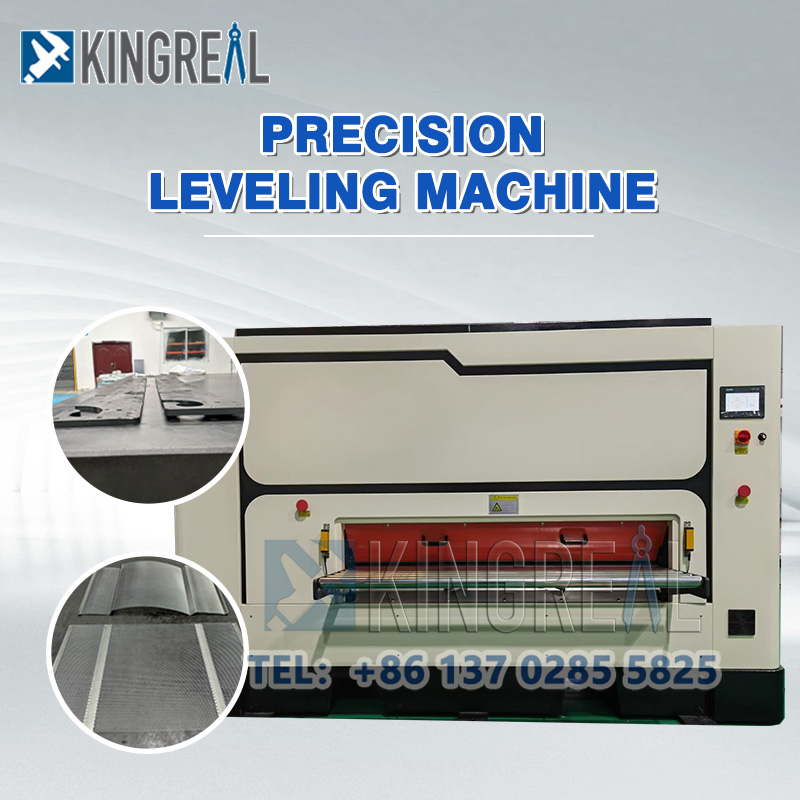
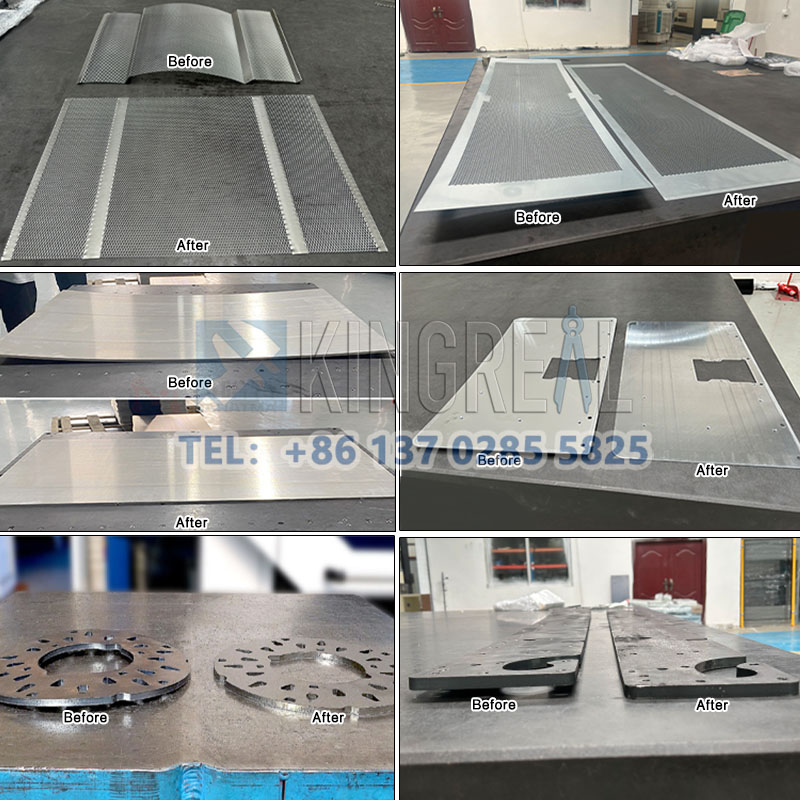
2. Broad Material Compatibility Thanks to advanced drive systems and precise pressure control, precision levelers demonstrate exceptional material adaptability: Mesh and perforated sheets: Prevents edge warping caused by the punching process. Laser-cut sheets: Eliminates deformation caused by thermal stress during cutting. Alloy sheets and stainless steel: Maintains a scratch-free surface finish even when processing high-hardness materials. Non-ferrous metals (aluminum, copper, etc.): Ensures linear flatness for highly flexible materials. |
 |
To guarantee absolute precision in leveling results, precision roller levelers incorporate several revolutionary mechanical design features.
1. Multi-layer, Closely Spaced Roller Configuration
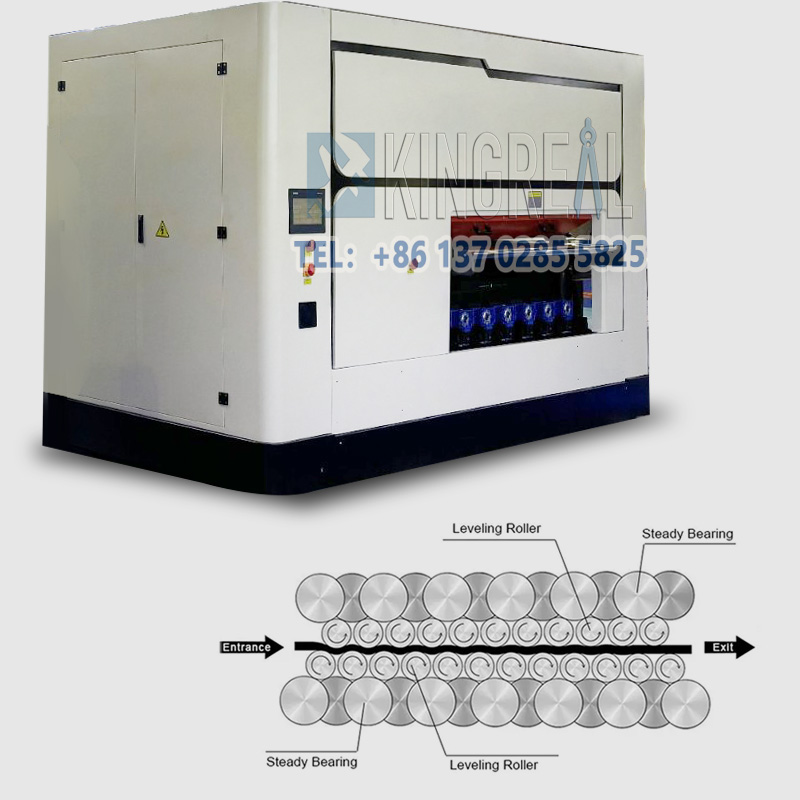
The key distinction between precision roller levelers and standard metal plate leveling machines lies in the number and spacing of the rollers.
Physical Logic: These precision roller levelees utilize a configuration featuring multiple layers of closely spaced leveling rollers. As the sheet passes through the roller assembly, it undergoes dozens of alternating bending cycles, transitioning from larger to smaller amplitudes.
Effect: This dense sequence of alternating bends ensures that, as the metal material passes through each set of rollers, it precisely exceeds its yield strength, thereby allowing the metal fibers to realign. The closer the spacing, the higher the leveling resolution and the greater the ability to eliminate minute wavy patterns.
2. Staggered Back-up Rollers
When subjected to immense downward pressure, leveling rolls are prone to slight deflection. Once the rolls bow, the force applied to the center and edges of the leveled sheet becomes uneven, resulting in what is known as "center wave."
Specialized Structure: Precision roller levelers feature multiple sets of "staggered back-up rollers" positioned behind the leveling rolls.
Rigidity Assurance: These back-up rollers ensure that the leveling rolls maintain absolute straightness, even when processing high-strength steel plates or thick workpieces. This design significantly enhances the metal plate leveling machine's overall rigidity, serving as the physical foundation for high-quality leveling results.
3. Perfect Combination of Manual Adjustment and Digital Display
Precision Gap Control: Operators can precisely adjust the penetration depth of the leveling rolls by turning a handwheel, guided by real-time readings on the digital display.
Process Documentation: Digital readouts allow leveling parameters—such as material type and thickness—to be recorded digitally, facilitating rapid setup and standardized operations when processing the same material in the future.
 |
 |
In the field of precision leveling, 4-Hi and 6-Hi configurations represent the two most mainstream technical approaches; the choice between them directly determines processing efficiency and surface quality.
|
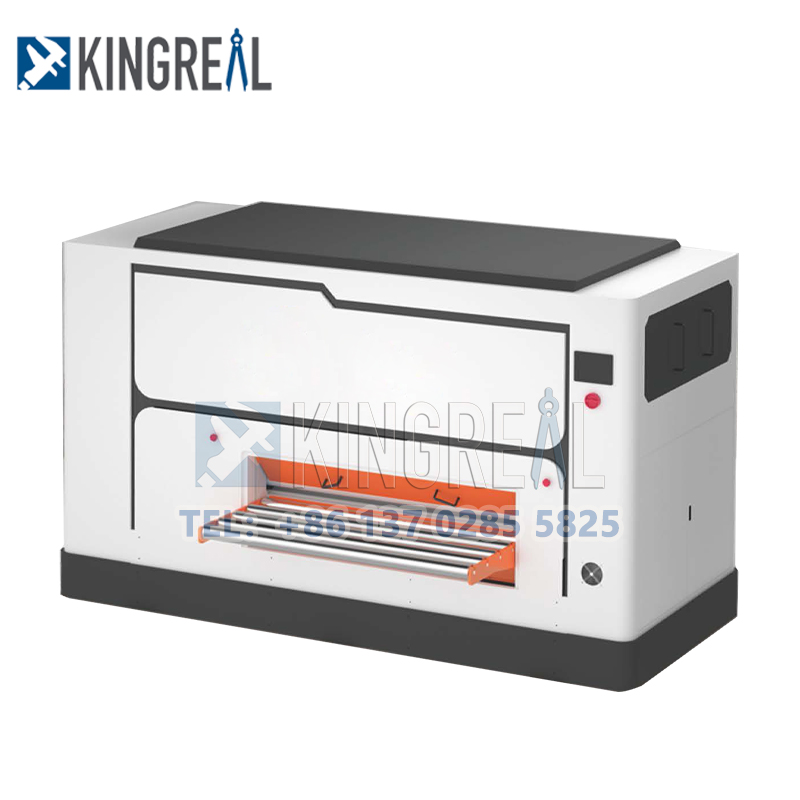
1. 4-Hi Precision Leveler Structural Configuration: Composed of two tiers of roll systems—upper and lower—each consisting of a work roll and a back-up roll. Advantages: Relatively simple structure, ease of maintenance, and low power transmission loss. Applications: Widely used for standard industrial requirements, particularly for thinner sheets and aluminum alloys. In most metal sheet processing sectors, 4-Hi precision roller levelers already deliver flatness levels that far exceed industry standards. |
 |
|
2. 6-Hi Precision Roller Leveler Structural Evolution: An additional layer of intermediate rolls is inserted between the work rolls and the back-up rolls, creating a six-tier functional roll system. Key Functions: Load Distribution: Intermediate rolls effectively distribute the concentrated support force exerted by backup rolls onto the work rolls. Surface Protection: When processing stainless steel mirror-finish sheets, high-gloss aluminum panels, or coated sheets, the 6-high structure prevents indentations caused by backup rolls from transferring directly to the material surface, thereby protecting sensitive materials. |
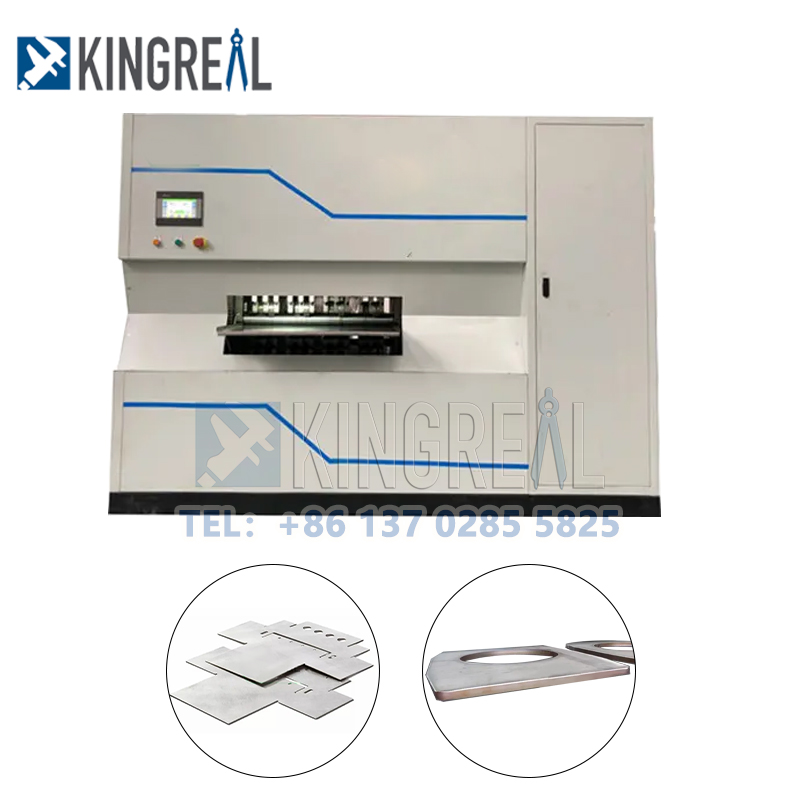 |
Technical Conclusion: 6-high metal plate leveling machines offer superior leveling precision and surface quality, making them essential tools for processing automotive body panels, high-end appliance panels, and precision instrument components.
1. Enhanced Automation Efficiency
Many metal processing sectors rely heavily on the flatness of raw materials. Uneven sheets can lead to positioning errors and inconsistent spring-back, frequently triggering alarms and error stops on automated production lines.
2. Material Cost Savings
Precision leveling allows materials that would otherwise be scrapped due to high internal stress or severe deformation to be reclaimed as qualified workpieces, significantly improving material utilization rates.
3. Increased Premium Value for End Products
Levelled metal products offer a visually premium appearance and superior structural stability, directly boosting a company's competitiveness and product pricing power in the international market.
KINGREAL STEEL SLITTER is dedicated to providing customized precision leveling solutions to global customers. Regardless of the material specifications or types you process, our metal plate leveling machines can meet your requirements.
Would you like to learn more about the technical details of our precision roller levelers or receive a customized quote? Please feel free to contact the KINGREAL STEEL SLITTER expert team.