In the modern metal processing industry, the galvanized steel slitting machine is primarily used to precisely slit wide galvanized steel coils lengthwise into multiple narrower strips, thereby meeting the customized width requirements of downstream industries.
Characterized by dimensional precision, surface flatness, and low material loss, the narrow galvanized steel strips produced by these galvanized steel slitting lines are widely used in sectors such as steel structural components for construction, home appliance casings, automotive parts, and hardware products.
This article provides a detailed explanation of the definition, complete process flow, and mainstream types of galvanized steel slitting machines, while comprehensively analyzing their core value and application advantages in the field of galvanized steel processing.
What is a Galvanized Steel Slitting Line?
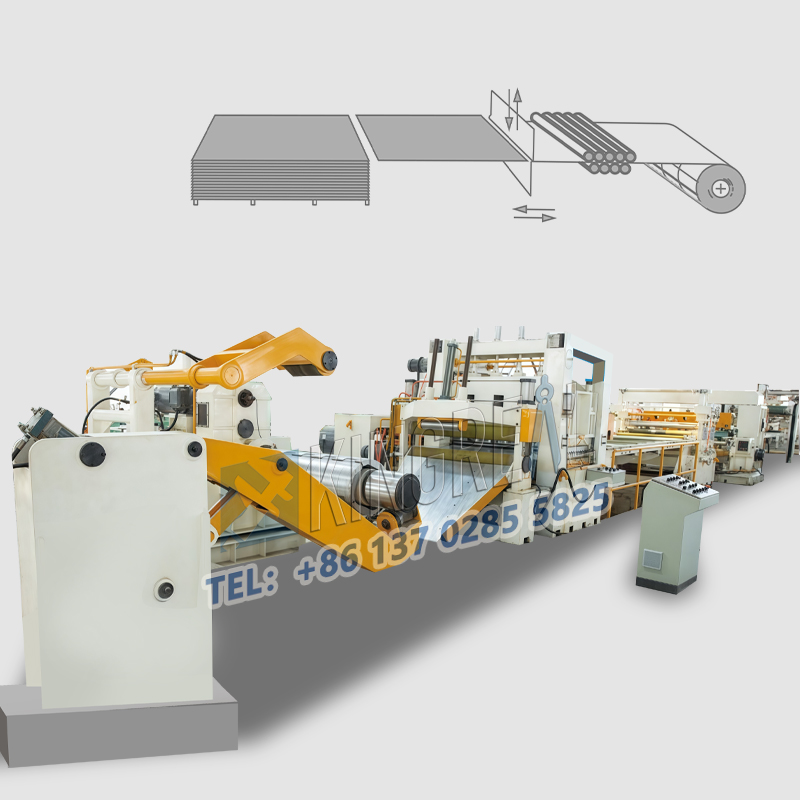
A galvanized steel slitting machine is designed specifically for the longitudinal slitting and rewinding of metal coils, making it particularly well-suited for the precision processing of galvanized steel coils. It has completely replaced outdated manual cutting methods, enabling automated, standardized, and precision-oriented slitting operations.
Modern high-speed coil slitting machines can handle galvanized steel of varying materials and thicknesses, while also accommodating other metal coils such as ordinary carbon steel and stainless steel. By adjusting cutting parameters to meet production needs, these galvanized steel slitting lines significantly boost processing speeds without compromising cutting accuracy. They effectively resolve common issues associated with traditional processing methods—such as insufficient capacity and inconsistent product quality—thereby increasing output and optimizing product quality.
What is the process flow of a Galvanized Steel Slitting Line?
|
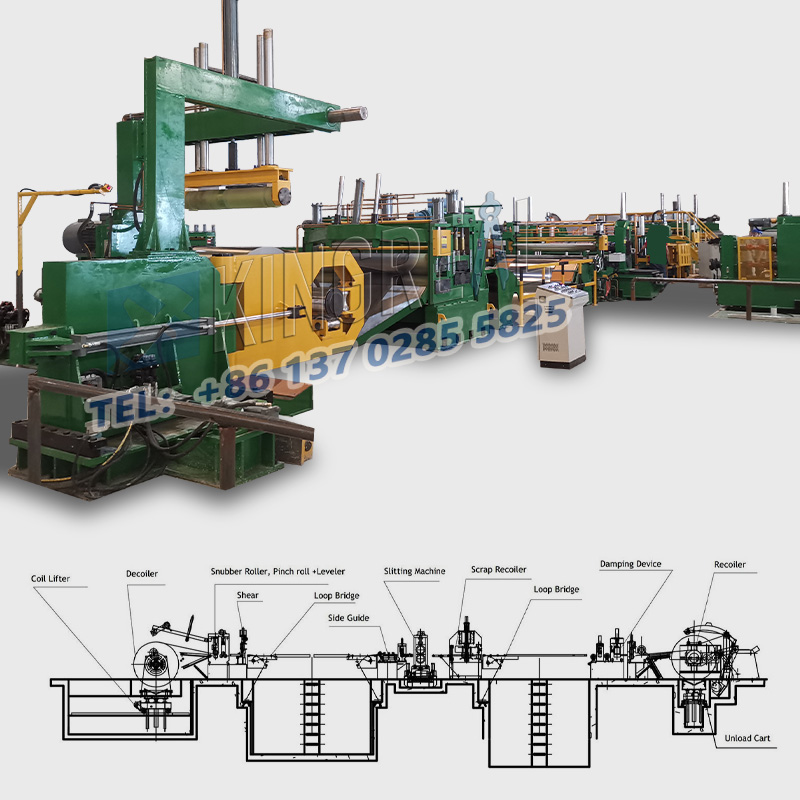
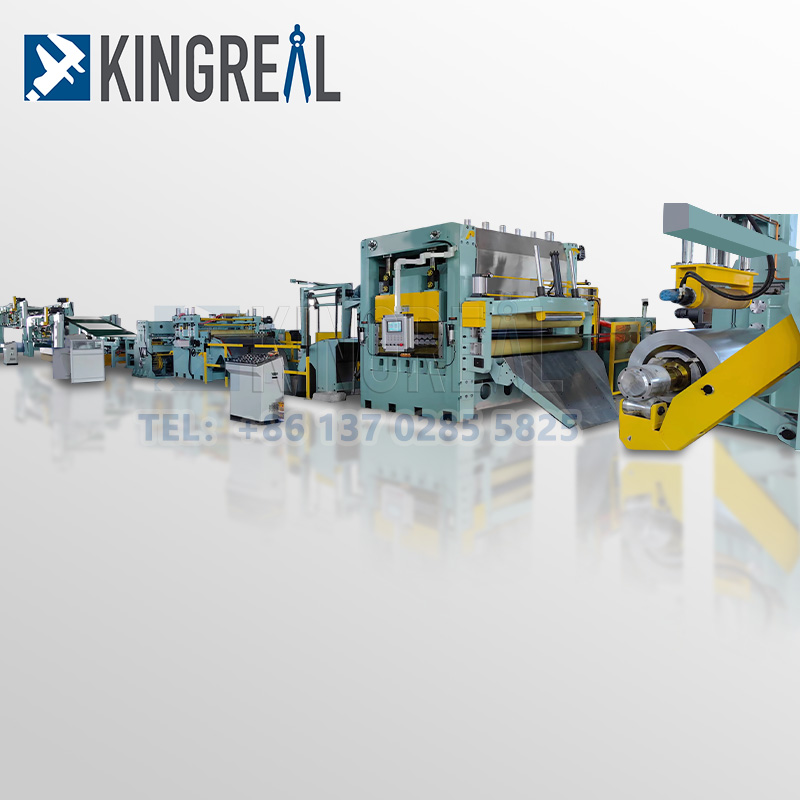
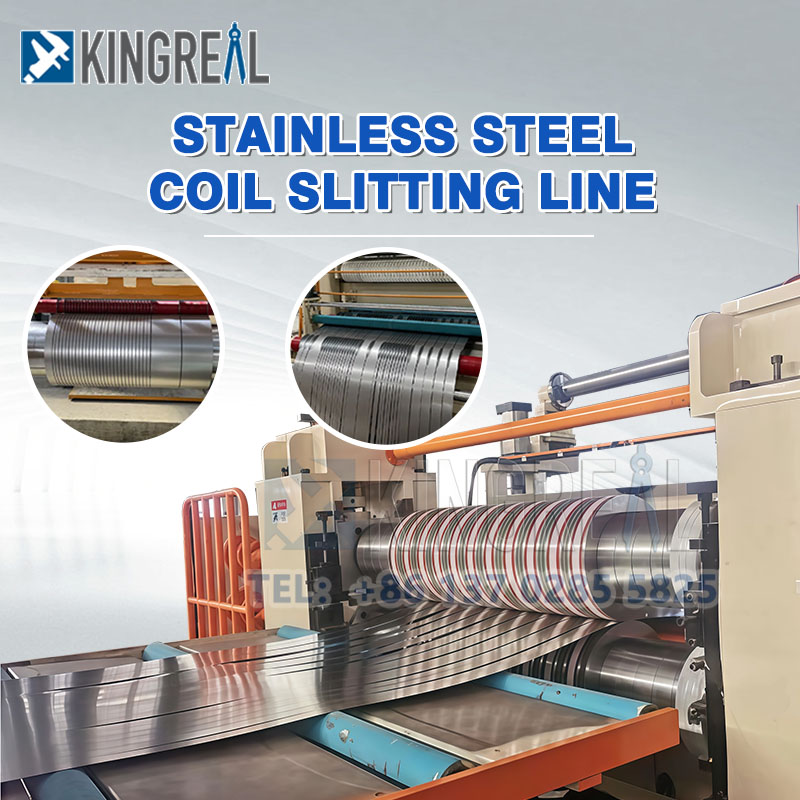
A galvanized steel slitting machine consists of several core precision components, including a decoiler, a main slitter, a tensioning device, and a recoiler. These components work in concert to create a standardized, continuous slitting process characterized by a high degree of automation and minimal manual intervention.
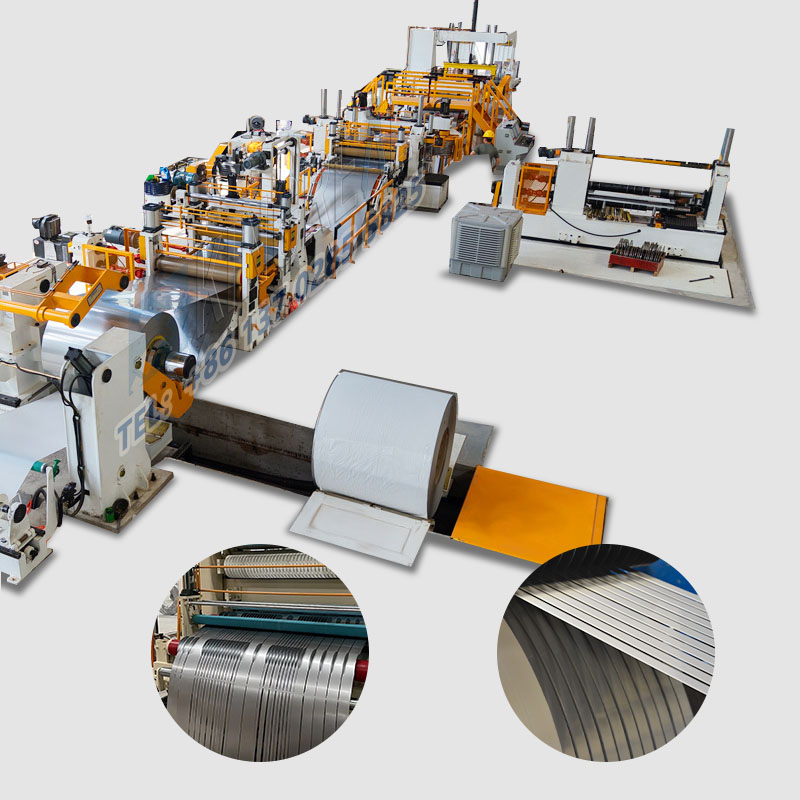
The first step in the process is uncoiling and feeding: the galvanized steel coil is secured onto the decoiler, and a servo control system releases the material at a constant speed. Simultaneously, a guiding device corrects any strip deviation, ensuring the steel strip is fed smoothly and straight into the next stage of the process. Subsequently, the steel strip enters the main slitter with precision under constant tension. Equipped with high-precision rotary slitting blades, the machine continuously cuts the wide galvanized steel strip lengthwise according to preset width parameters, simultaneously dividing the entire coil into multiple narrow strips of uniform specifications. The blades undergo precision grinding and calibration, ensuring clean cuts with no burrs or deformation at the edges, thereby minimizing material waste and maximizing raw material utilization. Following the slitting process, the galvanized steel slitting line can perform finishing operations—such as edge trimming, leveling, and deburring—based on product requirements. These steps correct any minor deformations caused during slitting, ensuring the narrow strips are flat and meet dimensional specifications. Finally, the qualified narrow strips are uniformly rewound by a recoiler into neat coils, which are then packaged for storage and transport.
Modern galvanized steel slitting machines offer a wide processing range; they can stably handle slitting widths from 19.69 to 78.74 inches and process galvanized steel coils up to 0.63 inches thick, meeting the standard processing needs of the vast majority of industries. |
 |
Common Types of Galvanized Steel Slitting Machines
Galvanized steel processing requirements vary across industries regarding thickness, precision, production capacity, and operating conditions. Consequently, there are various specialized slitting machine models available. Enterprises can flexibly select models based on their specific production environments and opt for customized modifications to fully meet unique production needs. Currently, the industry primarily classifies galvanized steel slitting lines based on three key dimensions: processing thickness, operating speed, and processing precision.
Based on material thickness
Galvanized steel slitting machines are categorized into thin-gauge, medium-gauge, and heavy-gauge models.
Light gauge slitting machines are suitable for processing ultra-thin galvanized steel strips (0.2–0.3 mm); medium gauge slitting machines handle galvanized steel with thicknesses of 3–6 mm and offer exceptional versatility; heavy gauge slitting machines process heavy-duty galvanized steel coils ranging from 6 to 16 mm in thickness.
Featuring high strength and load-bearing capacity, these heavy duty slitting machines are ideal for applications such as steel structure fabrication and the production of heavy industrial equipment components.
Categorized by operating speed
High speed slitting machines can reach operating speeds of up to 230 m/min, making them suitable for large-scale, high-volume processing of galvanized steel and significantly boosting enterprise productivity.
Additionally, the dual slitter head slitting line represents an intelligent upgrade; equipped with a dual-blade switching mechanism, it allows for blade replacement without stopping the galvanized steel slitting line.
This eliminates the downtime and production interruptions associated with traditional galvanized steel slitting machines, effectively increasing equipment utilization rates and continuous production capacity.
Categorized by processing precision
Utilizing a flexible belt tensioning structure, the galvanized steel slitting line applies uniform, controllable, and constant tension across the entire coil of galvanized steel. This ensures highly consistent tension in the resulting narrow steel coils, completely avoiding issues such as uneven tightness, loose or unraveling coils, and interlayer misalignment. It significantly enhances the stability of the finished coils during stacking, transport, and secondary processing, making it the premier choice for high-end, precision galvanized steel strip processing.
Furthermore, manufacturers can customize the design and production of galvanized steel slitting machines to meet specific requirements regarding materials, specifications, and processes, catering to a wide range of niche processing applications.
Advantages of Galvanized Steel Slitting Machine
Exceptional customization capabilities
Galvanized steel slitting machines can precisely process galvanized narrow steel strips to specific widths, thicknesses, and material types based on customer production needs. Leveraging precise longitudinal slitting technology, they directly produce finished strips suitable for applications such as component manufacturing, roll forming, and pipe production. This eliminates the need for subsequent cutting or trimming, drastically reducing downstream processing steps, production costs, and material waste.
Ultra-high processing precision
Modern high speed slitting machines feature imported precision cutting tools and servo control systems, enabling width tolerance control at the micron level and ensuring excellent dimensional stability. The processed galvanized narrow steel strips are dimensionally precise and highly consistent, allowing for direct integration into intelligent production lines—such as automated stamping equipment and CNC machining centers—without the need for manual adjustment or secondary processing, perfectly meeting the demands of modern precision manufacturing.
Superior finished product quality
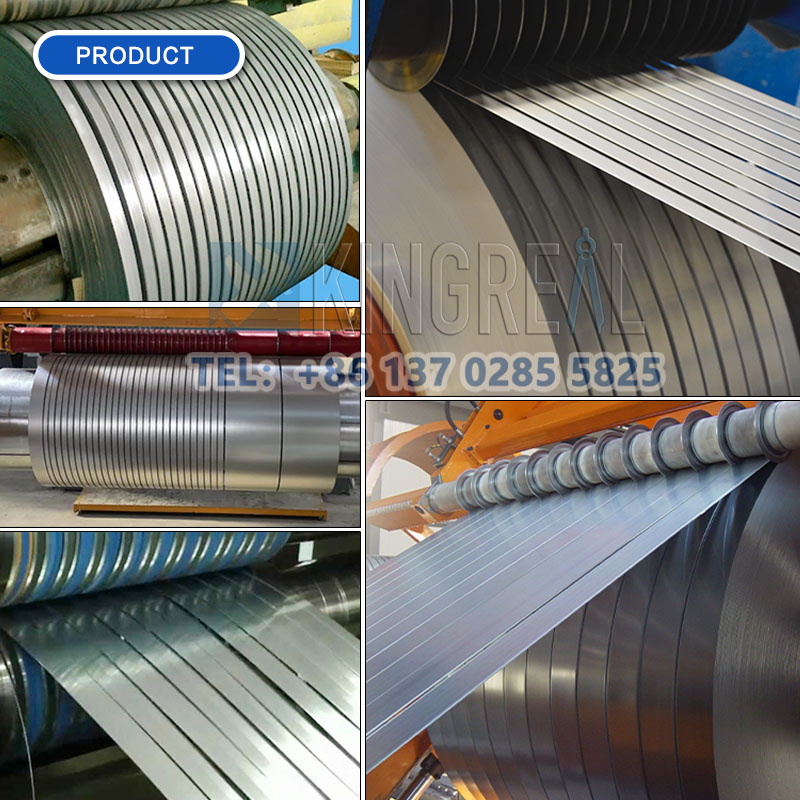
Utilizing stable tension control systems and precision blade cutting technology, these advanced galvanized steel slitting lines produce narrow galvanized steel strips with flat surfaces, smooth edges, and no burrs or deformation, ensuring consistent product quality.
These high-quality slit strips are well-suited for secondary processing—such as bending, stamping, welding, and roll forming—and are widely used in end products ranging from building envelope systems and home appliance housings to automotive interiors and structural components, thereby guaranteeing the forming quality and operational stability of the final products.
 |
 |
For more information on galvanized steel slitting machine models, specifications, and customized solutions, please contact KINGREAL STEEL SLITTER directly.