In the metal processing industry, compact cut to length machines have become a mainstream choice for small and medium-sized enterprises due to their compact design, ease of operation, and exceptional cost-effectiveness.
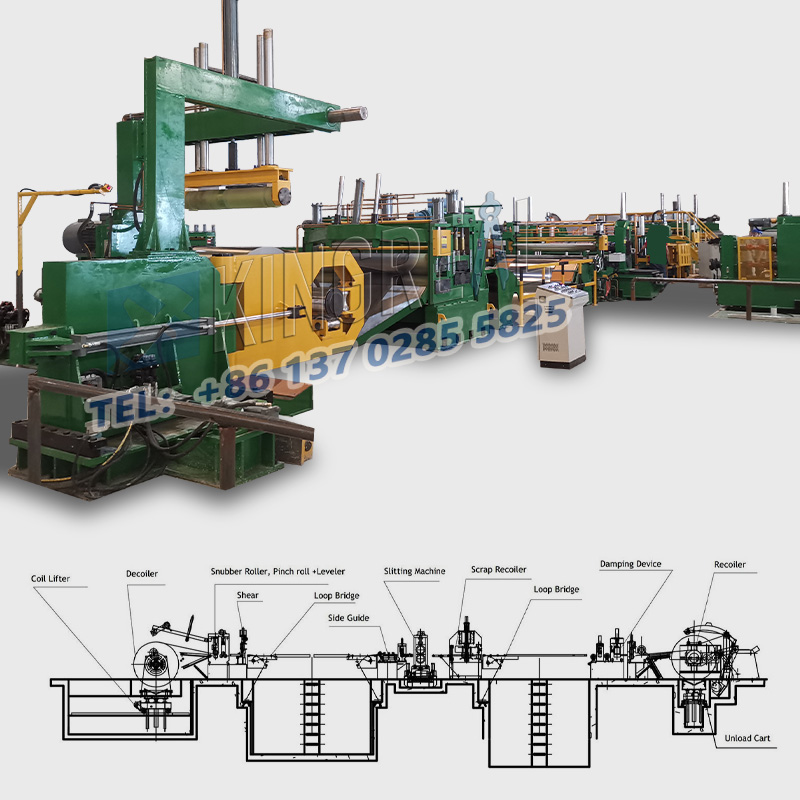
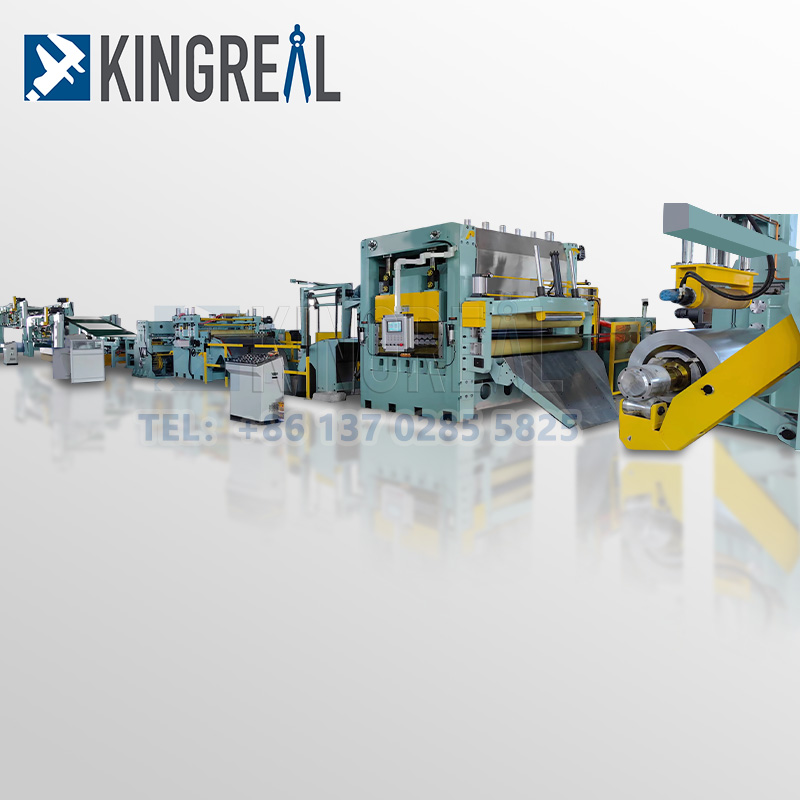
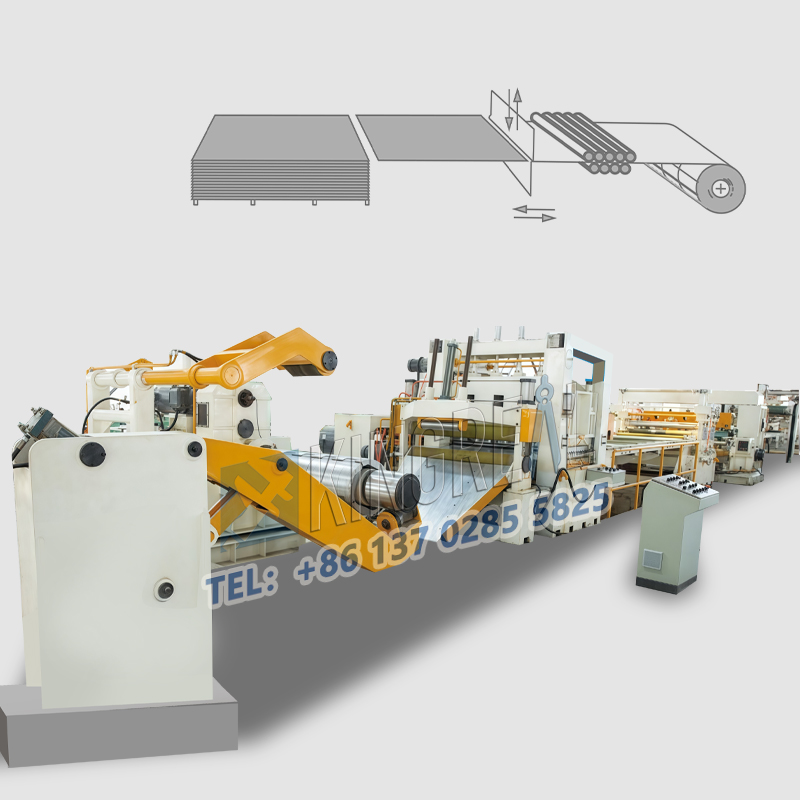
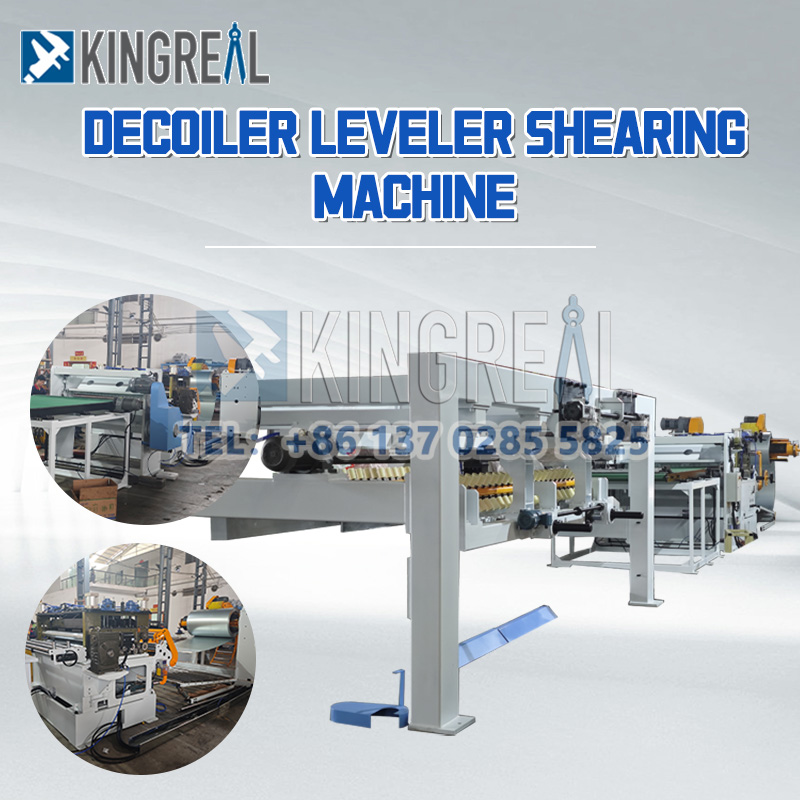
These compact cut to length lines typically consist of a decoiler, a leveler, a cut-to-length machine, and a stacker; these components work in concert to form a complete automated processing system. Designed to minimize factory floor space requirements, they overcome the drawbacks of traditional large-scale —such as large footprints and complex installation—by enabling a fully automated, one-stop process that transforms metal coils into custom-sized sheets, thereby significantly streamlining the workflow.
The core function of the compact cut to length line is to precisely cut various large metal coils into flat sheet components of specific lengths and dimensions. It is compatible with a wide range of common metal materials—particularly lightweight coils like cold-rolled steel and galvanized steel—while also handling standard materials such as color-coated steel and aluminum alloys.
Thanks to their compact footprint, high level of automation, ease of use, and excellent value, these compact cut to length machines serve as an ideal processing solution for a variety of settings, including small and medium-sized metal processing plants, startups, and hardware workshops.
Operational Workflow of Compact Cut to Length Line
The production process is seamless and orderly, with the four core components performing distinct yet coordinated roles. Operations—from raw material loading to finished product stacking—are fully automated, ensuring tight process integration and stable performance.
|
The first core component is the decoiler, which supports and secures the metal coil, providing a steady supply of raw material for subsequent steps. After operators load the coil onto the decoiler and secure it to prevent shifting or slipping, the machine is activated; the decoiler unwinds the heavy coil at a constant speed and feeds it smoothly to the next stage. This ensures consistent material delivery, preventing jams or misalignment, and lays the groundwork for the subsequent leveling and shearing processes.
The second step is precision leveling. Metal coils uncoiled by the decoiler typically retain curvature and internal stress, along with minor surface irregularities or warping, making them unsuitable for precision shearing. This is where the leveler in the compact cut to length machine comes into play: the coil enters the leveler at a constant speed and undergoes repeated rolling and correction by multiple sets of precision leveling rollers. This process thoroughly eliminates coil curvature and internal stress while smoothing out surface wrinkles and warping, ensuring the sheet remains flat and uniform. This step is crucial for guaranteeing dimensional accuracy and flatness during subsequent shearing, thereby enabling the production of high-quality sheets.
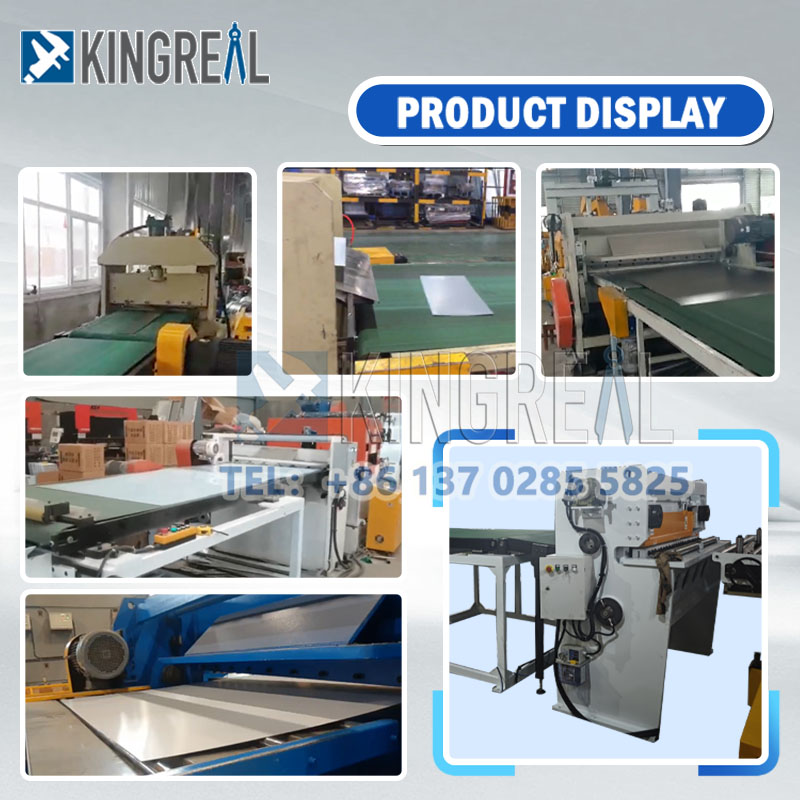
The third step is precision length-based shearing. The leveled metal sheets are continuously conveyed to the cut-to-length machine. Equipped with large, high-hardness, sharp blades and a CNC length-control system, the machine allows operators to preset parameters such as cutting length and quantity. During operation, the system automatically and precisely measures the sheet feed; once the target specification is reached, the shearing blade executes a rapid, smooth cut. The resulting edges are clean, burr-free, and undistorted, ensuring consistent dimensions and processing accuracy for every sheet. Thanks to its intelligent control system, the compact cut to length line can flexibly adapt to various shearing specifications, enabling customized cutting.
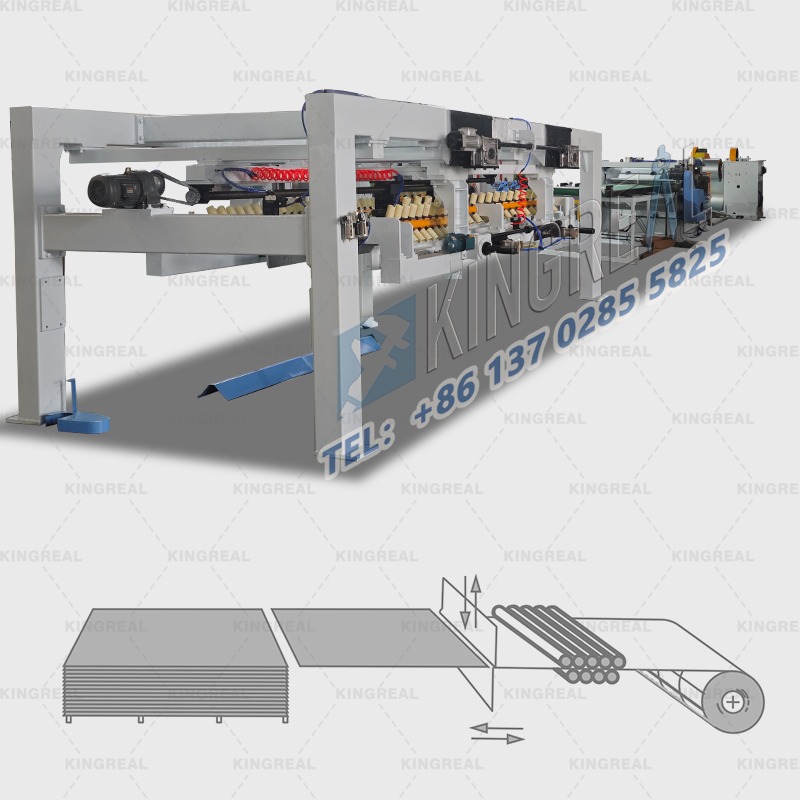
The fourth step is automatic stacking. After shearing, the finished sheets are automatically transported via a conveyor mechanism to the stacker at the end of the compact cut to length machine. This stacker features automatic stacking and alignment capabilities, neatly organizing the processed sheets to prevent scratches or deformation caused by haphazard piling. The entire stacking process is automated. The stacked finished sheets are ready for immediate sale, secondary processing, or warehousing; this significantly boosts production and storage efficiency, allowing the compact cut to length line to achieve an integrated, closed-loop production process from raw material to finished product. |
 |
Advantages and Applications of Compact Cut to Length Line
Compared to traditional large-scale standard cut to length machines, the core advantage of compact cut to length machines is their minimal footprint and flexible equipment layout. They can be installed without the need for specialized, large-scale factory buildings, making them perfectly suited for production workshops with limited space.
Additionally, these compact cut to length lines feature a streamlined structure and low failure rates; while operating with full automation, they consistently deliver excellent shearing precision, ensuring minimal dimensional errors and high product pass rates—effectively balancing low costs with high-quality processing requirements.
At the same time, these compact cut to length machines have specific operational characteristics: designed to meet lightweight and low-cost production needs, they primarily process light-gauge metal materials and are not suitable for shearing ultra-thick, high-strength, or heavy-duty plates. In terms of speed, their processing rate is slightly lower than that of fully automated standard cut to length machines, meaning they cannot meet the demands of massive, high-output assembly line production. Consequently, they are precisely suited for niche, specialized, and small-to-medium volume production scenarios. They are the ideal choice for metal processing startups and SMEs facing constraints regarding production volume, factory space, and budgets.
With their streamlined structure, stable performance, extremely low operating and maintenance costs, and fully automated processing mode, compact cut to length lines perfectly align with the needs of the SME metal processing sector. They effectively resolve common pain points for small factories—such as limited floor space, high labor costs, inconsistent processing precision, and high equipment investment—and are widely used in industries including hardware processing, construction steel, small appliance manufacturing, and decorative material processing.
 |
 |
For more information on equipment specifications, customization options, and maintenance details regarding compact cut to length machines, please contact KINGREAL STEEL SLITTER directly. With years of expertise in cut to length line manufacturing, we offer a wide range of customized solutions. We tailor production equipment plans to meet each client's unique requirements—including processing materials, sheet specifications, production site conditions, and output targets—ensuring a comprehensive fit for diverse user needs.