In the modern metal processing industry, stainless steel has become a core material across sectors such as automotive manufacturing, construction, electrical engineering, and home appliances, thanks to its corrosion resistance, high strength, and superior aesthetic quality.
As an integrated processing system custom-engineered for stainless steel coils, the stainless steel cut to length line leverages high precision, automation, and multi-functionality to mass-produce standardized stainless steel sheets. It effectively resolves industry pain points associated with traditional shearing methods, such as poor dimensional accuracy, sheet deformation, and material waste.
What is a Stainless Steel Cut to Length Machine?
|
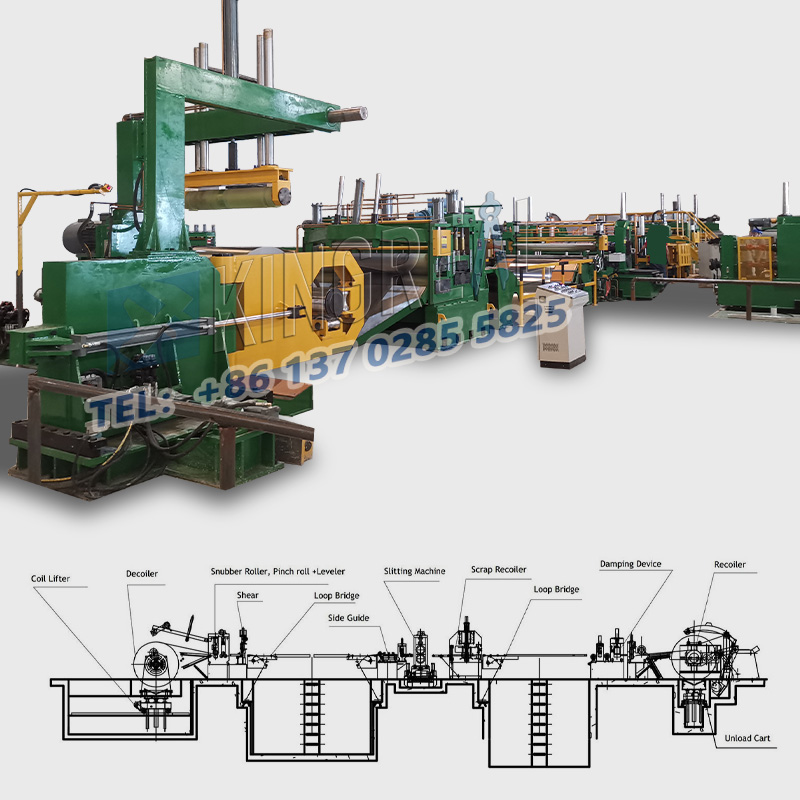
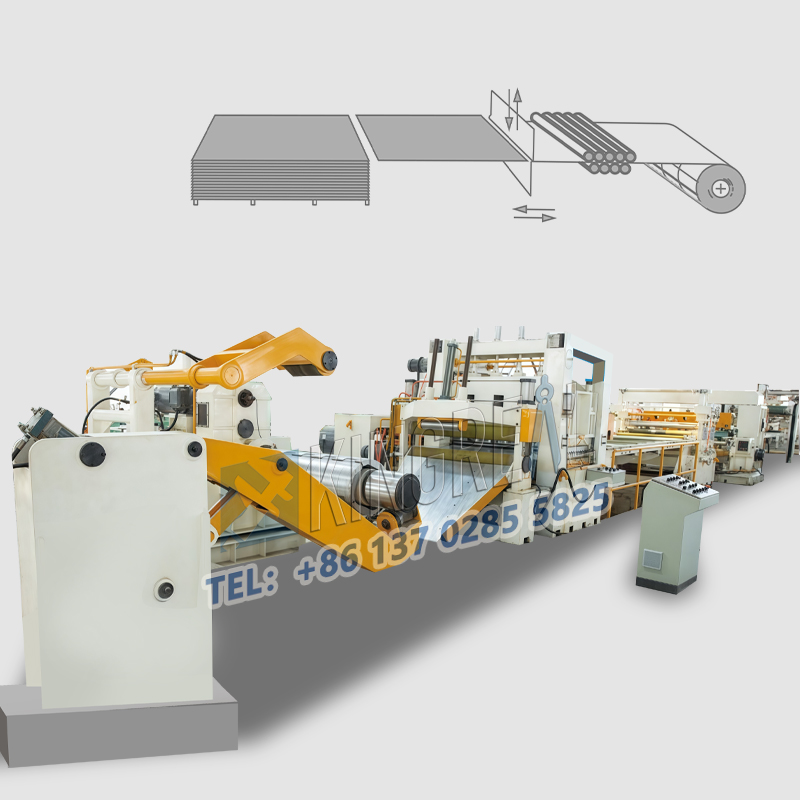
A stainless steel cut to length machine performs an integrated sequence of operations—including fully automatic uncoiling, precision leveling, feeding, accurate shearing, and finished-product stacking—specifically designed to transform stainless steel coils into precision flat sheets of various standard specifications. The stainless steel cut to length line structure and processing parameters are optimized for the specific material properties of stainless steel, enabling precise cross-cutting to length throughout the process.
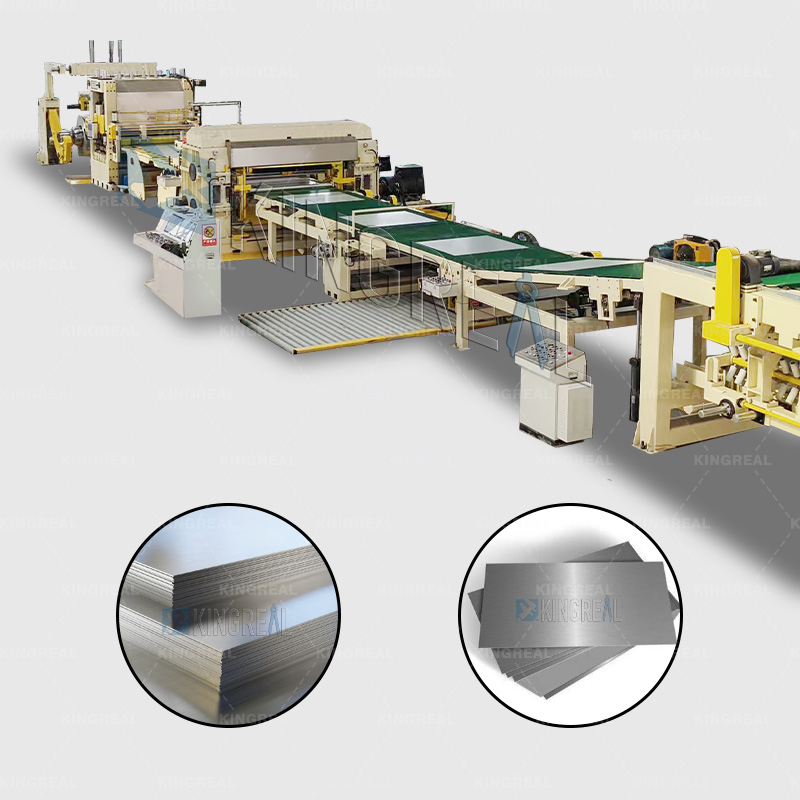
With precision processing as its core objective, the system not only strictly controls dimensional tolerances but also ensures excellent flatness, straightness, and edge quality. The resulting sheets are free from burrs, warping, and scratches, eliminating the need for secondary grinding or finishing; they are ready for immediate use in downstream deep-processing operations such as laser cutting, welding, stamping, and bending. |
 |
Detailed Breakdown of Stainless Steel Cut to Length Line Process
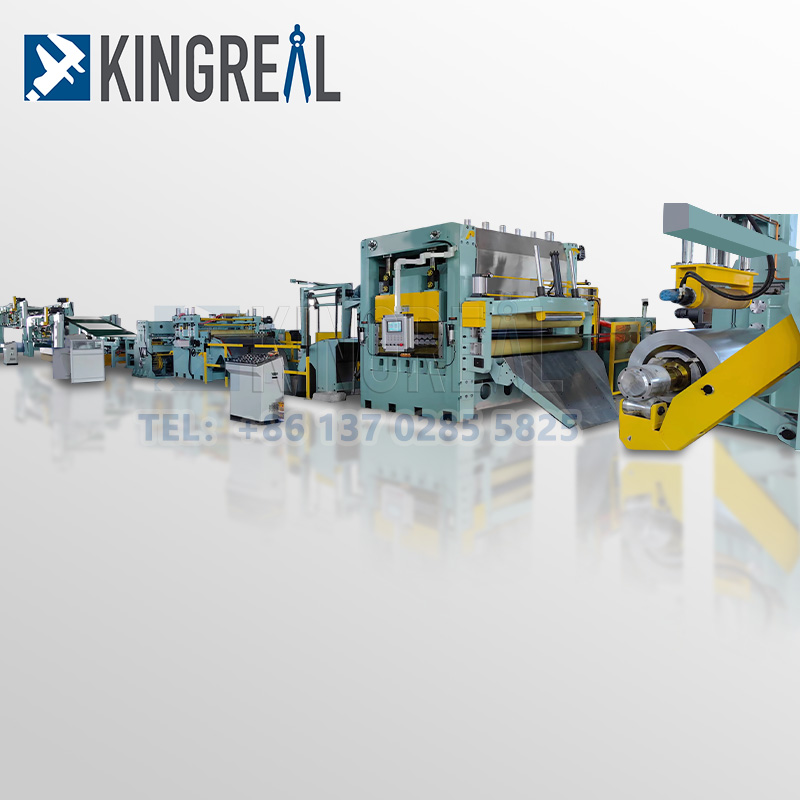
The stainless steel cut to length machine comprises core components such as a decoiler, leveler, feeder, cut-to-length machine, and stacker. These units operate in precise coordination to achieve a one-stop transformation from raw material coils to finished sheets, all through a fully automated process.
1. Uncoiling and Loading:
Operators securely mount the stainless steel coil onto the decoiler mandrel. The equipment's intelligent control system regulates the rotation speed, allowing the metal strip to be released slowly and steadily before being fed into the subsequent processing stages at a constant speed.
This stage accommodates coils of varying weights and widths, ensuring stable loading without deviation, thereby guaranteeing processing precision right from the source.
2. Precision Leveling:
Upon entering the leveler, the metal strip undergoes repeated pressure and corrective stretching via multiple sets of high-precision rollers. This process thoroughly eliminates coil set and transverse curvature, releases internal stresses, and restores the stainless steel sheet to a flat, stable state.
This ensures the finished sheet meets flatness standards and prevents deformation issues during subsequent processing.
3. Precision Measurement and Automatic Feeding:
The stainless steel cut to length line is equipped with advanced encoders and laser measurement systems, enabling millimeter-level precision in measurement and positioning. Sheet dimensions can be preset based on production requirements, with real-time monitoring and calibration of strip length and width performed automatically.
A servo feeding system ensures uniform feed rates, keeping errors under strict control throughout the process.
4. Precision Shearing:
The shearing stage of the stainless steel cut to length machine is customized to the client's material thickness, specifications, and production needs, utilizing various cutting methods such as flying shears, swing shears, stop shears, or rotary shears.
5. Automated Stacking and Unloading:
After precision shearing, the qualified stainless steel sheets are neatly stacked and palletized by an automatic stacker. The entire unloading and stacking process is automated, ensuring sheets are arranged tidily without dents or scratches, thereby facilitating the storage, transport, and warehousing of the finished product.
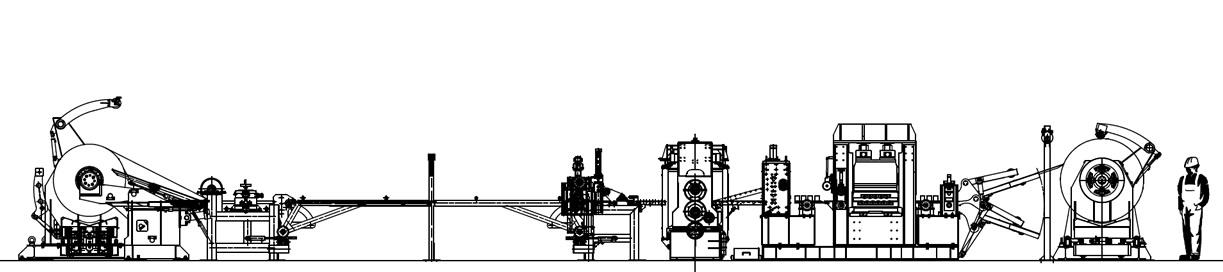
Why Choose a Stainless Steel Cut to Length Line for Industrial Processing?
1) Reduced Material Waste
The stainless steel cut to length line supports on-demand, cut-to-size processing, allowing stainless steel sheets to be cut precisely to project specifications.
This eliminates material loss caused by dimensional redundancy or cutting errors common in traditional, less precise processing methods, maximizing raw material utilization and effectively lowering production costs.
2) Guaranteed Superior Flatness
The specialized precision leveling process thoroughly eliminates internal stresses in the stainless steel, overcoming the material's inherent tendency to deform during processing.
It effectively prevents issues such as warping, deformation, or cracking during secondary operations—including laser cutting, welding, stamping, and bending—thereby ensuring the smooth progression of subsequent manufacturing steps.
3) Strict Tolerance Control Capabilities
Equipped with an intelligent CNC system, the equipment delivers machining precision far superior to manual operation. Standard machining tolerances are consistently maintained within ±0.015 inches, resulting in smooth, burr-free edges and uniform dimensions.
With an exceptionally high product pass rate, the system fully meets the precision machining standards required by high-end industries.
Industrial Applications of Stainless Steel Cut to Length Machine
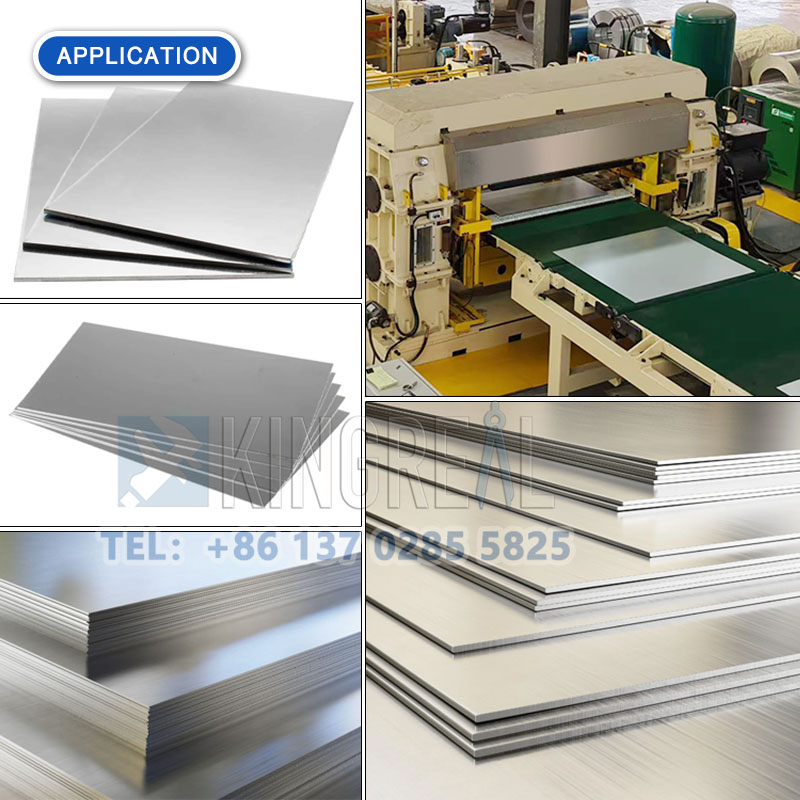
Stainless steel cut to length machines cater to diverse industries and processing scenarios, finding wide application in sectors such as automotive manufacturing, construction, electrical equipment, home appliance production, and heavy engineering.
|
Automotive Manufacturing: These stainless steel cut to length lines are used for the high-precision processing of body panels, chassis protection components, and structural stainless steel parts. Their precise dimensions and flat surfaces ensure assembly accuracy and long service life for automotive components.
Construction Industry: Stainless steel cut to length machines facilitate the mass production of stainless steel roofing panels, exterior cladding, and decorative or load-bearing structural components. The resulting panels feature excellent flatness and standardized dimensions, meeting the requirements for building facades, roofing, and steel structure installations.
Electrical Industry: Manufacturers rely on these stainless steel cut to length lines to process equipment panels, cabinet housings, and protective plates. The high precision and smooth finish of the products meet the strict safety assembly and aesthetic quality standards required for electrical equipment.
Home Appliance Manufacturing: These stainless steel cut to length machines produce stainless steel casings and internal component panels for appliances such as refrigerators, washing machines, ovens, and air conditioners. The scratch-free and deformation-free processing aligns with the high aesthetic and quality standards demanded by the appliance industry.
Heavy Engineering: Capable of processing large, high-strength stainless steel plates, these stainless steel cut to length lines meet the structural component needs of industrial equipment, infrastructure, and heavy machinery. They combine large-format processing capabilities with high precision, making them suitable for the rigorous demands of heavy industrial production. |
 |
For more information on model selection, specifications, customization, and production line solutions for stainless steel cut to length machines, please contact KINGREAL STEEL SLITTER directly!