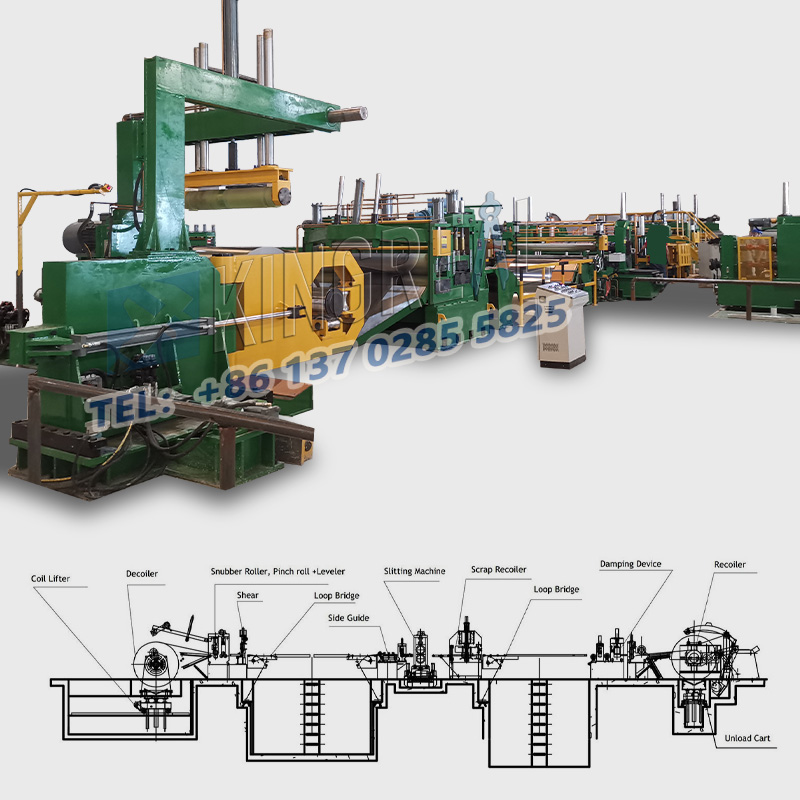
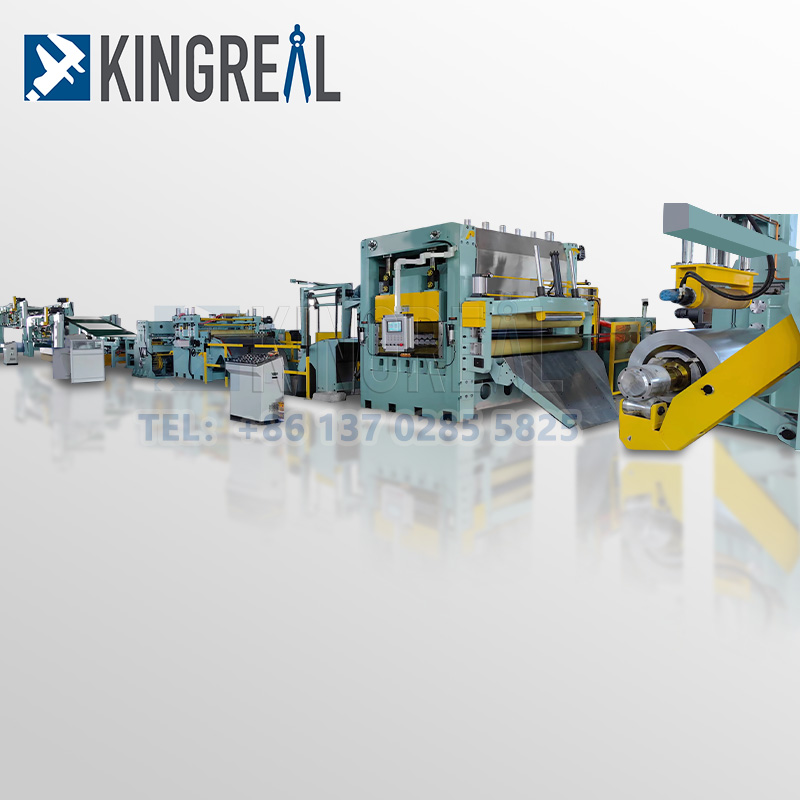
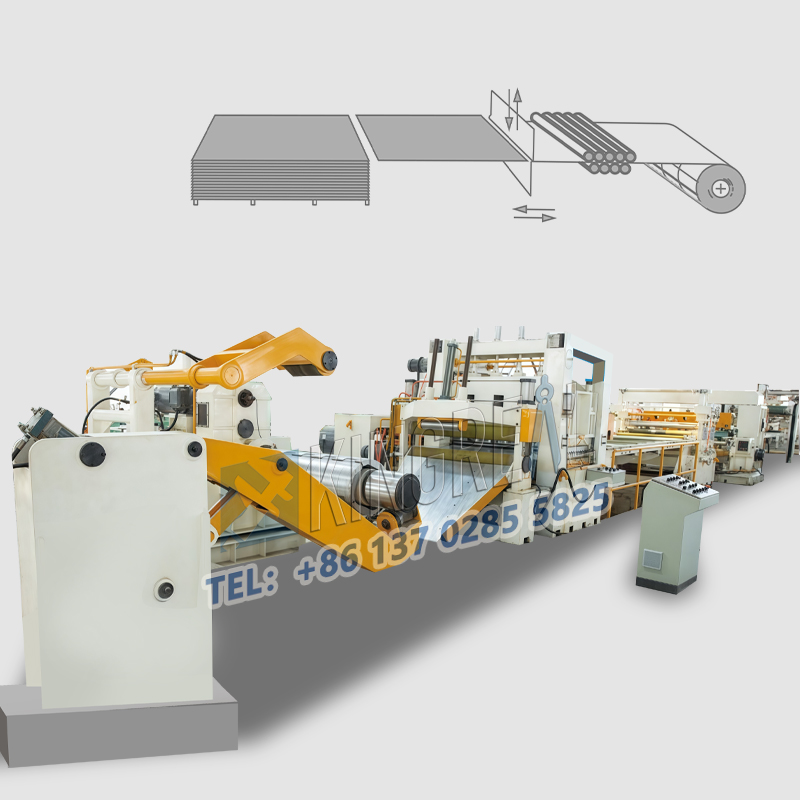
Metal plate leveling machines play a pivotal role throughout the entire process of sheet metal production—from pre-treatment and forming to final finishing—ensuring processing quality, increasing product yield rates, and optimizing production efficiency.
By employing specialized mechanical correction techniques, metal sheet flattening machines thoroughly eliminate internal residual stresses and precisely rectify various flatness defects, restoring the metal sheet to a standard, uniform, and flat state.
Furthermore, metal plate leveling machines offer exceptional versatility; they are not limited by the material type, thickness, or hardness of the sheet, making them suitable for the vast majority of metal processing applications.
Whether handling hard, thick carbon steel and wear-resistant stainless steel, or thin, easily deformed aluminum, copper, and brass alloy components, these metal sheet flattening machines deliver standardized, high-volume leveling results.
Thanks to this adaptability and consistent performance, metal plate leveling machines are widely used across industries such as machinery manufacturing, automotive parts, hardware processing, aerospace components, and structural steel construction.
How Does a Metal Sheet Flattening Machine Work?
|
Metal plate leveling machines achieve flatness through the application of pressure via precision rollers. The core mechanism involves using physical deformation to correct and eliminate internal stresses and shape defects, utilizing a highly efficient and scientifically designed workflow. Internally, the metal sheet flattening machine features multiple sets of high-precision rollers arranged in a symmetrical, staggered pattern—comprising work rolls, backup rolls, and intermediate rolls. The spacing and pressure of these rollers can be precisely adjusted to meet the processing requirements of various sheet specifications.
During operation, the metal sheet is fed at a constant speed into the roller assembly. The upper and lower rollers apply continuous, uniform, and alternating pressure, causing the sheet to undergo repeated, minute elastic and plastic deformations. Under the continuous corrective action of the rollers, accumulated residual stresses within sheets suffering from warping, wrinkling, or surface irregularities are gradually released and dissipated. After multiple cycles of alternating pressure correction, flatness defects are fully rectified, and the overall flatness and uniformity are significantly improved. The result is a standard sheet that is perfectly flat and uniform, with balanced internal stresses—providing an ideal foundation for subsequent processing steps such as shearing, stamping, bending, and welding. |
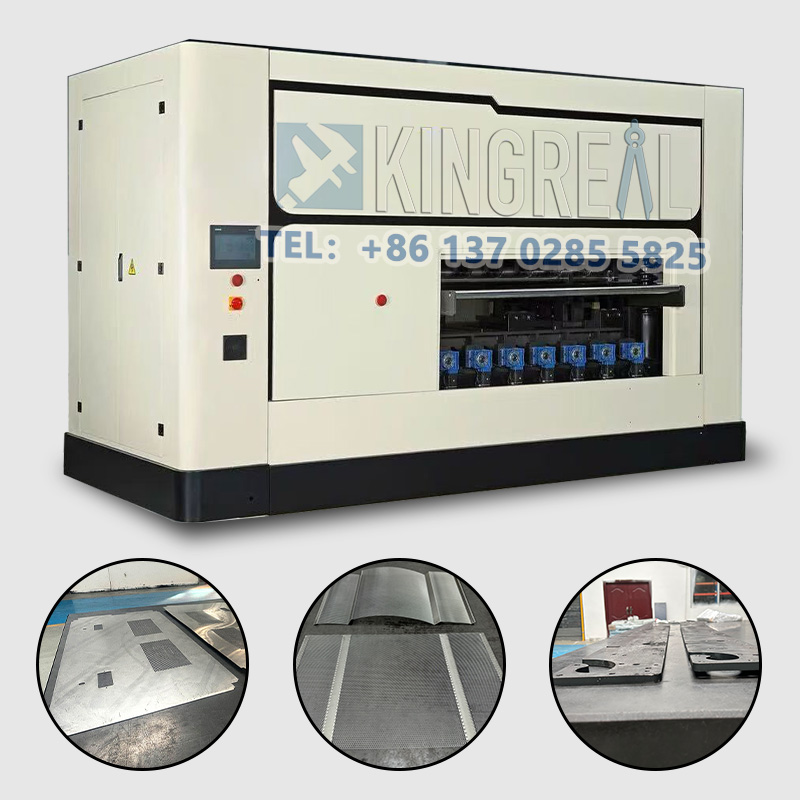 |
Types of Metal Plate Leveling Machines
By Leveling Precision:
1) Four-High Roller Leveling Machine:
Features a four-layer roll structure consisting of work rolls and backup rolls, offering a stable design and high load-bearing capacity. The backup rolls effectively share the load borne by the work rolls, preventing deformation under pressure and ensuring the stability of the leveling operation.
Four-high roller leveling machines deliver robust leveling force and a wide correction range. They are primarily suited for processing medium-to-thick metal plates and meet standard high-precision leveling requirements. Widely used for the batch leveling of plates for steel structures and mechanical components, they offer excellent cost-performance and are ideal for small-to-medium-sized processing plants.
2) Six-High Roller Leveling Machine:
An upgrade to the four-high model, this machine incorporates a dedicated intermediate roll structure to create a six-layer roll layout. The addition of intermediate rolls further optimizes the load distribution across the roll assembly, minimizing deformation errors during operation; this ensures more uniform pressure application and superior correction precision.
Compared to four-high models, six-high roller leveling machines offer significantly enhanced precision leveling capabilities. They are specifically designed for the ultra-high-precision leveling of thin sheets and high-hardness alloy plates.
They effectively address issues such as the tendency of thin sheets to stretch and the difficulty of fully correcting high-hardness plates. These machines are suitable for manufacturing scenarios requiring strict flatness standards, such as high-end precision hardware and precision aerospace components.
By Material Thickness:
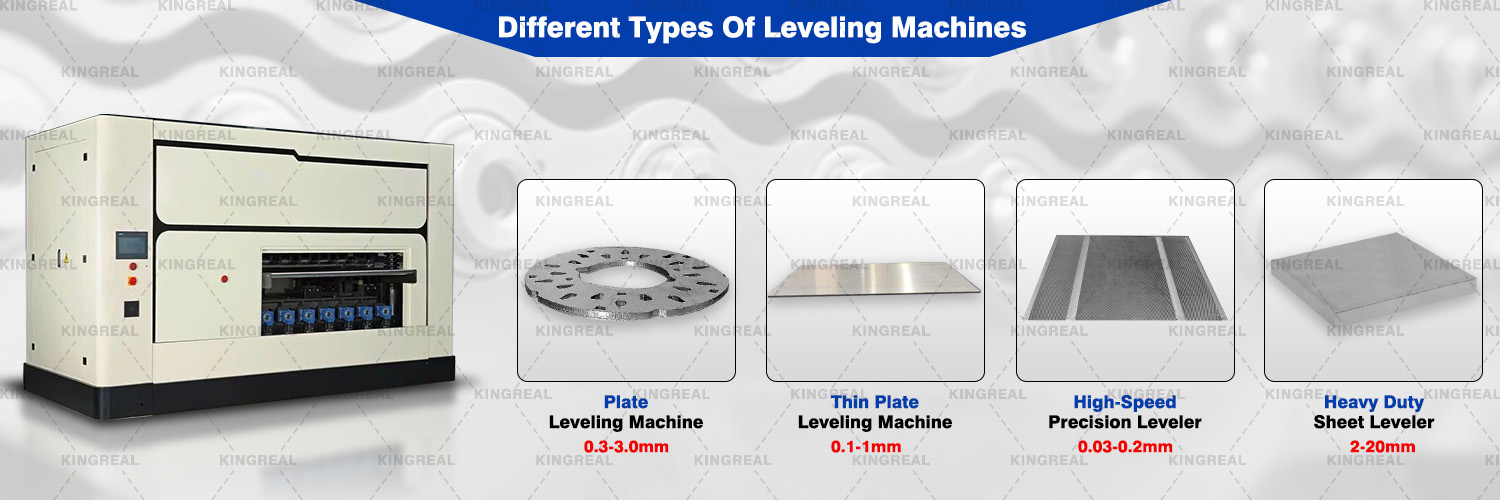
1) Heavy Duty Sheet Leveler:
Specifically engineered for thick metal plates, this machine stably processes various metal plates ranging from 2mm to 20mm in thickness. Featuring a highly rigid frame and high load-bearing capacity, it withstands the intense pressure involved in leveling thick plates. It can correct significant deformation and residual stress in a single pass, offering high processing efficiency and consistent product quality. It is widely used in sectors involving thick material processing, such as construction steel structures and heavy machinery plate fabrication.
2) Thin Plate Leveling Machine:
Designed specifically for processing thin sheet metal, this thin plate leveling machine handles ultra-thin metal sheets ranging from 0.1mm to 1mm. It features high-precision rollers, fine gap adjustment, and gentle, uniform pressure application.
This prevents issues such as stretching deformation or surface bruising during the leveling process, effectively correcting minor waviness and warping. It ensures the flatness and integrity of ultra-thin sheets, making it ideal for applications involving precision electronic components, small stamped hardware parts, and other thin-sheet processing tasks.
Advantages of Using Metal Plate Leveling Machine
1) Comprehensive Versatility
The metal sheet flattening machine handles batch processing for various metal alloys—including carbon steel, stainless steel, aluminum, copper, and brass—and accommodates both thin and medium-thick sheets. A single machine meets diverse factory processing needs, effectively reducing equipment procurement costs and maximizing equipment utilization.
2) Ease of Operation
Modern metal plate leveling machines feature intelligent control systems with simple, intuitive parameter adjustments. Operators do not require extensive technical expertise; they simply adjust roller gaps and pressure settings based on sheet thickness and material to initiate automated leveling. This accommodates operators of varying skill levels, significantly lowering labor training costs and reducing production error rates.
3) Superior Finished Product Quality
Metal sheets processed by the metal plate leveling machine feature smooth, flat surfaces free from scratches or indentation marks. Internal stresses are fully relieved, completely eliminating deformation or cracking issues during subsequent processing or use.
The high-standard leveling quality integrates perfectly with downstream manufacturing processes—such as shearing, stamping, bending, coating, and welding—significantly enhancing finished product precision and yield rates.
 |
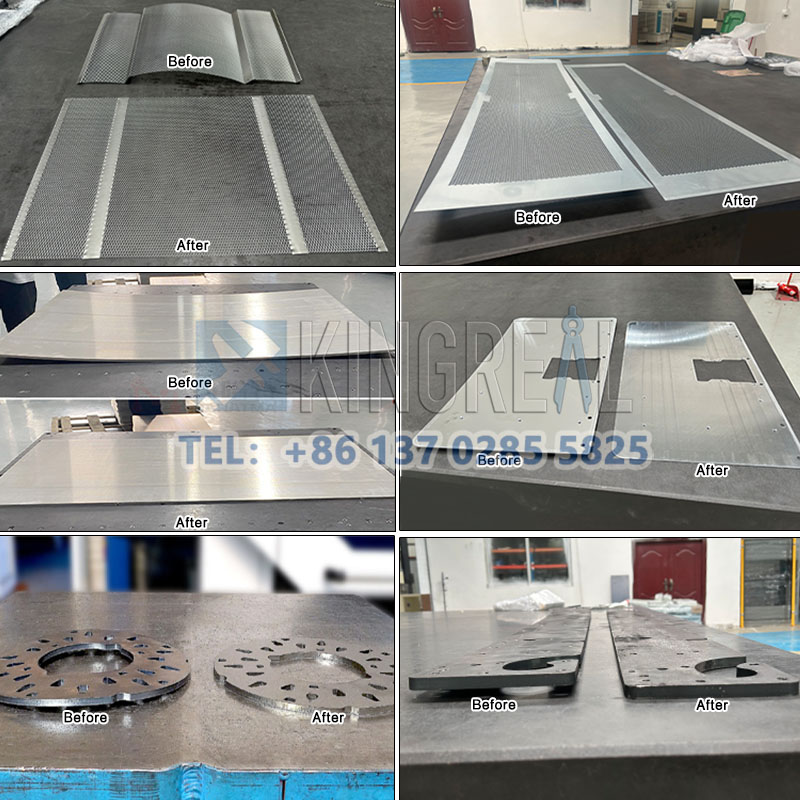 |
The metal sheet flattening machine enables high-precision, standardized, and batch leveling, ensuring metal sheets possess premium characteristics: low internal stress, superior flatness, and high stability.
To learn more about metal plate leveling machine selection, custom specifications, and application suitability, or to obtain a tailored metal sheet leveling solution, please contact KINGREAL STEEL SLITTER directly!