|
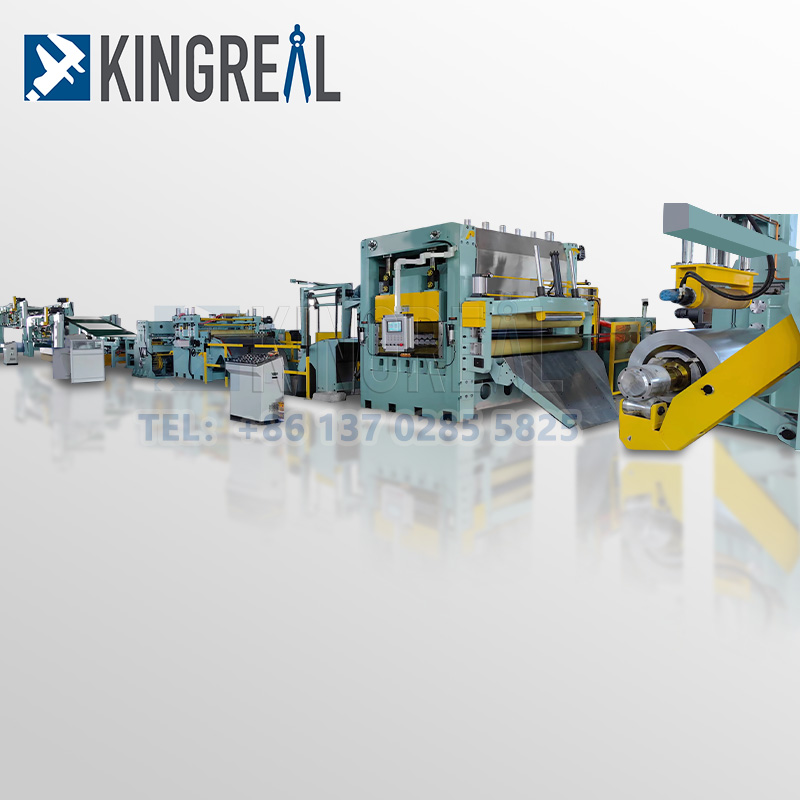
In the modern metal processing industry, the looping cut-to-length line effectively resolves challenges related to speed synchronization, tension control, and material buffering between processing units.
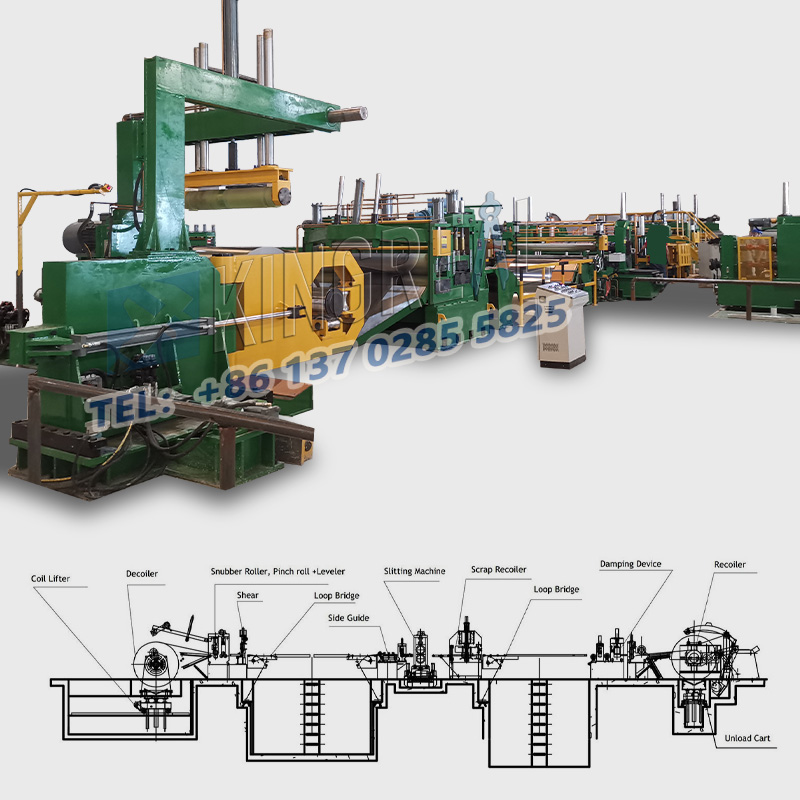
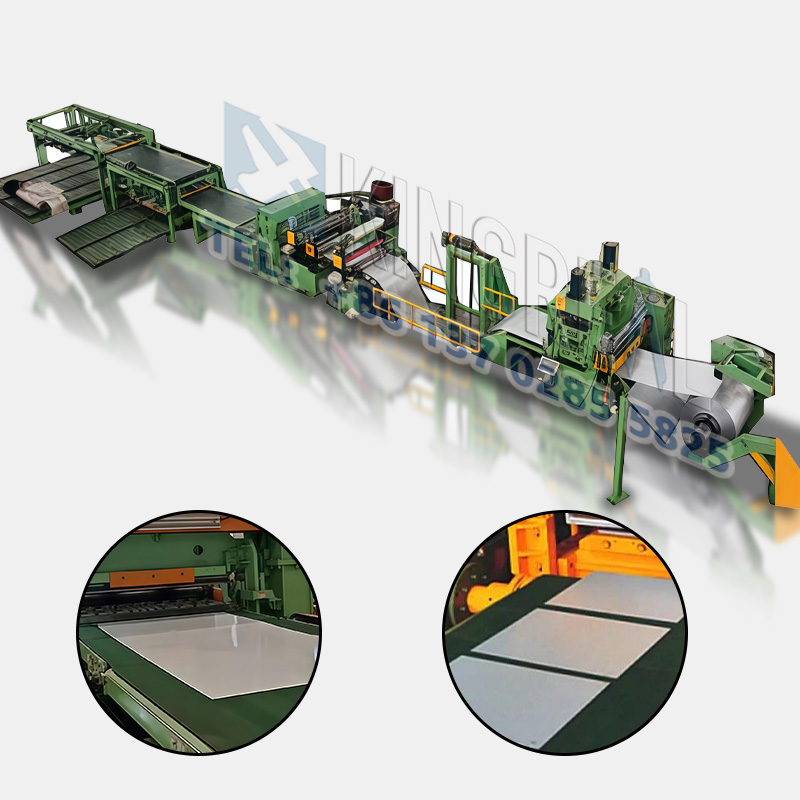
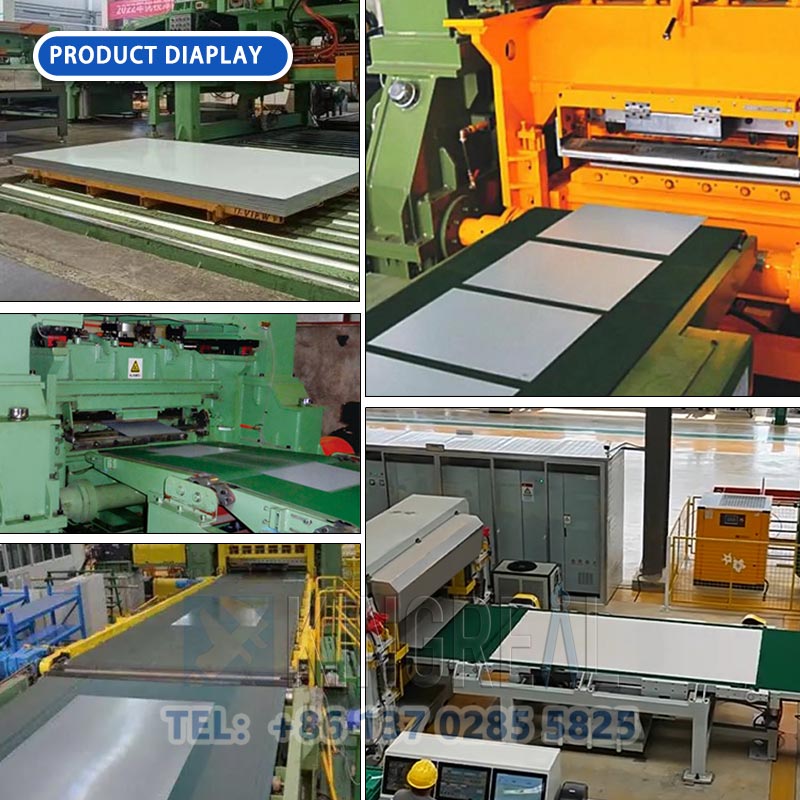
The core configuration of the looping cut to length line features a vertical lifting looper table and an underground looping pit. Rubber-wheeled transition structures are employed at transition points to prevent direct friction between the metal sheet surface and hard components, thereby completely eliminating quality defects such as scratches and indentations. The system is equipped with three pairs of high-precision photoelectric sensors that monitor the sag position and accumulated length of the steel strip within the pit in real-time. Working in conjunction with a dedicated control system, these sensors intelligently adjust the operating speed of the leveler and precisely manage the material inventory in the pit, ensuring a continuous balance between supply and demand and maintaining stable operation throughout the line.
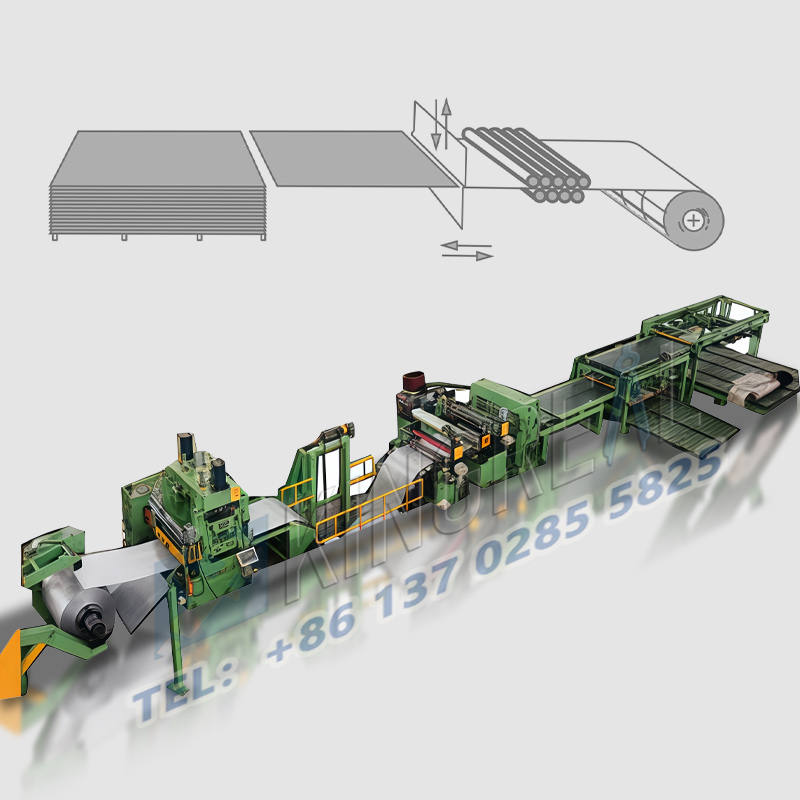
This article provides a detailed introduction to the looping cut-to-length line. |
 |
1. Material Buffering and Accumulation
The looping cut to length line utilizes the storage capacity of the looping pit to resolve operational rhythm mismatches between upstream and downstream units. During the brief pause when the shear is cutting, the upstream uncoiling and leveling units do not need to stop; the continuously fed steel strip naturally sags into the pit, creating a buffer zone. Once the cutting process is complete, the downstream feed rolls activate rapidly, drawing the accumulated material from the pit at a constant speed to quickly restore synchronized operation across the entire line.
2. Stabilizing Strip Tension
In standard metal cut to length lines without a looping mechanism, material tension fluctuates abruptly the moment the line stops for cutting. This often creates pulling forces between upstream and downstream units, leading to quality issues such as tensile deformation, surface wrinkling, strip misalignment, and wavy edges, all of which severely compromise the flatness of the finished product.
In contrast, the looping cut-to-length line utilizes the freely sagging material section within the loop area to completely isolate tension interference between upstream and downstream units, enabling independent control of tension and speed for each section. The upstream uncoiling and leveling units operate under constant, slight tension to ensure the smooth, flat transport of the coil material. Meanwhile, the downstream cut-to-length feeding unit operates with independently regulated speed, unaffected by upstream conditions, preventing any pulling or interference between the two sections. This stable tension control system ensures that the sheets produced by the looping cut to length line have a flat, uniform surface, fundamentally eliminating deformation defects and guaranteeing that the finished product meets standards for both appearance and mechanical properties.
3. Significant Increase in Production Efficiency
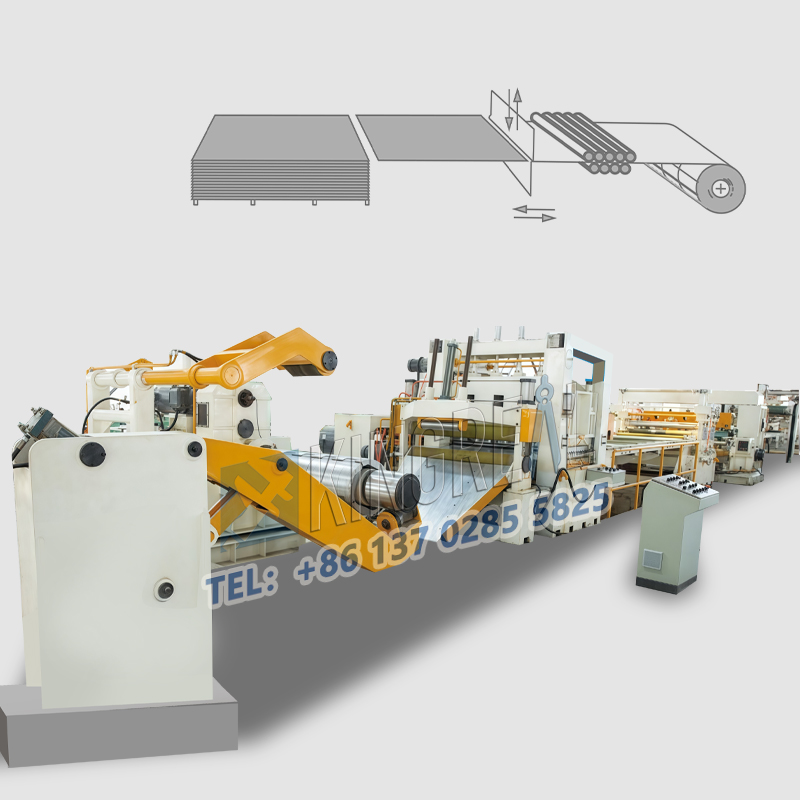
The looping cut-to-length line supports high-speed, continuous uncoiling and leveling in the upstream section, while the downstream cut-to-length unit starts and stops intermittently as needed, drastically reducing unproductive idle time.
The speed advantages of the looping cut to length line are particularly pronounced in applications involving thick plates, wide coils, and high-volume production lines. It maximizes operating speed without compromising processing quality, significantly boosting output per unit of time. This effectively lowers energy consumption and labor costs per sheet, making it ideal for industrial-scale batch production.
 |
 |
4. Precise Cut-to-Length Accuracy
Equipped with photoelectric sensors, the looping cut-to-length line monitors the material level of the steel strip in the looping pit in real-time, creating an intelligent closed-loop control system. If the material level in the pit becomes too high, the system automatically slows down the upstream leveling and feeding units to prevent material accumulation; conversely, if the level drops too low, it automatically increases speed to replenish the supply, ensuring sufficient material reserves.
This stable material supply provides a solid foundation for the precision operation of the downstream cut-to-length servo system. It completely resolves issues common to traditional equipment—such as inconsistent feeding leading to uneven sheet lengths or tolerance deviations—thereby significantly improving the pass rate for cut-to-length accuracy and overall material yield.
5. Reduced Waste and Wear
The looping cut to length line avoids the shock loads associated with frequent machine starts and stops. This effectively protects core drive components—such as gear reducers, couplings, and decoiler expansion mandrels—reducing the frequency of equipment failures and maintenance costs while extending the equipment's service life.
Furthermore, the looping cut-to-length line completely eliminates issues such as material stretching, surface scratching, and hard creasing caused by sudden tension fluctuations. This is particularly beneficial during the high-speed processing of thick plates and high-strength steel, where it effectively reduces roll wear and material scrap caused by excessive pulling forces, thereby minimizing material loss and enhancing economic efficiency.
6. Adaptability to Complex Processing Conditions
While simple, short processing lines for thin sheets may not require a looping structure—since thin sheets possess low rigidity and can easily accommodate minor stretching for buffering—the looping cut to length line offers a distinct advantage in complex scenarios involving thick plates, wide coils, and high-strength steel. Thick steel plates are highly rigid and resistant to deformation; they cannot compensate for speed differentials through inherent material stretching. Instead, they rely on the physical material-buffering capability of the looping cut-to-length line’s loop pit to provide the necessary travel allowance and meet the specific operational demands of thick-plate shearing. Thanks to its exceptional adaptability, the looping cut to length line is widely used across various mid-to-high-end metal processing sectors, including steel structures, home appliance components, automotive sheet metal, and precision hardware.
If you would like to learn more about the specifications, customized solutions, or equipment details for the looping cut-to-length line, please feel free to contact KINGREAL STEEL SLITTER at any time!